



Why Are Influencers at Cannes? The Hidden Business Model Behind the Red Carpet Takeover

Every May, a familiar wave of cynicism floods social media. As photos drop from the French Riviera, film enthusiasts and internet commentators ask the exact same question raised by creator Imaan in her recent viral reel: “Why are Instagram influencers walking the red carpet at the Cannes Film Festival?”
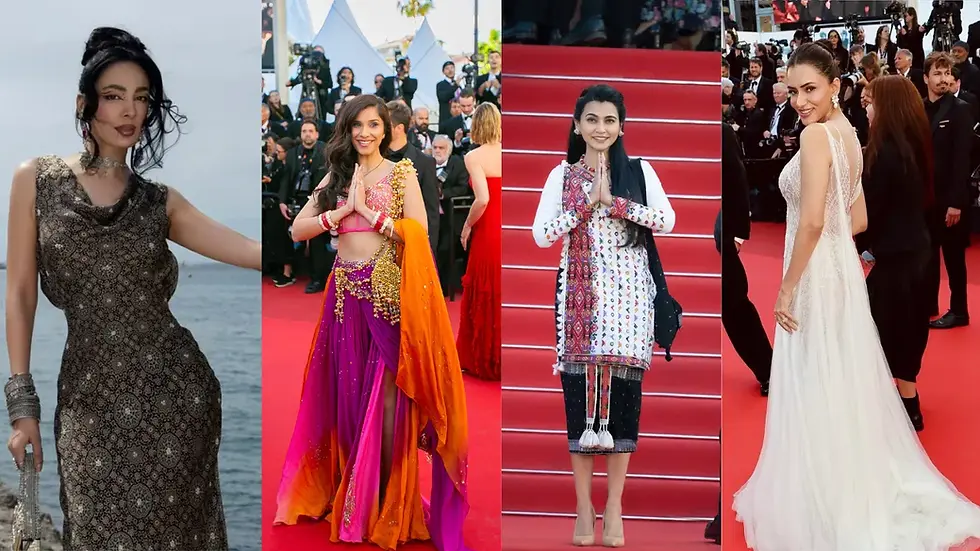
To the casual observer, it feels like a glitch in the matrix. Why are internet creators who gained fame making funny Reels, beauty tutorials, or lifestyle vlogs sharing the same steps as Oscar-winning directors and cinematic icons?
The answer has very little to do with movies—and everything to do with a massive, multi-million-dollar shift in global marketing.
The Real Reason: The Red Carpet Is a Billboard
The biggest misconception about the Cannes Film Festival is that every person walking the famous red carpet is there because they starred in, directed, or produced a movie in the official selection. In reality, the red carpet functions as a highly competitive, global advertising billboard. The festival is heavily funded by Official Corporate Partners—such as cosmetics giant L'Oréal Paris, luxury watchmaker Chopard, and major media platforms like Brut.
When these multi-billion-dollar corporations sign sponsorship contracts worth millions, they are allocated a specific quota of invitation tickets to the red carpet screenings. The brands can hand these tickets to whomever they choose.
Traditional Celebrities: Brands send global ambassadors (like Alia Bhatt for L'Oréal) to maintain prestige and elite glamour.
Content Creators: Brands increasingly give these tickets to digital influencers (like Nancy Tyagi, Kusha Kapila, or international vloggers) because they offer something traditional actors cannot: a direct, highly engaged line to Gen Z and millennial consumers.
Why Brands Prefer "Cannes-fluencers" Over
Traditional Actors
For a legacy brand or a media partner like Brut India, flying a squad of content creators to the South of France makes flawless business sense.
1. Massive Return on Investment (ROI)
An A-list movie star might walk the red carpet, pose for the official photographers, and post a single, heavily curated photo on their feed.
An influencer, however, will document every single second of the journey. They create "Get Ready With Me" (GRWM) videos, behind-the-scenes vlogs, airport look breakdowns, and interactive Q&As. This results in a tidal wave of continuous organic engagement, tagging the sponsor every step of the way.
2. High Virality and Relatability
According to media data from past festivals, coverage featuring internet creators often drives hundreds of millions of views, dominating online market shares. For digital-first brands, an influencer wearing their makeup or jewelry on a global stage creates instant, shoppable trend cycles that translate directly into product sales.
The "Fish Market" Backlash vs. The Evolving Creator Economy
The influx of internet personalities has undeniably drawn criticism from cinephiles who argue that it turns a historic celebration of cinema into a "fish market" or a glorified fashion week. Critics mourn the loss of pure cinematic focus, noting that indie filmmakers with limited budgets are often overshadowed by the digital noise.
However, the creative landscape has fundamentally shifted. The lines between traditional media and digital entertainment have blurred permanently. Cannes is no longer just a film market; it has evolved into a pop-culture capital where cinema, high fashion, and the creator economy collide.
Quick Facts: The Economics of Cannes
Attendees
Event Type: Invitation-Only International Film Festival
Ticket Sourcing for Influencers: Provided through corporate brand sponsorships, fashion houses, or official media partnerships (e.g., Brut).
Target Demographic: Gen Z and Millennial audiences under the age of 34.
Primary Brand Sectors: Luxury Cosmetics, Haute Joaillerie, Automotive, and Digital Media.
Core Marketing Goal: Maximizing digital impressions and earned media value (EMV) during a peak global media window.
Frequently Asked Questions
Can anyone buy a ticket to walk the Cannes red carpet?
No, the Cannes Film Festival is an exclusive, invitation-only event. Attendees must be accredited film professionals, journalists, or guests invited directly by the festival's official corporate sponsors and partners.
Do influencers actually watch the movies at Cannes?
Yes. The invitation tickets given to influencers by brands are tied to specific film premieres inside the Palais des Festivals. To walk the carpet, attendees must possess a ticket to that specific screening and are expected to sit through the film.
Is it wrong for influencers to be there?
It depends on who you ask. Cinephiles feel it dilutes the prestige of independent cinema. However, from a business perspective, the revenue generated by massive corporate sponsors helps keep the festival funded and operating at a world-class level year after year.


Comments