



Building India’s Creative Spine: Inside the ‘Cultural Continuum 2026’ Conclave at Essar House

For far too long, cultural conversations in our policy corridors have been treated as aesthetic afterthoughts. They have often functioned as polite footnotes appended to hard infrastructure like expressways, data networks, and industrial corridors. On Saturday, October 10, 2026, at Essar House in Mumbai, the Federation of Indian Chambers of Commerce & Industry (FICCI) and Avid Learning firmly dismantled that outdated notion with the seventh Mumbai edition of their landmark symposium: ‘Cultural Continuum: Reimagining Infrastructure for India’s Creative Economy 2026’.

This day-long conference was a masterclass in coalition building, convened in powerful collaboration with a quartet of institutional pillars: Teamwork Arts, Art Links Learning, CRISIL, and The Art Outreach Society. Together, they gathered a formidable array of institution-builders, urban planners, artists, and screen storytellers. The collective consensus was undeniable: if India aims to turn its creative muscle into a sustainable economic powerhouse, culture cannot merely be a decorative ornament. It must be recognized and funded as essential core infrastructure.
Framing Culture as Structural Capital
Opening the conclave with intentional vision, Asad Lalljee, SVP of the Essar Group, CEO of Avid Learning, and Curator of the Royal Opera House, set the stage alongside Mrs. Madhu Ruia, the visionary Founder and Chairperson of Avid Learning. Representing collaborator Teamwork Arts, Managing Director Sanjoy K. Roy passionately articulated the urgency of establishing frameworks that sustain creative practitioners. A pivotal keynote delivered by Dr. Kiran Kulkarni (IAS), Secretary of the Department of Cultural Affairs for the Government of Maharashtra, highlighted the state’s evolving role in enabling these vital creative ecosystems.
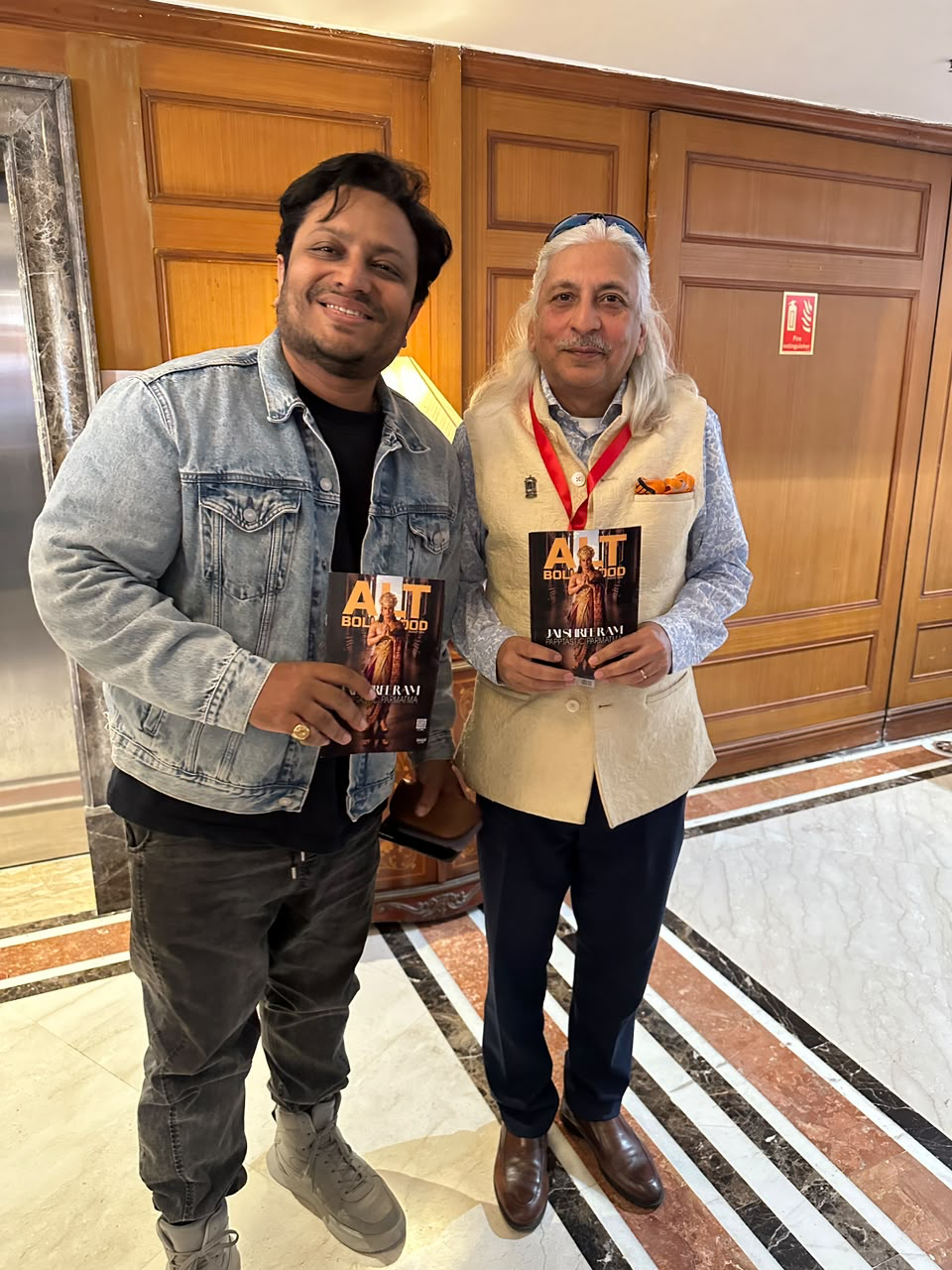
Across four focused and fiery sessions, the discussions charted a comprehensive map of what tangible cultural architecture looks like on the ground.
Heritage, Urban Planning, and Performing Spaces
The morning opened with “The Impact of Culture on Cities: Heritage, Planning, and Urban Development,” expertly moderated by Asad Lalljee. This panel brought together heavyweights in urban conservation and heritage revival. Vikas Dilawari, a practicing conservation architect with three decades of experience and 15 UNESCO ASIA PACIFIC Awards to his name, offered unparalleled insights into preserving urban landmarks. Katyayani Agarwal, Convenor for the INTACH Greater Mumbai Chapter, shared her inspiring work in reviving India's living traditions, including a 700-year-old handmade paper tradition in Kagazipura. They were joined by Bharat Gothoskar, the mechanical engineer turned heritage evangelist who founded Khaki Tours, and Arti Kirloskar, Convenor for Arts and Culture at the Pune International Centre and a dedicated advocate for environmental conservation. Shristi Sainani, the Curatorial Director for Ahmedabad Cultural Week, rounded out the group by exploring how contemporary art and exhibition-making fit into modern master plans.
The conversation then shifted fluidly to the living arts in “Taking the Stage: The Changing World of Performing Arts,” moderated by Sadhana Rao, a research-led writer representing collaborator Art Links Learning as its Co-Founder. This powerhouse panel addressed the nuts and bolts of live performance. Sheetal Birla, General Manager for India at Fever, brought her global tech perspective to live entertainment. Sushil Chhugani, Executive Director of the India Music Exchange and Co-Founder of India International Music Week, dissected the independent music segment. Deepak Choudhary, a pioneering force who founded EMDI and Eva Live, discussed event infrastructure, while Jeff Goldberg, an award-winning director who runs India's leading Method Acting Institute, spoke on theatrical realities. Vocalist and author Vidya Shah lent her perspective as an artist merging music with women's histories, emphasizing the need for stable revenue models and rehearsal access.
Institution-Builders and the Screen Economy
In “Who Builds Culture: Founders, Curators and Institution-Makers,” Sanjoy K. Roy returned to lead a deep dive into the grit required to build creative hubs from scratch. Ishan Benegal, Artistic Director at the G5A Foundation for Contemporary Culture, shared his strategy for driving curatorial practice. Prof. B. K. Chakravarthy, the distinguished founding dean of Mahindra University who previously established the Shenoy Innovation Studio at IIT Bombay, spoke on cultivating design thinking. Representing collaborator CRISIL, Suraj Iyengar detailed his experience advising cities across Asia on arts as an urbanization strategy. Dr. Priyanka Pathak, Curating Director at the INT Aditya Birla Performing Arts Academy, discussed performance practices in urban contexts, while Mrs. Madhu Ruia reflected on her pioneering vision in fostering cross-cultural dialogue through Avid Learning. For those of us tracking filmed entertainment at AltBollywood, the final session, “Beyond the Big Screen: Cinema, Streaming & Digital Futures,” struck right at the heart of our shifting industry. Moderated by Dr. Tanaya Abraham, founder of collaborator The Art Outreach Society and accomplished author, the panel was a masterclass in screen economics. Shashi Bala, Chief Business Development at BMC and the driving force behind Mumbai's designation as a UNESCO Creative City of Film, discussed civic-tech incubation and municipal reforms. Chaitanya Chinchlikar, Vice President and CTO at Whistling Woods International and a jury member for the Oscars, broke down emerging media and workflow development. Nirupama Kotru, a senior civil servant who previously managed the NFDC and Films Division, brought her vast policy experience to the table. Sahira Nair, Head of Hindi Scripted Series at Prime Video, shared her incredible journey of developing global hits like Mirzapur, The Family Man, and Panchayat, while veteran leader Kaushik Roy, who spearheaded the launch of Reliance Mobile and Jio, discussed the powerful intersection of brand strategy and storytelling.

The Takeaway
What set ‘Cultural Continuum 2026’ apart from routine industry talk-shops was its absolute refusal to romanticize the creative struggle. By bringing city administrators, institutional financiers, tech leaders, and bold storytellers to the same table, Avid Learning, FICCI, and their key collaborators underscored a vital point: creative talent can only thrive when the underlying platforms, policies, spaces, and capital mechanisms are deliberately built to support it.
For Indian cinema, performing arts, and urban spaces, that is precisely the blueprint required to build a sustainable, fiercely vibrant creative century.


Comments