



The Psychology Of 330 Million Gods: Finding Your Ishta Devata In Sanatana Dharma

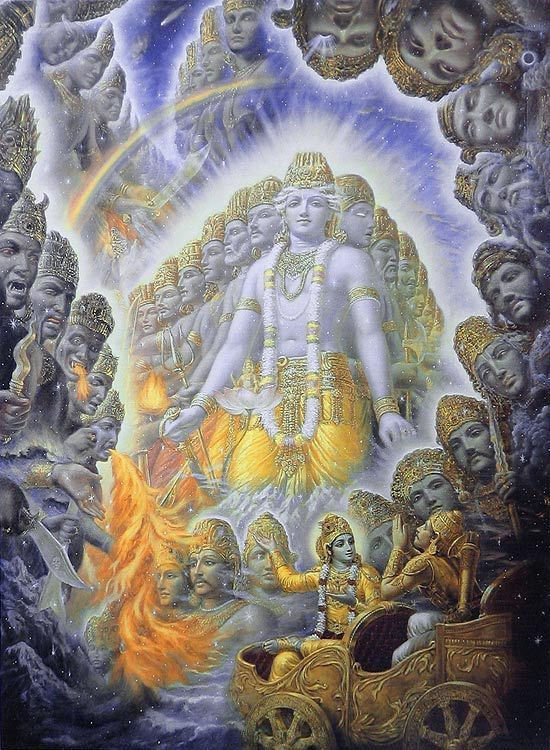
Growing up in a Hindu household, or even just observing the traditions of Sanatana Dharma from the outside, the visual landscape of the faith can initially feel incredibly overwhelming. There are elephant-headed gods, multi-armed warrior goddesses riding tigers, blue-skinned cowherds playing the flute, and ash-smeared ascetics meditating on freezing mountain peaks.
For centuries, colonial historians and foreign observers looked at this vast, colorful pantheon and mislabeled it as chaotic polytheism. They assumed that Hindus worshipped a fragmented universe controlled by competing supernatural managers. Even today, many young Indians struggle to reconcile the sheer volume of deities with the modern desire for streamlined, minimalist spirituality.
However, only when you look past the surface rituals do you begin to see the breathtaking beauty, meaning, and purpose of this divine diversity.
The most important question a seeker can ask in Sanatana Dharma is not, "Why are there so many gods?" That question misses the fundamental architecture of the philosophy. The correct approach is to look at the vast array of divine forms and meditate on which specific form calls out to you personally. This is the concept of the *Ishta Devata* (the cherished or personal divinity). It is a highly advanced psychological and spiritual technology designed to guide the human soul out of the illusion of the material world and directly into Moksha (ultimate liberation).
The Illusion Of Polytheism And The Reality Of Brahman
To understand the concept of the Ishta Devata, we must first clear up the greatest misconception about Sanatana Dharma. The core philosophy of the religion, particularly articulated in Advaita Vedanta, does not state that there are millions of independent, separate gods.
Instead, the Vedas declare that there is only one ultimate, infinite, and formless reality. This supreme consciousness is known as Brahman. Brahman has no gender, no physical body, no beginning, and no end. It is the invisible energy that powers the entire cosmos.
But there is a massive problem with Brahman for the average human being. The human brain is physically incapable of conceptualizing the infinite. You cannot easily pray to a formless void. You cannot emotionally connect with an abstract concept of quantum consciousness when you are suffering through a devastating personal tragedy or seeking guidance in your daily life. The human heart requires a face, a story, and a personality to anchor its devotion.
This is where the brilliant psychology of Sanatana Dharma steps in.
Instead of forcing everyone to worship a formless void, the ancient Rishis understood that the infinite Brahman can manifest in countless finite forms. Think of Brahman as pure, white light, and the different deities as a prism. When the white light hits the prism, it shatters into a beautiful spectrum of colors. Every color is entirely different, but they all originate from the exact same light source. The different deities are simply different frequencies of the exact same ultimate reality, customized to match the psychological wiring of the devotee.
The Ishta Devata: A Psychological Mirror
No two human beings have the exact same emotional temperament. Some people are naturally intellectual and disciplined. Others are wildly romantic and emotional. Some are driven by a fierce sense of justice, while others seek maternal comfort and safety.
If a religion offers only one strict, unbending image of God, it will inevitably alienate millions of people whose personalities do not align with that specific image. Sanatana Dharma solves this by offering the *Ishta Devata*. You are actively encouraged to browse the divine pantheon and select the specific manifestation of God that perfectly mirrors your own internal psychology.
You do not have to worship every single deity with equal intensity. You find the one that makes your heart stop. You find the one that naturally commands your attention without any forced effort. The deity you choose acts as a psychological mirror, reflecting the highest, most purified version of your own soul.
The Melodious Flute Of Krishna
For those who are driven by love, art, and romantic devotion, the fierce asceticism of a meditating god might feel too cold or distant. Their Ishta Devata is often Lord Krishna.
Krishna is not worshipped through fear. He is worshipped through irresistible attraction. The most potent symbol of Krishna is his Bansuri (the bamboo flute). The flute is hollow, representing a human ego that has been completely emptied of pride and selfishness. When the ego is hollowed out, the breath of the divine can flow through it, creating beautiful music. For a devotee of Krishna, the path to Moksha is not about strict, painful penance. It is about falling so deeply in love with the divine that the boundaries between the lover and the beloved completely dissolve. The melodious flute is the call of the infinite, pulling the soul away from the distractions of the material world.
The Damru Of Shiva
On the completely opposite end of the psychological spectrum are the seekers who are disillusioned by worldly attachments. They see through the temporary nature of wealth, relationships, and societal status. For these fierce, uncompromising minds, Lord Krishna’s playful romance might feel insufficient. Their Ishta Devata is Lord Shiva.
Shiva is the ultimate ascetic. He sits in the freezing Himalayas, smeared with the ashes of the cremation ground, reminding his devotees that everything in the physical world will eventually burn. His primary symbol is the Damru (the two-headed drum). The rhythmic beating of the Damru represents the relentless heartbeat of the cosmos, the unstoppable rhythm of creation and destruction. For a devotee of Shiva, Moksha is achieved through radical detachment. They meditate on the Damru to realize that all human anxieties are just temporary beats in a cosmic song, allowing them to destroy their own ignorance.
The Fierce Lullaby Of Devi Ma
Many human beings carry deep emotional wounds, seeking a sense of absolute protection that they never received in the physical world. For them, approaching God as a distant father figure or a detached ascetic does not work. They require the ferocious, unconditional love of a mother. Their Ishta Devata is Devi Ma (the Divine Mother in forms like Durga or Kali).
The worship of the Goddess is unique because it combines extreme violence with extreme tenderness. Devi Ma rides a tiger and carries weapons to slaughter the demons of arrogance and greed, yet she looks at her devotees with the gentle eyes of a mother singing a lullaby. For her devotees, the path to Moksha is achieved through absolute surrender. They drop all their adult defenses, reverting to the psychological state of a trusting child. They know that no matter how terrifying the material world becomes, the Mother will protect them and ultimately absorb them back into her cosmic womb.
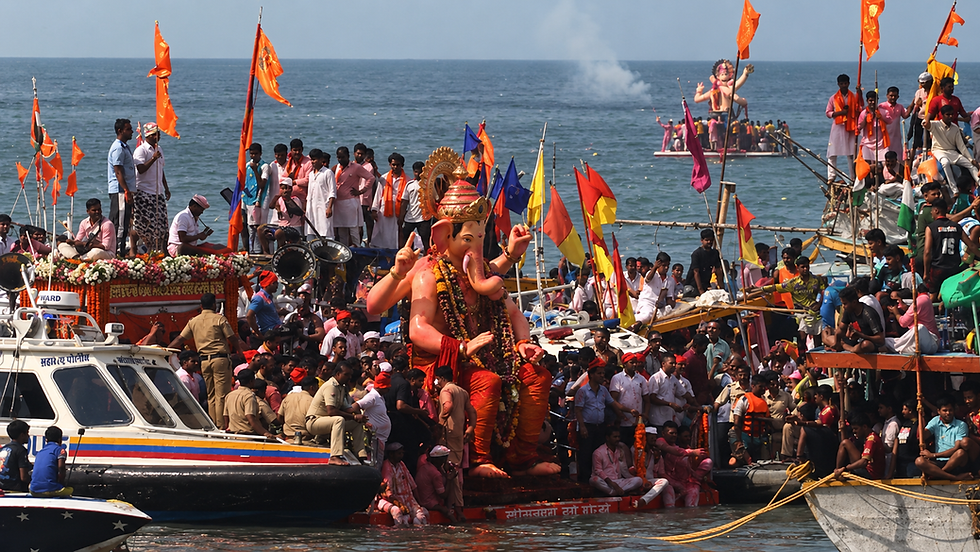
The Playful Dance Of Ganesha
Finally, there are those who view spirituality not as a heavy, tragic burden, but as a joyful journey of overcoming obstacles. Their Ishta Devata is Lord Ganesha.
Ganesha is the lord of thresholds, the deity worshipped before beginning any new venture. He represents supreme intellect combined with joyful groundedness. His playful dance is a theological reminder that the pursuit of Moksha does not have to be miserable. You can enjoy the sweetness of the world (represented by the Modak sweet in his hand) while still maintaining the wisdom to cut through worldly illusions (represented by the axe in his other hand). Meditating on Ganesha clears the fog of overthinking, allowing the devotee to move through life with heavy, unshakeable confidence.
Becoming What You Seek: The Mechanics Of Moksha
The true genius of the Ishta Devata concept is what happens after you choose your personal deity. The goal of Hindu worship is not simply to ask a powerful sky-god for worldly favors. That is a very elementary level of religion.
The ultimate goal of Sanatana Dharma is union.
When you sit in front of the idol of your Ishta Devata, you are initially looking at something outside of yourself. You offer flowers, chant mantras, and focus all your mental energy on the specific attributes of that form. But over years of intense meditation, a profound psychological shift occurs. The barrier between the worshipper and the worshipped begins to crack.
You do not just pray to the deity; you begin to absorb their attributes. By meditating constantly on the fearlessness of Durga, you become fearless. By meditating on the detachment of Shiva, you become detached. By meditating on the love of Krishna, you become an embodiment of love.
The instruction is clear: Meditate on the form. And become the Deity you seek.
This transformation is the actual mechanics of Moksha. Moksha is not a geographical heaven that you travel to after you die. Moksha is a shift in consciousness. It is the realization that you are not your fragile, temporary physical body. You are a drop of the exact same infinite ocean of Brahman that your Ishta Devata represents. When a devotee completely merges their consciousness with their Ishta Devata, the illusion of separation is destroyed. The cycle of life and death, driven by earthly desires and fears, finally stops spinning.
The diversity of Sanatana Dharma is not a chaotic mess of competing gods. It is the most sophisticated spiritual framework ever created. It recognizes that there are billions of different locks in the world, and therefore, there must be billions of different keys. Whether it is a flute, a drum, a weapon, or a dance, the divine form that captures your heart is the exact key designed to unlock your specific soul. Once that door is open, the form dissolves, leaving only the infinite truth behind.
Hari Om Tat Sat.
---
FAQ Section
What is an Ishta Devata?
An Ishta Devata translates to a "cherished" or "personal" deity in Sanatana Dharma. It is the specific manifestation of the divine that a worshipper feels the strongest emotional and spiritual connection to, serving as their personal gateway to understanding the infinite.
Why are there so many gods in Hinduism?
While Sanatana Dharma recognizes a single, formless ultimate reality called Brahman, it offers countless physical manifestations (deities) of this reality. This diversity exists because every human has a unique psychological temperament, requiring a specific form of the divine to connect with effectively.
What does Lord Krishna's flute symbolize?
Lord Krishna's Bansuri (bamboo flute) symbolizes the hollowed-out human ego. When a person empties themselves of selfish pride, the breath of the divine can flow through them to create beautiful music. It also represents the irresistible call of divine love.
What is the meaning of Lord Shiva's Damru?
The Damru is a small, two-headed drum carried by Lord Shiva. Its rhythmic beating symbolizes the cosmic heartbeat of the universe, representing the endless, unstoppable cycle of creation and destruction in the material world.
How does meditating on a deity lead to Moksha?
In Hindu philosophy, the goal of meditating on a specific deity is not just external prayer, but internal transformation. By deeply focusing on the attributes of a deity, the worshipper eventually absorbs those qualities, destroying their earthly ego and achieving Moksha (liberation from the cycle of birth and death).

Comments