



Rao Bahadur on Netflix: A Haunting Exploration of Lineage, Doubt, and the Violence of Inheritance

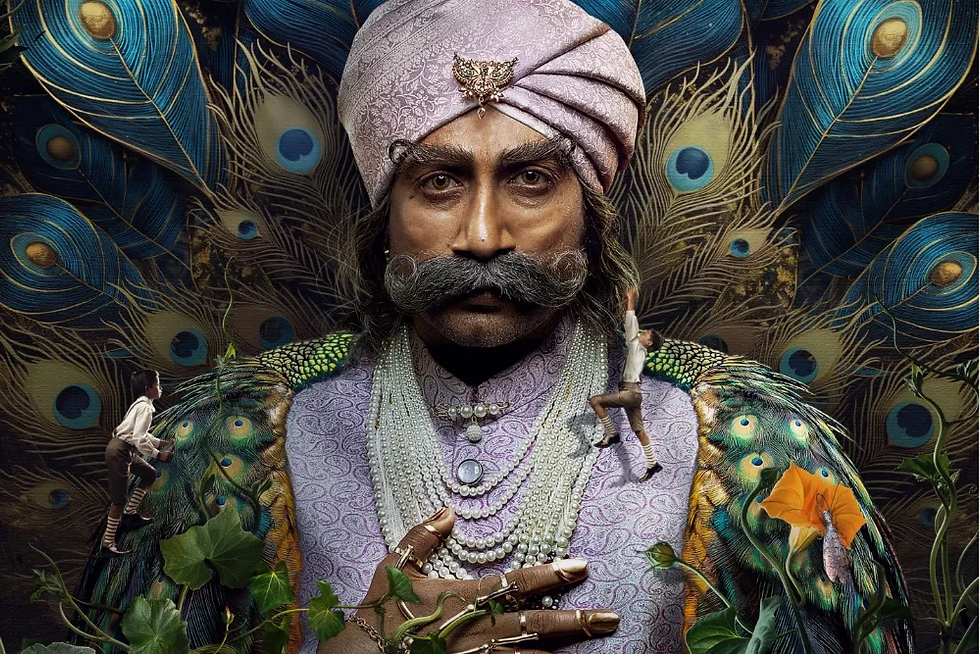
The opening moments of the psychological drama Rao Bahadur, now streaming on Netflix, force the audience to sit with a deeply unsettling image. We are introduced to an alcoholic patriarch with an undiagnosed physical disorder and a royal paunch who has been dying for months—far longer than his body should have permitted.
He is a man who should be dead, yet adamantly refuses to be. As the film brilliantly reveals, he is not fighting to hold onto his life; he is fighting for an answer.
"Doubt is a Demon": The Core Philosophy
If Rao Bahadur has a foundational thesis, it is that "doubt is a demon." The film states this early on and spends its entire runtime meticulously proving it right.
At the center of this surreal narrative is the protagonist, Ramappa Rao Bahadur. On the surface, Ramappa is suffering from liver cancer. However, the film—and even his own doctors—treat this terminal medical fact with a mere shrug. The physical cancer is almost entirely incidental to the story. What is actually killing Ramappa is something far more insidious, working slowly enough that it takes decades and a DNA test to finish the job.
The true disease in Rao Bahadur is the inherited conviction that lineage equals identity.
The True Cost of Bloodlines
The movie takes a sharp, almost theological approach to the concept of inheritance. It does not care about the transfer of physical property, grand mansions, or royal titles. Instead, it reframes inheritance as psychological conditioning.
The narrative is driven by a haunting, decades-old tragedy: a child who drowned in a pond long ago still somehow owes his father a genetic explanation. The film uses this to explore how the specific violence of a family teaches a child what they are allowed to become, long before they ever have a say in the matter.
Key thematic elements the film dissects include:
The Weight of Ancestry: Ramappa was shaped by the psychological apparitions of his own ancestors long before he ever inflicted that same shaping onto his elder son, Lavana.
Inheritance as Violence: The movie posits that passing down a bloodline's expectations is inherently violent, stripping away individual agency in favor of the family's mythological self-image.
Ending Explained: A Cycle That Never Closes
The thematic brilliance of Rao Bahadur culminates in its striking final image. We see roots creeping outward from old family portraits, inching their way toward the new head of the household.
It is a chilling visual confirmation of the film's ultimate message: the cycle of generational trauma and expectation does not close. It simply changes hands. In the world of Rao Bahadur, what is inherited is never truly resolved—it is only relocated to the next in line.
For audiences looking for a narrative that deeply questions the fragile line between identity, guilt, and family legacy, this film offers a masterclass in slow-burning psychological storytelling.


Comments