

Kanye West’s Legal Defense: The Terrifying Implications of Reframing Assault as Art

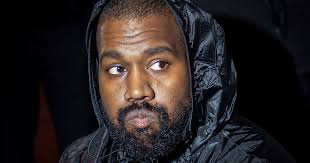
Can the boundaries of performance art protect a creator from allegations of physical violence? The ongoing legal battle between music industry titan Kanye West and video vixen Grace An has forced the legal system to confront a chilling question. The lawsuit stems from an incident during a 2010 music video production, where An alleges she was subjected to non-consensual sexual assault on set.
In a controversial legal move, West’s defense team is actively attempting to dismiss the lawsuit based on constitutional grounds of artistic freedom and free speech protections. The defense argues that the events in question were part of a highly stylized, transgressive creative environment, effectively suggesting that the performance context absolves the artist of civil liability. This unprecedented defense strategy attempts to blur the line between provocative artistic expression and literal assault, setting up a high-stakes legal showdown over whether First Amendment protections can ever extend to alleged acts of sexual violence.
By weaponizing the concept of creative autonomy in a court of law, West’s legal team is attempting to establish a dangerous precedent for the entertainment industry. The case strips away the glamour of high-budget music video productions to expose the highly unequal power dynamics that historically left background talent vulnerable to exploitation. In traditional Hollywood ecosystems, directors and lead artists are granted immense behavioral leeway under the guise of "genius." However, treating a physical boundary violation as a protected artistic choice completely misinterprets the nature of consent. Art requires a shared understanding of a performance's boundaries; when an action causes real-world trauma, it ceases to be creative expression and becomes a human rights violation.
The true insight of this legal battle lies in how it upends the classic culture-war debate of "separating the art from the artist." For decades, audiences have argued whether they can enjoy a song or a film while condemning the creator's personal life. West's defense strategy completely forces those two elements together, arguing that the art is the behavior, and therefore the behavior cannot be prosecuted. If the court accepts this argument, it will create a legal shield for abusers in creative industries, allowing anyone with a camera crew to reframe non-consensual violence as a calculated aesthetic choice.
For global pop culture observers tracking this landmark legal battle, the case is being closely monitored across major media hubs in the US, UK, and Europe, with legal experts warning that the ruling could fundamentally redefine workplace safety and liability on entertainment sets worldwide.
Quick Facts
Case Figures: Kanye West (Defendant) vs. Grace An (Plaintiff)
Incident Year: 2010 (During a music video production)
Current Status: Ongoing litigation in US civil court
Core Defense Argument: Dismissal based on artistic freedom and First Amendment expressions
Core Allegation: Non-consensual sexual assault on an active production set
FAQs
What is Kanye West’s legal team arguing to get the case dismissed? West’s attorneys are arguing that the alleged behavior occurred within a creative, performative context, claiming that artistic freedom protects the boundaries of an edgy or transgressive music video shoot.
How does this case impact the broader entertainment industry? If the court rules in favor of West's defense, it could potentially lower the accountability for lead creators and production houses, creating a dangerous loophole where on-set misconduct is excused as performance art.
Has a criminal charge been filed in this case? No, this is currently a civil lawsuit seeking financial damages for emotional distress and physical battery, rather than a criminal prosecution.


Comments