

Connecticut Highway Speed Cameras: Why June 1 Is a Final Warning for Thousands of Drivers
- Rajveer Singh

- 2 minutes ago
- 3 min read
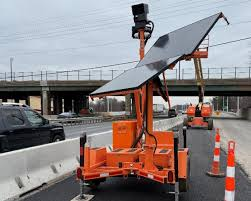
For local commuters and interstate travelers, this marks the end of traditional radar evasion. The state is scaling up a highly monitored digital system designed to photograph license plates and penalize drivers who exceed posted work-zone speed limits.
Connecticut Work Zone Speed Cameras Explained
The automated speed enforcement program launches on June 1, 2026, with a mandatory 30-day grace period where only written warnings will be mailed to speeders. Beginning July 6, 2026, the state will transition to a permanent system of financial citations.
The cameras, mounted on specialized utility trailers or inside sport utility vehicles, will capture images of any vehicle traveling 10 mph or more over the posted work-zone speed limit. Human operators will review every flag before any notice is mailed, and any interior image showing vehicle occupants will have their faces automatically masked to comply with privacy laws.
Full Program Breakdown
The statewide activation follows a highly publicized pilot initiative from a previous legislative cycle that state officials claim drastically reduced extreme speeding.
1. Where the Cameras are Hidden
CTDOT is authorized to run automated enforcement systems in up to 15 active construction or maintenance work zones at any given time. Rather than permanent poles, these systems are highly mobile. Commuters passing through designated I-84 enforcement zones in Southbury and Middlebury, as well as Route 15 corridors, will see large, highly visible warning signs posted well before entering and immediately after leaving the active enforcement zone.
2. The Strict On-Site Rule
The speed cameras are not a 24/7 automated cash grab. By law, the tracking and photography systems can only be turned on and active when highway workers are physically on-site and active construction is underway. If a work zone is empty or a lane restriction is passive overnight without crews present, the cameras remain inactive.
3. Recent Speeding Triggers the Crackdown
State officials fast-tracked the full implementation after alarming data collection logs leaked from pre-launch testing. During a trial phase on Route 15 northbound in Meriden, the automated systems captured 236 vehicles traveling over 85 mph through a restricted 45 mph work zone. Seven of those vehicles clocked in at over 100 mph, with a maximum recorded speed of 110 mph, providing the administration all the leverage needed to codify the enforcement.
Fines, Penalties, and Escalation
While June is strictly a buffer month for warnings, the permanent financial framework starting in July is structured to hit repeat offenders hard.
Offense Tier | Recorded Vehicle Speed | Penalty Issued (Starting July 6) |
First Offense | 10+ mph over work zone limit | Written Warning Only ($0) |
Second / Subseq. Offense | 10+ mph over work zone limit | Notice of Liability + $75 Fine |
Reckless Tier (Any Offense) | 85 mph or greater | Immediate Notice of Liability + $75 Fine |
Unlike a standard ticket written by a Connecticut State Trooper, these automated violations are processed as civil liabilities mailed directly to the registered vehicle owner based on DMV records. Because they are civil infractions, no points are assessed against the driver's license, and notices are processed externally through the Centralized Infractions Bureau.
Quick Facts
Launch Date / Warning Period: June 1, 2026 – July 5, 2026 (Warnings Only)
Enforcement Start Date: July 6, 2026 (Fines Active)
Location / Platform: Up to 15 active CTDOT highway work zones statewide (e.g., I-84, Route 15)
Lead Agencies: Connecticut Department of Transportation (CTDOT) & State Police
Fine Amount: $75 for repeat offenses or speeds hitting 85+ mph
Status: Live Testing Completed / Official Rollout Commencing June 1
Frequently Asked Questions
Will I get a fine immediately if I am caught speeding on June 1?
No. Throughout the month of June 2026, the program is operating under a strict warning-only grace period. Violators will receive a written warning in the mail but will not owe a fine.
What is the minimum speed that triggers a work-zone camera ticket in Connecticut?
The automated safety systems are calibrated to trigger and take photographs when a vehicle is traveling at least 10 mph over the posted work-zone speed limit.
Can I get a fine on my very first speed camera ticket?
Generally, a first offense results in a $0 written warning. However, there is a major exception: if your vehicle is recorded traveling 85 mph or faster through the work zone, you will automatically bypass the warning tier and receive a $75 fine, even if it is your first time.
Are the speed cameras active at night when crews aren't working?
No. The "Know the Zone" cameras can only legally operate when workers are physically present on-site in the active construction zone.
![Obsession Ending Explained: The Final Wish You Missed [2026]](https://static.wixstatic.com/media/3df989_186d515dced74d68a49bd47df7b25f2f~mv2.jpg/v1/fill/w_980,h_551,al_c,q_85,usm_0.66_1.00_0.01,enc_avif,quality_auto/3df989_186d515dced74d68a49bd47df7b25f2f~mv2.jpg)

Comments