

Voice Actor Kang Hee-sun Passes Away: Beloved Shin-chan Voice Actress Passes Away at 65

Prolific South Korean voice actress Kang Hee-sun, beloved by generations as the voice of Shin-chan’s mother (Bong Mi-sun) in Crayon Shin-chan and the voice of the subway announcements, has passed away at the age of 65 after a long battle with colon cancer.
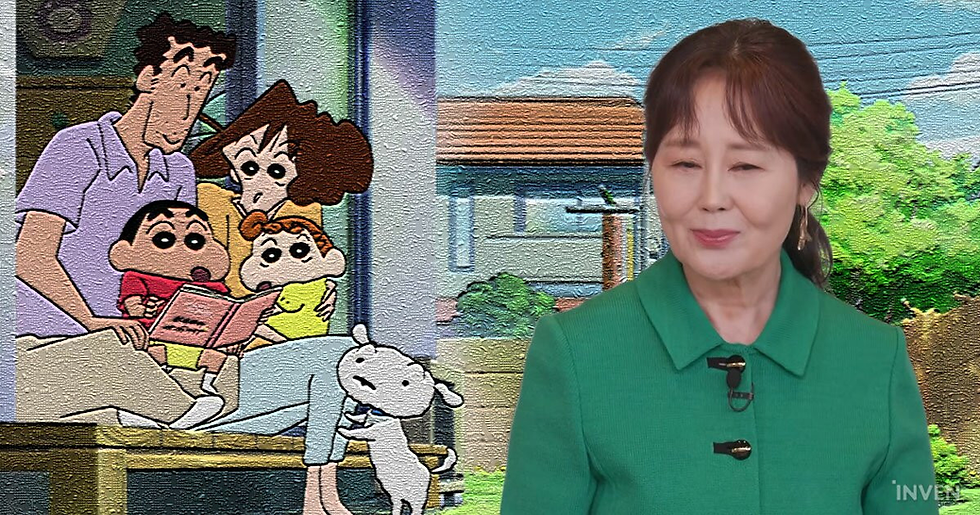
The announcement has triggered widespread grief among fans and colleagues in the entertainment industry, who are searching for her life history and career highlights. Kang was celebrated for her unique vocal range and dedication to her craft, continuing to record her roles even while undergoing extensive medical treatments. For international readers following the updates, coverage is available on SBS News in South Korea and YouTube platforms globally.
The Loss of a Generational Voice in South Korea
The passing of voice actress Kang Hee-sun at the age of 65 has brought a sense of profound loss to the South Korean entertainment industry and the millions of citizens who grew up listening to her voice. Kang, whose career spanned nearly five decades, was a fixture of daily life for generations, voicing characters and public announcements that became integral to the country's popular culture. The news of her death, following a long and courageously fought battle with colon cancer, has prompted a high volume of search queries and tributes from colleagues, animators, and fans who are mourning the loss of a unique talent.
Her dedication to her profession was exemplary, with reports detailing her determination to continue recording even while undergoing grueling medical treatments, including forty-seven rounds of chemotherapy. This commitment to her craft and her audience earned her the respect and admiration of the voice acting community, establishing her as a model of professionalism and resilience. The public mourning highlights the unique connection that voice actors can build with their audience, creating character portrayals that become personal memories for viewers over decades.
The impact of her passing is felt particularly within the animated voice acting community, where she was considered a mentor and a pioneer who helped elevate the profile of the profession in South Korea. The legal and professional associations representing voice actors have released statements celebrating her contributions, emphasizing that her legacy will continue to influence future performers. The news has also prompted discussions regarding the support systems available to artists facing long-term health crises, emphasizing the need for community solidarity in the creative arts.
The Vocal Artistry and Debut of a Legend
Born in 1960, Kang developed an early interest in the performing arts and voice acting, joining the Korean Broadcasting System (KBS) as a member of the voice acting division in the late 1970s. Her initial years in the industry were marked by rigorous training and a diverse range of minor roles in radio dramas, foreign film dubbing, and educational programming. Her vocal range, characterized by a clear, expressive tone that could transition between comedic intensity and quiet maternal warmth, quickly caught the attention of directors, leading to larger roles.
The dubbing of foreign films was a significant aspect of her early career, with Kang providing the voice for prominent Hollywood actresses in Korean releases, showcasing her ability to adapt her delivery to match the physical performances of international stars. Her work required a deep understanding of character motivation and timing, skills that she developed through years of experience in the recording booth. The precision and emotional depth of her dubbing performances helped establish her reputation as a top-tier talent in the field, paving the way for her iconic work in animation.
The transition to animated character voicing allowed her to showcase her versatility, creating unique vocal identities for characters that had a lasting impact on viewers. Kang's approach to voice acting was marked by a commitment to character development, working with writers and animators to ensure that the voice matched the visual presentation. Her ability to convey complex emotions through vocal nuances became a defining characteristic of her style, making her performances instantly recognizable to audiences.
Bong Mi-sun: Defining the Maternal Archetype
The most famous role of Kang's career arrived with the Korean dub of the popular Japanese animated series Crayon Shin-chan, where she voiced Bong Mi-sun, the humorous, relatable, and sometimes exasperated mother of the main character, Shin-chan. The series, which began broadcasting in South Korea in the late 1990s, became a major cultural phenomenon, attracting a large and loyal audience. Kang's performance was central to the show's success, defining the character for millions of Korean viewers who connected with her portrayal of modern motherhood.
The character of Bong Mi-sun required a balance of comedic timing and emotional sincerity, with the mother frequently navigating the chaotic antics of her son while managing the daily household. Kang's vocal delivery captured these dynamics perfectly, creating catchphrases and vocal styles that became part of the popular lexicon. Her performance was not merely a translation of the original Japanese track, but a localized interpretation that resonated with South Korean cultural contexts, establishing Bong Mi-sun as a beloved cultural archetype.
The longevity of the series, which has continued to broadcast new seasons for over two decades, allowed Kang to develop the character over time, creating a consistent presence that accompanied viewers from childhood to adulthood. Her work on Crayon Shin-chan remains one of the most successful examples of voice localization in Korean broadcasting history, demonstrating the power of voice acting to adapt international properties for local audiences. Her performance established a benchmark for character dubbing, influencing subsequent generations of voice performers.
The Daily Voice of Millions: Subway Announcements
Beyond her celebrated work in animation, Kang was a familiar presence in the daily lives of millions of South Koreans as the voice behind the subway announcements for the Seoul Metro and Busan Metro transit systems. Having recorded the initial announcements in 1996, her clear, calm, and professional vocal delivery guided commuters through the busy transit networks for nearly thirty years, becoming a reassuring soundtrack to the urban commute. The stability and clarity of her voice were essential for public safety and convenience, helping passengers navigate the complex networks.
The process of recording subway announcements required a high level of precision, with the actress delivering station names and safety instructions with consistent tone and pacing. The announcements became a defining feature of the daily urban experience in Seoul and Busan, with commuters associating her voice with the progress of their journey. Kang's dedication to this public service role was highlight when she continued to record updates to the announcements even during her illness, ensuring that the transit systems maintained their familiar guidance.
The public reaction to the news of her passing included many commuters expressing their gratitude for her presence in their daily routines, noting that the subway stations would feel different without her voice. Her contributions to public infrastructure through her vocal work demonstrate the diverse ways in which a voice actor's talent can impact society, providing a service that was valued by millions of citizens every day.
A Quiet Courage and Professional Legacy
The final years of Kang's life were marked by a quiet courage as she navigated her diagnosis and treatment for colon cancer while continuing to fulfill her professional commitments. The determination to remain active in the recording booth, despite the physical toll of her medical treatments, was a testament to her love for her profession and her respect for the audience. Her colleagues have recalled her warmth, humor, and professional standards during this period, stating that she remained a source of inspiration for everyone who worked with her.
The legacy of Kang Hee-sun is defined by the breadth of her achievements, from the creation of iconic animated characters to the delivery of public service announcements that guided a nation. Her work demonstrated that voice acting is a critical artistic discipline that plays a significant role in shaping popular culture and public life. The preservation of her recordings ensures that her voice will continue to be heard, providing comfort and entertainment for years to come.
As the industry celebrates her life and contributions, the focus remains on the standards of excellence and dedication she established throughout her career. She leaves behind a body of work that is woven into the daily experience of South Korean society, a testament to the power of a single voice to connect with millions of people and leave an indelible mark on their lives.
Quick Facts
Release Date: N/A (Obituary)
Platform: SBS News (South Korea) / YouTube (International)
Director / Showrunner: N/A
Runtime / Episode Count: N/A
Top 3-5 Cast: Kang Hee-sun
Status: Announced (Passed Away)
FAQ
What was Kang Hee-sun's most famous voice role?
Kang Hee-sun was best known as the voice of Bong Mi-sun (Shin-chan’s mother) in the South Korean dub of the popular animated series Crayon Shin-chan.
Where else could people hear Kang Hee-sun's voice in daily life?
She was the voice behind the subway announcements for the Seoul Metro and Busan Metro transit systems in South Korea since 1996.
What was the cause of Kang Hee-sun's passing?
She passed away at the age of 65 after a long battle with colon cancer, during which she underwent 47 rounds of chemotherapy.
Where can I find news coverage and tributes for Kang Hee-sun?
Coverage of her life and tributes from fans are available on SBS News in South Korea and YouTube platforms globally.


Comments