Search Results
Search this site
5945 results found with an empty search
- A Very Happy Birthday to Honorable Minister Shri Ashish Ji: A Visionary Leader Bridging Heritage and Innovation
Today, we celebrate the birthday of a dynamic leader, a dedicated public servant, and a true champion of Maharashtra's progress, Honorable Minister Shri Ashish ji. As he adds another year to his remarkable life, it is a momentous occasion to reflect on his tireless commitment to public welfare and the unique vision he brings to the state's governance. Currently serving as a Cabinet Minister in the Government of Maharashtra, Shri Ashish ji shoulders a diverse and highly impactful array of pivotal portfolios. He is entrusted with the ministries of Cultural Affairs, Electronics, Information Technology (IT), and Artificial Intelligence (AI) Development. This unique combination of responsibilities perfectly mirrors his visionary approach—honoring the roots of our rich heritage while aggressively steering the state toward a technologically advanced future. A Champion of Our Cultural Heritage As the Minister of Cultural Affairs, Ashish ji has been instrumental in safeguarding, promoting, and celebrating the vibrant cultural tapestry of Maharashtra. His leadership in this ministry is defined by a deep respect for regional arts, traditions, and historical legacies. He understands that a society’s true strength lies in its roots. From supporting local artists and traditional festivals to ensuring that the state's grand history is preserved and celebrated for future generations, his work in the cultural sector has touched the hearts of many. He has successfully transformed the Cultural Affairs ministry into an active force that brings communities together through shared pride and heritage. Pioneering the Future with IT, Electronics, and AI While his dedication to culture grounds the state, his work across his other ministries propels it into the future. By leading the Electronics, Information Technology, and Artificial Intelligence Development portfolios, Ashish ji is positioning Maharashtra at the cutting edge of global innovation. His forward-thinking policies are designed to foster technological growth, invite global investments, and empower the youth with futuristic opportunities. Bridging the gap between an ancient, rich culture and the transformative power of Artificial Intelligence is no small feat, yet he balances both with the wisdom of a true statesman. Despite these heavy administrative responsibilities, what truly sets Ashish ji apart is his accessibility and deep-rooted connection with the grassroots. He is widely recognized not just as a minister who works from Mantralaya, but as a leader who leads from the ground, always keeping the needs of the common man at the absolute forefront. On this special day, we extend our warmest greetings and heartfelt wishes to Shri Ashish ji. May the year ahead bring him immense joy, robust health, and the continued energy to serve the state and its people with the same unwavering zeal. Happy Birthday, Ashish ji! May your journey ahead be filled with even greater milestones, as you continue to guide society toward a brighter, culturally rich, and technologically prosperous future.
- Rohit Saraf Shines as Sachindranath Sanyal in Amazon Prime’s The Revolutionaries
In Amazon Prime Video’s latest historical drama series, The Revolutionaries, Rohit Saraf steps outside his usual acting repertoire to deliver a deeply layered performance as Indian freedom fighter Sachindranath Sanyal. Fans and critics alike are praising the actor for bringing a new level of maturity and depth to the screen. A Strategic Mastermind, Not Just a Rebel Saraf brilliantly captures the essence of a revolutionary defined by his quiet observation and tactical brilliance. Rather than acting impulsively for the thrill of rebellion, Sanyal was a visionary who always thought three steps ahead. When Rash Bihari Bose (played by digital creator and actor Bhuvan Bam) needed a dependable ally, Sanyal didn’t scramble to prove his worth—he had already been preparing for years. As a trained wrestler, he understood that his physical might was a tool meant for his country's independence, and he wielded it with absolute purpose and strategy. 15 Months of Intense Physical Transformation To authentically ground his performance as a freedom fighter, Saraf dedicated 15 months to a grueling physical preparation routine. His demanding training regimen incorporated: Traditional Kushti Mallakhamb Kalaripayattu Heavy strength conditioning This intense preparation resulted in a noticeably agile and powerful on-screen presence, proving Saraf's dedication to his craft and the historical figure he portrays. Why The Revolutionaries is a Must-Watch By bringing crucial gravitas to the role, Saraf serves as a vital anchor for the series' narrative. Directed by acclaimed filmmaker Nikkhil Advani, the show features a stellar ensemble cast that includes Bhuvan Bam, Pratibha Ranta, and Gurfateh Pirzada. The Revolutionaries is currently streaming on Amazon Prime Video, and Rohit Saraf’s transformative portrayal of Sachindranath Sanyal is easily one of the strongest reasons to add this historical thriller to your watchlist.
- Kenneth Hopkins Named Advisory Board Member for the Ardeshir Irani International Film Festival 2026
The Indian film industry is preparing for a monumental celebration of cinematic history with the upcoming Ardeshir Irani International Film Festival Awards 2026. Presented by Imperial Motion Pictures, the highly anticipated event pays tribute to the "Father of Indian Cinema Talkies," honoring the visionary legacy of the man who introduced sound to Indian films. The grand ceremony is scheduled to take place on November 30, 2026, from 6:00 PM to 10:00 PM. Attendees will gather at the prestigious St. Andrew's Auditorium, located on St. Dominic Road in Bandra West, Mumbai. Adding significant industry weight to the event, Kenneth Hopkins has been officially appointed as an Advisory Board Member for the festival. As the founder of the digital pop culture platform AltBollywood, Hopkins brings a wealth of modern media expertise to the board. Further cementing this collaboration, AltBollywood is serving as a prominent media partner for the awards. The platform's branding stands proudly alongside other key festival partners, including Samarth Raje Productions, TYCHE Films & Media Solutions, Naara, and Nisha Padariya. The festival promises to be a lavish affair, bringing together filmmakers, artists, and cinephiles to celebrate innovation in both domestic and global storytelling. Recent promotional campaigns have already offered the public a first look at the prestigious gold and black trophy that will be awarded to this year's cinematic trailblazers. For film enthusiasts and industry professionals looking to learn more about the event, comprehensive details are available on the official website at www.aiiffa.in. Interested parties can also connect with the organizers directly by calling +91 9834188206 or by following the latest festival updates across social media platforms via the handle @AIIFFA_OFFICIAL.
- Sonal Chauhan Reflects on the Cult Classic 'Jannat' and Reveals Emraan Hashmi Doubted the Iconic Proposal Scene
The unforgettable proposal scene in the Bollywood hit Jannat remains a benchmark for romance on the big screen. Driven by Emraan Hashmi's earnest performance and Sonal Chauhan's captivating presence, the moment set a standard that fans still celebrate today. Recently, the actress took a trip down memory lane to share some fascinating trivia about the 2008 classic, including a surprising revelation: Emraan Hashmi was initially unconvinced about the famous proposal sequence. Looking back at the enduring love for the film, Chauhan noted how deeply audiences connected with the story. She shared that even today, fans approach her to playfully complain that she should never have let Emraan's character die. Interestingly, Chauhan herself had reservations about certain parts of the script. She recalled a specific dialogue where her character points out that without a personal vehicle, she has to rely on the call center cab. She admitted telling the director that the line made her look like a gold digger, especially since his character just wanted to take her out for coffee. Despite her hesitations, that very dialogue resonated with audiences and became a classic movie moment. When it came to the movie's defining romantic gesture, Chauhan dropped a major behind-the-scenes secret. She revealed that Emraan Hashmi felt the legendary proposal scene was a bit too over the top at the time. Thankfully, they went ahead with it, and the sequence became a massive cultural phenomenon. Chauhan credits the pure magic of the moment to the late singer KK, whose soulful voice played in the background. While fans often praise her radiant smile in that scene, the actress confessed that she actually cringed when she first saw it in the trailer. Ultimately, she believes that when something is destined to work, the entire universe aligns to make it happen. Released in 2008, Jannat continues to boast a massive fanbase. The gripping storyline, powerful performances, and intense emotional depth ensure its status as an absolute Bollywood cult classic. On the work front, Chauhan is currently basking in the success of Mirzapur: The Movie. Her striking performance as Mumtaz Bibi has added an exciting new layer to the highly praised gangster drama.
- Spotted: Suraksha From Mokai Out and About in Bandra Today
If you were wandering the leafy lanes of Bandra this afternoon, you might have caught a glimpse of the neighborhood's favorite internet sensation. We spotted Suraksha, the beloved barista who has practically become the face of Mokai, out in the city today, turning heads just as effortlessly as she serves up iced matchas. And for the record, her last name isn't "Mokai," even if she is completely synonymous with the Japanese-inspired café. Suraksha has recently skyrocketed to viral fame thanks to Mokai's genius pivot on Instagram. Moving away from standard aesthetic food shots, the café started dropping episodic, sitcom-style micro-dramas featuring their real staff. At the center of this caffeine-fueled chaos is Suraksha, who plays a hilariously sassy, no-nonsense boss navigating café life alongside her co-workers. Her deadpan delivery and impeccable comic timing have struck a massive chord online. In an era of overly polished influencer content, her unfiltered, relatable vibe is a breath of fresh air. What started as a fun social media experiment has turned into a massive digital hit, racking up views and making her a recognizable personality well beyond the coffee counter. These days, foot traffic to the Pali Hill café is driven just as much by people hoping to meet her as it is by the chili garlic noodles and coffee. Today's sighting in Bandra just proves what we already knew. Suraksha isn't just staff anymore; she is the moment.
- What every Verity ending explained misses about Jeremy's guilt
The Verity ending explained requires unpacking the final scene where Lowen Ashleigh hides a letter proving Jeremy Crawford orchestrated the car crash that paralyzed his wife. The film closes without confirming if Verity Crawford wrote the truth in her manuscript or the hidden letter, trapping the audience in a domestic murder cover-up where the surviving heroine is complicit. Lowen Ashleigh and Jeremy Crawford murder Verity Crawford after discovering an autobiographical manuscript that claims Verity Crawford drowned her daughter Harper. Months later, Lowen Ashleigh finds a hidden letter claiming the manuscript was a fictional writing exercise and that Jeremy Crawford intentionally caused the car crash. The film ends with Lowen Ashleigh hiding this letter to protect Jeremy Crawford. The ambiguity of the climax is completely intentional. The viewer is forced to choose between two irreconcilable realities. Either Verity Crawford was a manipulative child-killer who wrote her confession on paper, or Jeremy Crawford was a violent abuser who manipulated Lowen Ashleigh into helping him execute his wife. The evidence provided on screen supports both readings, but the timeline of the film heavily implicates Jeremy. Quick Facts: Verity Release Date: October 2026 Platform: Theatres globally. Streaming on Netflix in India, and internationally on the Netflix global app. Director: Michael Showalter Runtime: 114 minutes Top Cast: Anne Hathaway (Verity Crawford), Anna Kendrick (Lowen Ashleigh), Channing Tatum (Jeremy Crawford), Corey Fylmas (Crew) Status: In Theatres Now The Accident That Brings Lowen Ashleigh to Vermont The plot mechanics of the film rely entirely on Lowen Ashleigh's financial desperation. Lowen is an unsuccessful writer living in New York who witnesses a horrific pedestrian accident in the opening scene. Jeremy Crawford is the stranger who pulls her away from the blood and offers her his shirt. This specific encounter establishes Jeremy Crawford as a protector long before Lowen knows his identity. Days later, Lowen accepts a lucrative contract to finish a book series for Verity Crawford. Verity is ostensibly paralyzed and catatonic following a severe car crash. Lowen travels to the sprawling Crawford estate in Vermont to sort through Verity's chaotic home office. The house is isolated, gothic, and entirely controlled by Jeremy. Lowen meets Crew, the surviving son, and observes Verity sitting silently in a medical bed. The physical vulnerability of Verity Crawford contrasted with the physical dominance of Jeremy Crawford is the visual anchor for the entire film. The Autobiography That Sentences Verity Crawford to Death While searching the office for plot outlines, Lowen discovers an unfinished, unpublished manuscript. The text reads as a brutal, unfiltered autobiography. Over the next several days, Lowen reads chapters detailing Verity's extreme resentment toward her own children. The manuscript claims Verity hated being a mother, despised the attention Jeremy gave to their twins, and actively harbored violent thoughts toward her family. The climax of the manuscript focuses on the death of Harper. The text explicitly states that Verity Crawford deliberately overturned a boat on the lake to drown her daughter. The narrative framing here is crucial. Lowen Ashleigh consumes this information in isolation, surrounded by the physical presence of the woman she is reading about. Lowen begins to suspect Verity is faking her paralysis. She notices Verity's eyes tracking movement, catches shadows on the baby monitor, and finds locked doors unlatched. Lowen takes the manuscript to Jeremy. She presents it as absolute proof of Verity's guilt. Jeremy confronts his wife, who drops the catatonic act immediately. Verity Crawford begs for her life, proving she was indeed faking her physical limitations. Convinced the manuscript is a factual confession, Jeremy murders Verity. Lowen actively helps him stage the scene to look like a tragic accident, and they dispose of the body in the lake. The Twin Swap That Changes the Movie Timeline The film makes a structural adjustment to the source material that directly impacts Jeremy's motive. The script alters the family dynamic by making Harper and Crew twins, completely removing the older sibling character Chastin. In the original narrative, Chastin's death provides a long timeline of grief and suspicion. By consolidating the children and erasing Chastin, the film accelerates the tension. The drowning of Harper becomes the singular, isolated incident that fractures the marriage. This script change removes Jeremy's timeline of long-suffering patience. It reveals him as a man capable of escalating to absolute violence based on a single traumatic event. The removal of the older child makes Jeremy's immediate jump to murder in the climax far more plausible, stripping away the protective layer of the grieving father and exposing his capacity for sudden brutality. The Floorboard Letter That Changes the Victim The film jumps forward in time. Lowen Ashleigh is now pregnant with Jeremy's child. They are packing the Vermont house to leave the estate permanently. While cleaning Crew's room, Lowen pries up a loose floorboard and discovers a hidden letter written by Verity Crawford. The contents of the letter completely dismantle the narrative Lowen built her life around. Verity writes that the manuscript was never an autobiography. It was an antagonistic writing exercise known as "chronological plotting." Verity claims she wrote an evil, villainous version of herself to help develop the mindset for her thriller novels. According to the letter, Harper's drowning was a genuine accident. The most damning revelation targets Jeremy. Verity writes that Jeremy found the writing exercise, believed it was real, and became violently enraged. The letter claims Jeremy orchestrated the car crash to punish her. Verity survived the crash but realized her husband wanted her dead. She feigned paralysis as a desperate survival tactic, waiting for an opportunity to escape the house with Crew. The Indian Lens: The Myth of the Perfect Provider The tension in the final act relies heavily on a cultural blind spot regarding domestic authority. Viewed through an Indian lens, the dynamic between Jeremy and Lowen is a textbook execution of the "Pati Parmeshwar" archetype. Indian cinema and television routinely condition audiences to view the long-suffering, providing husband as an unquestionable moral authority. Jeremy Crawford weaponizes this exact archetype. He presents himself to Lowen as a tragic, exhausted caretaker who has sacrificed everything for his broken family. He offers financial security, physical protection, and emotional rescue. Lowen Ashleigh buys into this patriarchal bargain without hesitation. When a man is elevated to a deity in his household, his violence is instantly justified as righteous anger. Lowen never questions Jeremy's decision to murder his wife because he has successfully positioned himself as the ultimate victim. The film critiques this deeply rooted cultural assumption, exposing how easily the facade of the perfect provider can mask a calculated domestic abuser. The Truth Behind the Final Decision The final scene is the defining moment of the film. Lowen reads the letter. She is visibly horrified by the implication that she helped murder an innocent woman and is now carrying the child of an abuser. Instead of confronting Jeremy with the evidence, Lowen folds the letter, hides it, and walks out to the car to leave with him and Crew. Lowen has enough information to realize Jeremy Crawford manipulated both her and Verity. She chooses silence. The movie ends without a clear verdict on which document contains the truth. If the manuscript is true, Verity was a killer attempting to manipulate the narrative from beyond the grave. If the letter is true, Jeremy is a murderer, and Lowen is his next captive. Lowen hides the letter because she understands the mechanics of her own survival. Confronting Jeremy would immediately put her in the exact position Verity occupied. She chooses the safety of a comfortable lie over the fatal reality of the truth. FAQ Does Verity die in the movie? Verity Crawford dies in the climax of the film when Jeremy Crawford murders her. Lowen Ashleigh actively helps him cover up the murder by making it look like an accidental drowning in the lake near their property. Is the letter or manuscript true in Verity? The film deliberately refuses to confirm whether the manuscript or the letter is the truth. The audience must decide if Verity was a manipulative child-killer or if Jeremy was an abusive husband who orchestrated a car crash to frame her. What are the Verity movie vs book differences? The film simplifies the family structure by making Harper and Crew twins and completely cutting the character Chastin. This structural change accelerates the pacing of the plot and makes Jeremy Crawford's violent reaction to Harper's death more immediate. What happens to Crew in Verity? Crew survives the events of the film and leaves the Vermont house with Jeremy Crawford and Lowen Ashleigh. He remains unaware that his father and Lowen murdered his mother in the final act. Who killed Harper in Verity? The true cause of Harper's death remains unresolved at the end of the film. The manuscript claims Verity deliberately drowned her by flipping the boat, while the hidden letter claims the drowning was a complete accident that Jeremy misinterpreted.
- Bollywood Actresses & Their Unmatched Love for Classic Black Ensembles
When it comes to commanding attention in the fashion world, no color makes a bolder statement than classic black. Black offers unmatched elegance, versatility, and power. Our favorite Bollywood actresses frequently let the magic of black ensembles take center stage, experimenting with everything from sleek bodycon silhouettes to dramatic, sculpted gowns. If you are looking for celebrity style inspiration, here is a look at how Bollywood’s leading ladies are styling their favorite black outfits: Alia Bhatt: Sophisticated in an Off-Shoulder Midi Alia Bhatt exudes chic sophistication in a stunning off-shoulder black midi dress. She perfectly accessorizes this timeless look with matching black stilettos, edgy sunglasses, and a sparkling diamond necklace to elevate the glam quotient. Ananya Panday: Flawless in a Halterneck Bodycon Serving major fashion inspiration, Ananya Panday looks flawless in a figure-hugging black bodycon dress featuring a stylish halter neckline. She keeps the overall styling effortlessly clean, pairing the look with sleek straight hair and bold statement earrings. Alaya F: Maximalist Glam in a Sculpted Gown Bringing fierce, high-fashion energy to the forefront, Alaya F stuns in a fitted black gown. The dress features dramatic wavy patterns across the bust and an oversized, majestic bow below the waistline that defines the striking silhouette. Leaning into maximalism, she completes the look with glamorous makeup, a bold lip color, and dazzling diamond earrings. Khushi Kapoor: Playful Elegance in a Flared Mini Dress Khushi Kapoor brings a fun, youthful vibe to her dark ensemble. She opted for a flared mini dress with a pulled-up neckline, keeping the aesthetic crisp and neat. A mini handbag, a classic pearl necklace, and dainty bracelets serve as the perfect finishing touches. Sharvari: Edgy Perfection in a Textured Gown Redefining modern fashion maximalism, Sharvari commands attention in a striking black gown. The dress features unique pulled-up edges around the bust and elevated, textured patterns along the waistline. She sharpens the look with slicked-back hair and eye-catching statement jewelry. Shanaya Kapoor: Boss Lady Vibes in a Skirt Suit Shanaya Kapoor masters the power-dressing trend in a tailored black skirt suit. The body-hugging silhouette and edgy zippered details give the traditional suit a modern, trendy twist. Styled with a sleek ponytail and classic black stilettos, her look brings the aesthetic full circle. Which Look is Your Favorite? From Alia's classic midi to Sharvari's dramatic gown, these Bollywood stars prove that an all-black wardrobe is anything but boring. Which of these stunning black outfits are you planning to add to your wardrobe next?
- Drishyam 3 ending explained: The court twist you missed
The Drishyam 3 ending explained query comes down to one courtroom maneuver: Vijay Salgaonkar escapes prosecution in Drishyam: The Conclusion by executing a reserve safeguard against Rajveer Singh Tomar and Indrajith Shetty. The climax permanently diverges from the Malayalam source material to deliver a closed-loop finale that leaves no room for a fourth film. Vijay Salgaonkar does not get caught in Drishyam: The Conclusion. Rajveer Singh Tomar and Meera Deshmukh successfully decode the original cover-up of Sameer Deshmukh's death. Rajveer locates two critical accomplices who helped Vijay execute his earlier scheme. Prosecutor Indrajith Shetty uses these witnesses to corner the Salgaonkar family in court. However, Vijay anticipates this exact prosecution strategy. The final sequence reveals Vijay planted a pre-planned counter-move long before the trial began. This masterstroke invalidates the prosecution's evidence and secures permanent freedom for Vijay, Nandini, Anju, and Anu. Quick Facts Release Date: October 2026 Platform: Theatrical release, followed by JioCinema Director: Abhishek Pathak Top Cast: Ajay Devgn (Vijay Salgaonkar), Tabu (Meera Deshmukh), Akshaye Khanna (Rajveer Singh Tomar) Status: In Theaters Now Streaming on JioCinema in India, and internationally on the JioCinema global app. The Prosecution Strategy That Finally Cornered Vijay The fatal flaw in the earlier investigations was the police's reliance on brute force and immediate circumstantial evidence. Meera Deshmukh recognizes this failure. Her grief over Sameer's death remains the driving engine of the plot, but her methodology changes. She brings Mahesh and Rajveer Singh Tomar back into the fold to dismantle the Salgaonkar alibi logically. Rajveer stops looking for the body. He looks for the infrastructure. The investigation narrows down to the logistical impossibility of one man executing the original cover-up entirely alone. This pivot leads Rajveer to the two crucial people who inadvertently or deliberately assisted Vijay during the execution of his old plan. Once these two links are identified, the state does not waste time with police interrogations. They bypass the local station and escalate the matter to court. The introduction of Prosecutor Indrajith Shetty changes the threat level. Shetty is not a local cop burdened by past failures. He is a legal surgeon. He uses the testimony of the two located accomplices to trap Nandini and Anju in a sequence of cross-examinations designed to break their rehearsed narratives. The Final Safeguard That Invalidates The Trial For the first two hours, the film conditions the audience to believe Vijay is finally losing his grip. The prosecution systematically destroys his timeline. The twist operates entirely on misdirection. The climax reveals that Vijay wanted the police to find those two specific accomplices. The entire courtroom sequence is a trap set by the defendant. Vijay understood years ago that a dormant case is a permanent threat. The only way to achieve absolute safety for his family is to force the state to play its final hand in a court of law and lose. Double jeopardy laws prevent a person from being tried twice for the same crime once acquitted. Vijay's final pre-planned counter-move is deployed right as Shetty prepares to close his case. The specific mechanics of the reveal show that Vijay manipulated the evidence trail linking the two accomplices to the crime. When Shetty presents this evidence to the judge, Vijay triggers his safeguard, exposing the state's entire case as structurally compromised. The prosecution collapses. The court is forced to acquit. Vijay does not win because Rajveer is incompetent. Vijay wins because he engineered the prosecution's victory condition to be structurally hollow. The North Indian Institutional Paranoia The shift from the Malayalam canon to an original Hindi script is not just a commercial calculation. It is a cultural recalibration. The Mohanlal films operate in a landscape where the local police station is the ultimate arena of conflict. The stakes are deeply communal. Drishyam: The Conclusion elevates the conflict to the institutional level. The introduction of Shetty and the shift to a highly publicized courtroom battle reflect a specific North Indian cinematic anxiety about the weaponization of the legal system. The film argues that survival for a middle-class family requires out-thinking not just a corrupt cop, but the entire machinery of the state. Vijay operates less like a desperate father and more like a defense attorney running a shadow trial. The Rejection Of The Malayalam Blueprint For months, the dominant online theory claimed Ajay Devgn would simply replicate Georgekutty's open-ended surrender. The internet built an entire consensus around a Drishyam 4 setup. Director Abhishek Pathak dismantles that theory entirely. The Hindi film is a definitive conclusion. There is no surrender. There is no lingering guilt that forces a confession. By rewriting the ending to secure a hard legal acquittal, the Hindi franchise chooses closure over philosophical ambiguity. Meera and Mahesh are forced to accept their defeat formally, on the public record. Vijay walks out of the courtroom with his family, the case legally sealed forever. FAQ does Vijay get caught in Drishyam 3 Vijay Salgaonkar does not get caught. He uses a pre-planned legal safeguard to defeat the prosecution in court and secure a permanent acquittal for his family. is Hindi Drishyam 3 different from Malayalam Yes. The Hindi version features an entirely original storyline that completely ignores the events of the Malayalam Drishyam 3. The Hindi script replaces the ambiguous surrender ending with a definitive courtroom victory. who is Indrajith Shetty in Drishyam 3 Indrajith Shetty is the aggressive state prosecutor who leads the courtroom battle against the Salgaonkar family. He uses the testimony of two newly discovered accomplices to temporarily break Vijay's alibi. Drishyam 3 post credits scene There is no post-credits scene setting up a sequel. The filmmakers have confirmed this is the final installment of the Hindi franchise, and the story concludes completely before the credits roll.
- Inside FICCI FRAMES 2026: Key Takeaways, Media Trends, and AltBollywood’s Vision for Digital Storytelling
The Indian media and entertainment landscape is undergoing an unprecedented structural shift. Digital distribution models, algorithmic curation, and evolving viewer preferences are redefining how stories are created, packaged, and monetized. At the center of this transformation is FICCI FRAMES, one of Asia’s most influential media and entertainment conventions. Representing AltBollywood, our core leadership team—Kenneth Hopkins (Founder & Editor-in-Chief), Vishal (Co-Founder & Sub-Editor), and Shani (Lead BD & Managing Editor)—attended the event at the Grand Hyatt, Mumbai, to engage directly with industry leaders, creators, and visionaries shaping the future of Indian cinema and digital media. Stepping Into the Hub of Media Innovation Our journey began early in the morning, leaving for the Grand Hyatt at 9:30 AM to immerse ourselves in a packed agenda of keynotes, panel sessions, and networking forums. FICCI FRAMES consistently serves as a strategic meeting ground for global studios, streaming platforms, tech giants, and editorial leaders. The energy across the venue reflected a clear narrative: traditional storytelling frameworks are merging with high-agility digital distribution networks. For AltBollywood, attending FICCI FRAMES was not merely about tracking industry developments—it was about actively positioning our platform at the intersection of entertainment journalism, search discoverability, and strategic brand integrations. Key Insights from Industry Pioneers & Global Media Leaders The panels and networking sessions provided deep clarity on where creative investments, platform partnerships, and audience attention are heading. Highlighting the event were keynotes and interactions with leading figures and global media heavyweights, including executive leadership from JioStar, Zee, Meta, Kuku TV, StoryTV, Dolphin AI (Eloelo Group), and Warner Bros. Discovery (featuring iconic global IP like Tom and Jerry). Ajay Devgn on Scale and Narrative Nuance: Ajay Devgn highlighted the importance of balancing large-scale cinematic spectacle with character-driven depth. As audience appetites diversify across theatrical and streaming formats, story structure remains the primary differentiator for long-term IP valuation. Rajkummar Rao on Authenticity in Performance: Rajkummar Rao emphasized the growing demand for rooted, realistic narratives. Today’s viewers prefer authentic, relatable characters over predictable formulas, driving a resurgence in concept-led cinema across both regional and national markets. Ekta Kapoor on Multi-Platform Engagement: Media pioneer Ekta Kapoor shared critical insights on building long-term content franchises. She emphasized how changing consumption habits require creators to build cross-platform brand ecosystem strategies that engage audiences across streaming apps, social channels, and digital publication platforms. Ravi Kishan on Regional Content Expansion: Ravi Kishan focused on the explosive growth of regional storytelling. He pointed out how non-metro markets are leading content consumption trends, proving that localized narratives now possess global reach potential. Global Media & Platform Leaders: Strategic dialogues with executives from JioStar, Meta, Zee, Kuku FM, StoryTV Dolphin AI, and Warner Bros. Discovery underscored the massive convergence happening between traditional media, AI video production, social platforms, and global entertainment franchises. Taha Shah Badussha on the New Wave of Screen Presence: Breakthrough actor Taha Shah Badussha shared valuable perspectives on navigating multi-platform storytelling and engaging audiences across modern OTT and cinematic releases. Connecting with dynamic actors like Taha underscored the vital overlap between talent visibility and strategic digital coverage. Facilitating Storyteller Pitch Sessions & Content Curation A standout highlight of the event was the seamless orchestration of the creative matchmaking forums. Actress and creative facilitator Saloni Patel brilliantly organised and curated meetings bridging storytellers, screenwriters, directors, and top production houses. This specialised vertical—often referred to in the industry as Talent & IP Matchmaking, Creative Packaging, or Script-to-Screen Curation—serves as the vital bridge where original storytelling meets production capital. Observing these structured pitch sessions reinforced how critical streamlined content incubation and IP discovery are for today's entertainment ecosystem. Unlocking Creator Networks and Strategic Collaborations Beyond the high-profile keynotes, the core of our initiative at FICCI FRAMES focused on expanding AltBollywood's network of talent, narrative creators, and commercial partners. AltBollywood has evolved into a comprehensive digital ecosystem, spanning Bollywood pop culture, high culture, subculture, cross-culture, and counter-culture. Having surpassed 3.2 billion impressions across our digital assets, we provide high-yield solutions designed to elevate brands, agencies, and public personalities: PR & Editorial Publishing: Delivering high-impact press features, brand stories, and editorial coverage across all facets of culture. Celebrity Endorsements & Paparazzi Spotting ("Papping"): Structuring seamless celebrity tie-ups, product placement integrations, and on-ground paparazzi campaign coverage for maximum viral visibility. SEO Backlinking as a Service: Capitalising on our massive organic discoverability and domain authority to offer hyper-targeted backlinking assets and search indexation for client brands. Onboarding Top Creative Talent: Connecting with emerging scriptwriters, storytellers, and creators to expand our deep-dive analysis and culture reporting. The Road Ahead for AltBollywood The discussions at FICCI FRAMES confirmed that the future of media publishing lies in authentic content, multi-cultural storytelling, and strong technical search discoverability. As streaming platforms, production houses, and brands seek deeper audience connections, digital publications must offer more than superficial coverage—they must provide strategic narrative reach. Under the editorial direction of Kenneth Hopkins, Vishal, and Shani, AltBollywood continues to expand its reach as a premier destination for entertainment news, film analysis, celebrity marketing insights, and high-impact digital publishing solutions. Whether tracking global box office trends, featuring independent storytellers, or helping brands scale their organic search presence, our team remains committed to driving meaningful media narratives in the evolving entertainment ecosystem.
- Jojo J.F. D’Souza: The Visionary Force Behind Goa’s Big Banner Entertainment and Media LLP
In the rapidly evolving landscape of Indian independent cinema, a few creators stand out not just for their artistic vision, but for their comprehensive technical mastery. Jojo J.F. D’Souza—a Goa-based filmmaker, writer, director, poet, and musician—is precisely that kind of multi-hyphenate talent. Seamlessly blending a background in software development and a degree in Commerce (Management) with a profound passion for visual and auditory storytelling, Jojo has carved out a unique space for himself in the regional and national media landscape. Today, he is best known as the creative powerhouse steering one of Goa's most dynamic production houses. Leading Big Banner Entertainment and Media LLP Jojo serves as the Creative Head, Director, and lead Graphic Designer at Big Banner Entertainment and Media LLP. Situated beautifully by the lakeside in Vasco Da Gama, Goa, this full-service film, audio, media, design, and print studio is built on a "never say die" attitude and a commitment to delivering high-quality, end-to-end production solutions. Under Jojo's leadership, the studio handles everything from conceptual pre-production to on-location shoots across Goa's scenic backdrops, right through to the final polish of post-production. His multifaceted role sees him spearheading scriptwriting, direction, sound design, technical support, and brand expansion. Beyond Big Banner Entertainment, Jojo also extends his artistic leadership as the Creative Head for Suzen Records Pvt Ltd, guiding music production, artist development, and promotional aesthetics. A Diverse and Impactful Body of Work Jojo’s filmography is a testament to his versatility and his dedication to elevating regional narratives onto global platforms. His key projects under the Big Banner and independent banners include: #MOG! (2023): Jojo was an integral part of the editing and post-production team for this significant Goan cinema milestone. The film proudly premiered at the 54th International Film Festival of India (IFFI), was showcased at the NFDC Film Bazaar, and pushed the boundaries of the local film industry. Pedru Poder: A light-hearted, real-life-based Konkani romantic comedy produced by Big Banner Entertainment. The film celebrates local culture through the story of a traditional Goan baker. Ishq Tera: A Hindi feature film where Jojo showcased his storytelling chops as both the Writer and Director. The project featured hit songs from legendary Indian playback singers like Sonu Nigam, Shreya Ghoshal, and Sunidhi Chauhan. The Technical Edge: An Internationally Certified Expert What truly sets Jojo apart from many traditional directors is his hands-on, internationally certified expertise in post-production. As a certified media trainer and former global software developer, he brings a rigorous, tech-forward approach to his cinematic art. His proficiency allows him to actively shape narratives and visual aesthetics in the editing room using top-tier software like Final Cut Pro X (FCPX) and DaVinci Resolve. Because he is also a musician and composer, Jojo intimately understands the "sound of music," executing intricate audio design and sound engineering using ProTools. Whether he is writing a heartfelt regional script, directing an ensemble cast, or color-grading the final cut, Jojo J.F. D'Souza is a complete storyteller. Through Big Banner Entertainment and Media LLP, he continues to prove that Goa is not just a beautiful shooting location, but a thriving hub of world-class cinematic creation.
- RioWood: How Rio de Janeiro is Becoming the Next Global Media and Microdrama Hub
As audience attention continues to fragment and short-form entertainment skyrockets in popularity, a groundbreaking new platform is emerging from Brazil: RioWood. Designed as Rio de Janeiro’s premier Media, AI, and Microdrama platform, RioWood is on an ambitious mission to connect creators, cutting-edge technology, investment, and vibrant local culture to establish Rio as a dominant global media hub. Leaning heavily into the massive wave of short-form fiction and creator-led series, RioWood is actively inviting creators worldwide to submit their microdrama proposals, positioning itself as a central launchpad for next-generation, mobile-first storytelling. From Bollywood to RioWood: Creating Stories Without Borders RioWood’s global ambitions were recently thrust into the international spotlight during the prestigious FICCI FRAMES 2026 convention held in Mumbai. The platform and its potential were the focus of a highly anticipated panel titled "From Bollywood to RioWood: Creating Stories Without Borders." Moderated by Dr. Ashish S. Kulkarni, the session brought together Indian and Brazilian creative minds to explore the future of cross-border digital entertainment. RioWood’s visionary co-founders—Ravi Velhal, Maximino Cavalcante Leite, and Lindalia Sofia—took the stage to detail how the platform is building an ecosystem that transcends geographical limitations. The engaging discussion highlighted key opportunities for international collaboration, including: Co-production and Shared IP: Bridging the gap between diverse storytelling traditions to create universally appealing content. AI and Next-Gen Technology: Utilizing artificial intelligence to develop, distribute, and monetize short-form microdramas more effectively. Financing and Global Distribution: Opening new, streamlined avenues for creators to fund their projects and reach worldwide audiences. A Springboard into the Latin American Market RioWood is designed to be much more than a content aggregator; it is a strategic gateway. By cultivating a dedicated space for international stories, new technologies, and cross-border partnerships, the platform's founders are actively positioning Rio de Janeiro as the ultimate springboard into the highly lucrative Brazilian and broader Latin American media markets. As microdramas continue to redefine how stories are written, produced, and consumed, RioWood stands at the forefront of this digital disruption. For storytellers and investors looking to scale their snackable fiction and tap into a tech-forward, culturally rich ecosystem, RioWood represents the exciting new frontier of digital entertainment.
- Mohammad Faiz: How Rajasthan’s Biggest Global Music Star is Redefining Regional Pop
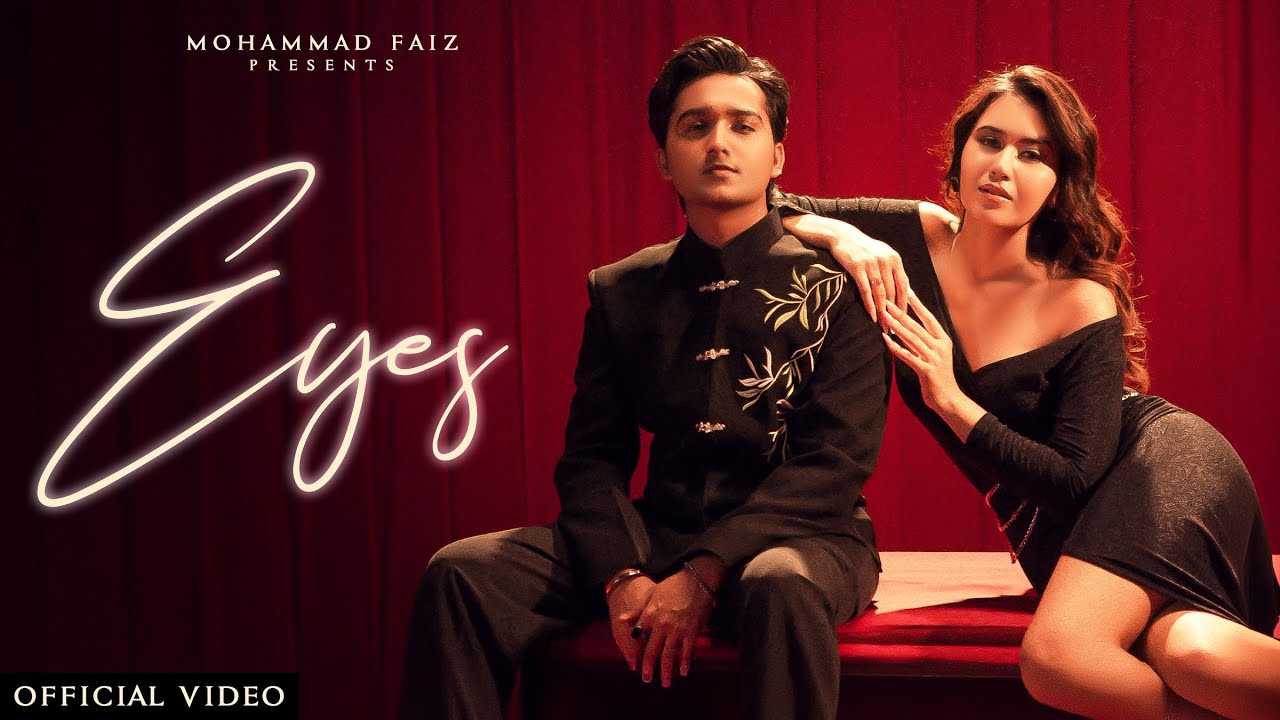
There are artists who need a formal introduction, and then there are those whose streaming numbers, cultural impact, and undeniable talent speak for themselves. Mohammad Faiz firmly belongs in the latter category. Since capturing the nation's attention—and heart—by winning Superstar Singer 2 at just 14 years old, Faiz has transformed from a reality show prodigy into a bona fide recording artist with a distinct sound and an expansive global audience. Today, he holds the impressive title of the most streamed Rajasthani artist in history, racking up billions of streams across platforms worldwide. From Reality TV to Global Charts Faiz’s evolution since his television debut has been nothing short of spectacular. He has successfully transitioned into a versatile creator whose career spans contemporary pop, R&B, romantic ballads, and regional anthems. His rapidly expanding catalog features viral hits like “Dekhha Tenu,” “Kabhi Shaam Dhale,” “Tu Hi Tu,” “Matt Jaao,” and “Teri Galiyon Mein.” These tracks have taken on lives of their own on streaming platforms and social media, cementing his status as one of the most recognizable and beloved voices of his generation. Beyond his vocal prowess, Faiz has cultivated a strong visual identity. Fans frequently celebrate his fashion sense, magnetic stage presence, and undeniable charisma, dubbing him one of India's most stylish musical exports. Championing Rajasthani Roots on a Global Stage What truly sets Faiz apart is his deep, unwavering connection to his Rajasthani heritage. Rather than abandoning his regional roots for mainstream appeal, he has skillfully woven traditional Rajasthani influences into his modern sound, introducing the language and culture to a massive digital audience. In 2026, he solidified this cultural bridge through a landmark collaboration with Coke Studio Bharat. Serving as co-composer and co-lyricist, Faiz teamed up with acclaimed folk artist Mame Khan and composer-musician Vaibhav Pani to create a track that beautifully marries contemporary pop with the timeless soul of Rajasthan's musical identity. His recent release, "Eyes," is a perfect testament to this artistic direction. The track masterfully blends modern R&B and trap with traditional Rajasthani undertones. Showcasing his growth, Faiz is credited not just as a vocalist, but also as the composer, lyricist, and video writer. Starring Akanksha Choudhary and produced by Hiten, the song proves Faiz is no longer just a performer; he is a visionary creator. An International Phenomenon The demand for Faiz's music has taken him far beyond the recording studio. He has performed to packed audiences across India and in diverse international markets, including Australia, New Zealand, South Africa, Mauritius, the Maldives, and Trinidad and Tobago. As I Popstar Volume 2 ushers in a new era of musical talent—with mentors like Neha Kakkar, Aditya Rikhari, and KING leading the September 2026 launch—fans have vocally expressed their desire to see Faiz join the judging panel. Many believe his authentic journey from a reality show winner to an established, multi-hyphenate artist makes him exactly the kind of judge the new generation needs. Today, Mohammad Faiz is more than a success story; he is a cultural ambassador. The numbers confirm his scale, but the music tells his true story—one of an artist who proudly carried his Rajasthani identity to the world stage and reshaped it for a new generation. This music video for "Eyes" showcases Faiz's transition into a multifaceted creator, perfectly illustrating the blend of modern R&B and traditional Rajasthani sounds discussed in the article.