Search Results
Search this site
5945 results found with an empty search
- Dhurandhar 2 The Revenge Breakdown: Top 10 Red Flags and Insider Truths About the 208-Minute Sequel
The PR machinery is working overtime to frame Dhurandhar 2: The Revenge as the definitive Eid-Holi blockbuster, but let’s talk about the 3.5-hour elephant in the room. This isn't a guaranteed mega-hit; it's a high-stakes, hyper-violent gamble that could severely alienate the casual holiday crowd. Here are the top 10 things you need to know before buying a ticket, minus the studio spin. 1. The 208-Minute Multiplex Nightmare The film reportedly runs for a staggering 208 minutes. The math isn't mathing for multiplex owners. A 3.5-hour runtime (plus 20 minutes of ads and an interval) completely destroys screen turnover rates. To hit their massive box office targets, they need rapid footfall, but this runtime physically limits the number of shows per day. 2. The Part 1 "Homework" Mandate If you think you can walk into this blind, think again. The sequel picks up immediately from the post-credits of Part 1. The intricate "kill list," the Karachi syndicate betrayals, and Hamza’s undercover arc are heavily serialized. This is a massive barrier to entry for new viewers and could stifle walk-in ticket sales. 3. Tonal Whiplash for a Holiday Crowd Studios love claiming "sleeper hit energy" for dark films, but dropping a gritty, trauma-heavy espionage thriller on the Eid-Holi weekend is a calculated risk that might backfire. Families looking for light escapism will quickly realize this isn't a masala entertainer—it's a grim look at national security and fractured identity. 4. The Graphic Violence Filter Marketing is hyping the "high-octane action," but read between the lines: this is heavy, visceral violence. Rooted in terror networks and underworld executions, the graphic nature of the film will likely filter out the four-quadrant family audience, making it heavily reliant on the adult male demographic. 5. The Pan-India Expansion Ploy Unlike the first film’s Hindi-only drop, Aditya Dhar is pushing a day-and-date release in Hindi, Telugu, Tamil, Kannada, and Malayalam. It’s an aggressive play for southern markets to offset the massive budget, but dubbing a highly specific, politically charged spy thriller doesn't automatically guarantee pan-India dominance. 6. The Deconstructed Hero Arc Ranveer Singh’s character (Hamza/Jaskirat) is fully leaning into his villain era. The narrative pushes him deeper into moral grey zones as he hunts Major Iqbal (Arjun Rampal). Audiences expecting a traditional, clean-cut patriotic hero will be gagged by the sheer ruthlessness of the protagonist's revenge arc. 7. The Bloated Ensemble Cast Ranveer Singh, Arjun Rampal, R. Madhavan, and Sanjay Dutt sharing the screen means an astronomical payroll. While the cast is stacked, balancing this many heavyweights without reducing them to glorified cameos is a massive screenplay challenge. If not handled perfectly, it’s going to feel like plot armor masking a thin script. 8. The Yami Gautam Trojan Horse Forget the main rivalry—the real industry play is Yami Gautam’s highly guarded cameo. This isn't random fan service; it’s a strategic setup. Her appearance is the linchpin tying this specific storyline into a much broader cinematic universe. 9. The Spy Universe Syndrome Aditya Dhar isn't just making a sequel; he's trying to engineer a franchise. Expect an Easter egg overload. The danger here is spending too much screen time world-building for future installments instead of delivering a satisfying conclusion to the current Karachi syndicate plotline. 10. The Recliner Prerequisite With the sheer length and emotional weight of the film, standard seating is going to test audience patience. If you are committing to this 4-hour theatrical fever dream, booking a recliner screen or a late-night show isn't a luxury—it’s a prerequisite for surviving the runtime. QUICK FACTS Release Date: March 19, 2026 (Eid-Holi Weekend) Runtime: 208 Minutes (~3.5 Hours) Director: Aditya Dhar Lead Cast: Ranveer Singh, Arjun Rampal, R. Madhavan, Sanjay Dutt Franchise Status: Direct continuation of Part 1; launching a broader Spy Universe. Languages: Hindi, Telugu, Tamil, Kannada, Malayalam Fans Also Asked Q: Do I absolutely have to watch Dhurandhar 1 before Dhurandhar 2? A: Yes, viewing the first film is strictly mandatory. The sequel relies heavily on the betrayals and syndicate politics established in Part 1, meaning new viewers will be completely lost in the first act. Q: Why is Dhurandhar 2 so long? A: The film runs for 208 minutes to accommodate an expanding ensemble cast and to set up a larger cinematic spy universe. It's an indulgent runtime that prioritizes heavy world-building over tight pacing. Q: Who is the main villain in Dhurandhar 2: The Revenge? A: Arjun Rampal plays Major Iqbal, the key ISI-underworld handler. His character is the primary target of Ranveer Singh's all-out revenge hunt across the border. Q: Is Dhurandhar 2 a family movie? A: Absolutely not. Despite the festive release date, it is a gritty, violent, and morally complex espionage thriller dealing with terror networks and underworld executions.
- Dakota Johnson Calvin Klein 2026 Campaign: Why the "Empowerment" PR Spin is Hiding a Brilliant (and Calculated) Regression
Dakota Johnson’s new Calvin Klein campaign isn’t a spontaneous celebration of female liberation; it’s a masterclass in weaponized nostalgia and preemptive PR defense. Here is why the brand's pivot back to 90s-era, male-gaze marketing is actually a calculated risk to move product, and why the internet's "Mrs. Grey" obsession is exactly what the board ordered. What Actually Happened? Calvin Klein launched its Spring 2026 underwear and denim campaign starring Dakota Johnson in a series of highly stylized, near-nude "day at home" setups directed by Gordon von Steiner. The actress is photographed topless or in minimal basics—lounging by a pool, playing billiards in panties and heels, and posing with props like pomegranates—while the brand officially markets the imagery as a stripped-down showcase of new fabric technologies. The Insider Take The brand claims this campaign is about highlighting "Icon Cotton Modal" and "spacer-cup bras," but let's be real: the math isn't mathing. You don't put a globally recognized sex symbol topless on a piano to sell the structural integrity of denim. This is pure fan service. It is a deliberate reversion to CK’s Kate Moss/Brooke Shields era playbook because avant-garde, hyper-inclusive fashion campaigns haven't been converting to sales. They know exactly what they are doing by casting the Fifty Shades lead—it's a cultural reset back to baseline, leveraging her established persona to manufacture instant virality. Why This Matters for Brand Strategy If you remember the 2023 FKA Twigs Calvin Klein campaign, it was banned by the UK Advertising Standards Authority for being overly sexualized and objectifying. The studio executives learned their lesson, and this time, they came prepared with plot armor. By explicitly framing the Dakota shoot with quotes about "comfortable, free and sexy on your own terms" and claiming "a woman just being is the sexiest thing," they have successfully cloaked classic, hetero-male-gaze aesthetics in modern corporate feminism. It’s brilliant PR damage control disguised as agency. What Fans Are Missing While the internet is busy gagging over the visuals and welcoming back "Mrs. Grey," they are missing the utter irony of the aesthetic. Dakota talks about the liberating feeling of being "alone at home," yet she is playing pool in stilettos, perfectly lit, with strategically placed props covering her chest. It's a highly curated fever dream of domesticity aimed squarely at generating high recall and social media buzz, completely blurring the supposed product-benefit message. The clothes are an afterthought; the controversy is the product. QUICK FACTS: Campaign: Calvin Klein Spring 2026 Underwear & Denim Star: Dakota Johnson Director: Gordon von Steiner Stated Objective: Showcase new denim fits and underwear tech (Ultralight, Icon Cotton Modal). Underlying Strategy: High-gloss, nostalgic celebrity provocation shielded by empowerment messaging. Controversy Level: MODERATE (Debates over male gaze vs. female agency). Fans Also Asked Q: When did the Dakota Johnson Calvin Klein campaign release? A: The campaign officially launched as part of Calvin Klein's Spring 2026 global marketing push. It is strategically timed to dominate the Q1 fashion cycle and flood social media algorithms. Q: Who directed the 2026 Calvin Klein Dakota Johnson ads? A: Gordon von Steiner shot and directed the campaign, utilizing his signature high-contrast, cinematic style. His involvement guarantees the visuals look less like a catalog and more like an erotic indie film. Q: Why is the Dakota Johnson Calvin Klein ad controversial? A: The ads reignited the debate over sexual objectification versus empowerment, with critics pointing out the heavy reliance on male-gaze aesthetics. However, the brand preemptively countered this by having Johnson release statements claiming total bodily agency. Q: What underwear is Dakota Johnson wearing in the Calvin Klein ad? A: The campaign technically highlights CK's new Ultralight, Icon Cotton Modal, and spacer-cup bra lines. Though, based on the engagement metrics, the specific fabric technology is the last thing audiences are looking at.
- Akshay Kumar Revives ‘Hi Rupa, Naha Liya?’ Meme on Wheel of Fortune India, Crowd Goes Wild
Everyone thinks Akshay Kumar dropping the "Hi Rupa" meme on Wheel of Fortune India was just a spontaneous burst of nostalgia, but the reality is much more clinical. This isn't just innocent fan service; it's a highly strategic brand reset designed to remind audiences why he was bankable in the first place. What Actually Happened? Akshay Kumar appeared on Wheel of Fortune India and launched into a pre-planned musical riff based on his iconic 2006 Bhagam Bhag line, "Hi Rupa, naha liya?". The studio audience immediately caught the reference, erupting into cheers as the 20-year-old gag was resurrected on national television. The Insider Take If his recent box office numbers have been spiraling, leaning into the Priyadarshan era is the ultimate PR damage control. Akshay’s intense action thrillers and social message films are currently suffering from sleeper hit energy at best, and box office poison at worst. What does work? His legacy. This throwaway line has been living rent-free in our collective consciousness since 2006, and acknowledging it now is a deliberate pivot to remind Gen Z and millennials that he is the undisputed king of early 2000s meme culture. Why This Matters for His Box Office Rebound Right now, Akshay's equity is heavily tied to his comedic timing. If he can leverage this viral momentum into his upcoming comedy releases (like Welcome to the Jungle and Hera Pheri 3), this little TV stunt will be worth more than a ₹50 crore marketing campaign. If not, it's just a fleeting nostalgia trip that fails to convert into ticket sales. The studio executives are watching the engagement metrics on this clip very closely. What Fans Are Missing The math isn't mathing if you think this was an off-the-cuff joke. Notice the execution. You don't just randomly turn a dialogue from a mid-2000s comedy into a perfectly timed musical track on a game show without prior scripting and production approval. This was a choreographed Easter egg overload specifically engineered to be clipped, shared on X, and dominate the Instagram Reel algorithm. QUICK FACTS: Show: Wheel of Fortune India Actor: Akshay Kumar Meme Origin: Bhagam Bhag (2006) Director of Original Film: Priyadarshan Viral Strategy: Nostalgia marketing & algorithm manipulation Fans Also Asked Q: What is the origin of the "Hi Rupa naha liya" meme? A: The line originates from the 2006 Bollywood comedy Bhagam Bhag, directed by Priyadarshan. Akshay Kumar's character blurts it out during a chaotic sequence, which eventually evolved into a massive, enduring internet meme. Q: Is Akshay Kumar returning to comedy movies? A: Yes, Akshay Kumar is pivoting heavily back to comedy with upcoming ensemble projects like Welcome to the Jungle and Hera Pheri 3. This recent TV moment serves as an unofficial, viral teaser to prep audiences for his return to the genre. Q: Why did Akshay Kumar sing the meme on TV? A: Akshay Kumar performed a musical version of the meme to engage the studio audience and trigger a highly shareable social media moment. It is a calculated move to capitalize on the cultural reset his 2000s comedies are currently experiencing online. Q: Where can I watch the Wheel of Fortune India clip? A: The specific Akshay Kumar segment is currently dominating social media algorithms across X and Instagram. Full episodes of the show are broadcast on national television networks and their corresponding OTT platforms.
- One Piece Season 2 Ending Explained: The Wapol Twist and Why Netflix’s Crocodile Hard-Launch is a Calculated Risk
Netflix just wrapped One Piece Season 2 with the Drum Island arc, but if you're only paying attention to Chopper's tears and the CGI cherry blossoms, you're missing the bigger studio play. The decision to definitively execute Wapol and instantly unmask Crocodile as the overarching Baroque Works mastermind isn't just fan service it's a ruthless structural pivot designed to guarantee a Season 3 renewal. What Actually Happened? The finale closes out the Drum Island arc with Luffy and Sanji launching a combo attack that ultimately kills Wapol, immediately lifting the "curse" of control over his monstrous army. With the tyrant dead and the doctors freed, Chopper officially joins the Straw Hats as their ship doctor, flying Kureha down the mountain before she fires Hiriluk’s cherry blossom "cure" into the sky. The post-credits sting drops the final hammer: Mr. 0 is unmasked as Sir Crocodile, the shadow architect orchestrating the chaos in Alabasta. The Insider Take Killing off Wapol instead of just blasting him into the stratosphere is a glaring departure from the source material, but narratively, the math isn't just mathing—it's ruthless efficiency. Showrunners working with massive TV budgets don't have time for loose ends; tying Wapol's coup directly to Baroque Works and executing him completely strips away the manga's plot armor. It elevates Crocodile from a distant, vague threat into an immediate, high-stakes puppet master. This isn't an artistic whim; it’s PR damage control against anyone claiming the live-action moves too slowly. Why This Matters for the Netflix Algorithm Chopper’s hybrid visual effects are going to live rent-free in Netflix’s accounting department, so anchoring the finale with an emotional, tear-jerker payoff over pure action spectacle was the only way to justify the budget to the executives. By framing Crocodile as a "dark potential future" for Luffy—a cynical, broken pirate who swapped freedom for control—the writers are weaponizing the antagonist to hook the mature, non-anime-watching demographic that kept Season 1 in the global Top 10. If they pull off Alabasta, it’s a cultural reset for anime adaptations; if they don't, it's a very expensive cancellation. What Fans Are Missing Everyone is gagged over the live-action Hiriluk cherry blossoms, but the real easter egg is the structural pacing hidden in plain sight. Ending the season pointing directly at Alabasta means Season 3 is going to be an absolute pacing fever dream. The showrunners have clearly signaled they are cutting the fat. If Baroque Works is already this centralized, expect massive chunks of the desert trek to be left on the cutting room floor so they can fit the entire Crocodile showdown into an eight-episode order without dragging. QUICK FACTS: Finale Focus: Conclusion of the Drum Island arc and Chopper joining the crew. Major Departure: Wapol is decisively defeated and killed, breaking the "curse" on his soldiers. Post-Credits Sting: Mr. 0 is officially unmasked as Sir Crocodile. Next Destination: The Going Merry heads straight to Alabasta, teeing up a massive civil war plotline. Fans Also Asked Q: Who is Mr. 0 in One Piece Season 2? A: Mr. 0 is revealed to be Sir Crocodile, a powerful pirate secretly running the Baroque Works syndicate from the shadows. This isn't just a cool cameo; framing him as Luffy's ideological opposite is a deliberate screenwriting tactic to raise the dramatic stakes for Season 3. Q: Does Chopper join the Straw Hats in Season 2? A: Yes, Chopper officially joins the crew as their doctor after a brutal but loving farewell from Dr. Kureha. Prepare for the merchandising machine to go into overdrive now that his live-action look has successfully won over the skeptics. Q: What happens to Wapol in the Netflix live-action? A: Wapol is killed after a combined assault from Luffy and Sanji, which definitively frees his soldiers and the captive doctors. It's a brutal end that cuts out manga filler and streamlines the villain hierarchy for television audiences. Q: What arc is One Piece Season 3 going to cover? A: Season 3 is locked in for the Alabasta arc, focusing on the desert kingdom's civil war and the ultimate clash with Crocodile. If the showrunners botch the pacing here, it's straight-to-OTT graveyard territory, so expect a tightly wound, high-stakes script.
- Iconic Bollywood Character Revivals: Why Hera Pheri 3 Is Spiraling While Drishyam 3 Holds All The Cards
Everyone is blindly eating up the nostalgia bait of Bollywood's biggest character revivals, but the reality behind the press releases is pure chaos. While Ajay Devgn's Drishyam 3 is executing a calculated masterstroke, the highly-anticipated Hera Pheri 3 reunion is a legal disaster before the cameras have even rolled. What Actually Happened? Studios are banking their entire 2026 slate on franchise nostalgia, announcing the massive returns of legacy characters to the big screen. The current lineup includes the OG trio in Hera Pheri 3, Ajay Devgn as Vijay Salgaonkar in Drishyam 3, Varun Dhawan in Bhediya 2, Sunny Deol's Tara Singh in Gadar 3, and Sharman Joshi finally reviving his Laxman in Golmaal 5. The industry's marketing machine is working overtime to frame this lineup as a cultural reset. The Insider Take The math isn't mathing for half of these announcements. Hera Pheri 3 is currently a logistical fever dream. Despite the initial photo-ops, director Priyadarshan recently confirmed the project is indefinitely stalled over a messy web of franchise and music rights, compounded by rumors of a ₹25 crore legal dispute following Paresh Rawal's alleged exit. On the other end of the spectrum, Sharman Joshi returning to Golmaal 5 isn't a sudden creative breakthrough—it's pure, desperate fan service designed to inject life into a franchise that has been running on fumes. Why This Matters for the Box Office Nostalgia is no longer plot armor. Audiences have caught on to lazy cash-grabs. If Amar Kaushik's Bhediya 2 doesn't aggressively scale up its VFX budget, it’s giving straight-to-OTT vibes in a theatrical market that now demands premium visual spectacle. Conversely, Gadar 3 will have massive sleeper hit energy simply because tier-2 and tier-3 single screens will blind-buy the tickets. But the stakes are high: if these legacy characters flop, it will become immediate box office poison for the industry's dangerous reliance on endless sequels. What Fans Are Missing The actual power play of the year is happening with Drishyam 3. Fans are gagged over the brilliant marketing of the October 2, 2026 release date, but PR damage control is carefully burying the fine print. To secure the global rights, the producers had to agree to a caveat: Mohanlal’s Malayalam original Drishyam 3 will reportedly release first. This means the actual climax and plot twists will be living rent-free on your timeline weeks before the Hindi version drops. 📌 QUICK FACTS: Hera Pheri 3 Status: Stalled (Legal rights disputes; no 2026 shoot planned). Drishyam 3 Release Date: October 2, 2026 (Theatrical). Drishyam 3 Catch: Malayalam version set to release prior to the Hindi remake. Golmaal 5 Update: Sharman Joshi officially returning as Laxman. Gadar 3 Status: In active development following the historic ₹500+ crore run of Gadar 2. Fans Also Asked Q: Why is Hera Pheri 3 delayed again? A: Hera Pheri 3 is indefinitely postponed due to unresolved legal battles over film and music rights between multiple production entities. Until the paperwork is cleared and the internal cast lawsuits are settled, the project is dead in the water. Q: Is Sharman Joshi returning for Golmaal 5? A: Yes, Sharman Joshi is officially reprising his role as Laxman in Golmaal 5. It is a calculated move by Rohit Shetty to win back the core audience that abandoned the franchise after its recent, critically panned installments. Q: When is the Drishyam 3 release date? A: Drishyam 3 will release in cinemas on October 2, 2026. However, if you want to avoid the ending, you will need to dodge the internet entirely, as the Malayalam original will hit screens first and spoil the grand finale. Q: Will Bhediya 2 release in theaters or OTT? A: Bhediya 2 is currently slated for a theatrical release to expand the Maddock Supernatural Universe. The studio knows a digital-first release would instantly kill the momentum of their interconnected cinematic universe.
- Finding ‘Khushiya’ Within: My Journey through Laksh Maheshwari’s Storytelling
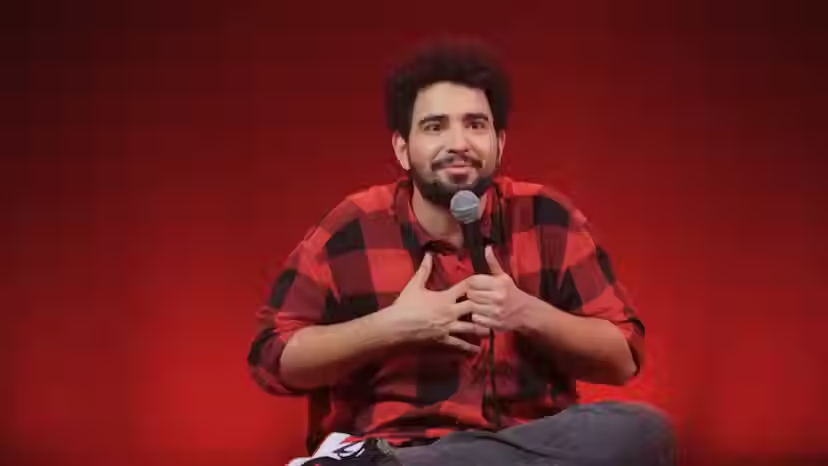
We often treat happiness like a distant destination—a place we believe we’ll finally reach once we have the perfect job, the right house, or the ideal circumstances. But attending Laksh Maheshwari’s show “Khushiya” gently challenged that belief and made me pause, reflect, and feel something deeper. I had followed Laksh Maheshwari’s work earlier, so I walked into the show with expectations. But what unfolded that evening wasn’t just storytelling—it felt like an emotional experience, almost like someone holding up a mirror to the little moments of life we usually overlook. One of the most surprising things I learned was that this show took six months to come together. And honestly, you can feel that dedication in every moment. The transitions, the emotions, the pauses—everything felt thoughtfully crafted. It wasn’t just a performance; it felt like a story that had been lived before it was told. A very special mention must go to the writer of the show, Saransh Jha. The writing is truly the backbone of this entire experience. The words weren’t just spoken—they felt felt. The way the narrative moved through ideas of different religions, touched upon atheism, and even reflected on scientific thinking was beautifully balanced. Saransh Jha deserves immense credit for creating something that speaks not only to the mind but directly to the heart. What elevated the storytelling even more was the technical execution. The subtle background music, the soft sound effects—especially the calming sound of flowing water—created an atmosphere that made you feel like you were part of the story rather than just sitting in the audience. It didn’t feel like a lecture or a performance; it felt like a shared emotional journey. I would also like to appreciate the excellent organization by the team. From the way the event was managed to how smoothly everything flowed, it reflected thoughtful planning and care for the audience experience. Every small detail—from seating to timing—made the evening feel comfortable and immersive. It’s clear the team didn’t just focus on the stage; they focused on the entire experience. But the most powerful message that stayed with me from “Khushiya” was about gratitude. In our fast-moving lives, we often ignore the “choti choti cheezein”—the little moments that quietly bring joy. We keep chasing big achievements, thinking happiness lies somewhere far ahead. But the show gently reminded us that sometimes, by constantly running after happiness, we move further away from the joy that already exists around us and within us. The evening felt soulful, respectful, and deeply moving. It reminded me that happiness is not something we eventually discover at the end of a journey—it’s something we learn to notice in the present moment. Massive respect to Laksh Maheshwari, writer Saransh Jha, and the entire team behind “Khushiya.” The months of effort, emotion, and dedication truly showed.
- Badshah's 'Tateeree' Controversy: FIR, Women's Commission Summons, and the PR Apology That's Doing Too Much Work
The song is down. The apology is out. The FIR is very much still active — and Badshah calling himself "Haryana ka beta" isn't going to make those charges disappear. What Actually Happened? Badshah dropped "Tateeree" around March 1, 2026 a Haryanvi track that went viral fast, and not for good reasons. The video featured girls in school uniforms dancing suggestively inside what appears to be a Haryana Roadways bus, with the school setting rebranded "Badshala" a riff on "Pathshala," the Hindi word for school. By March 6, the Cyber Crime Police in Panchkula had registered an FIR. The Haryana State Commission for Women issued a formal summons. Haryana Police floated the possibility of a Look Out Circular meaning they were already thinking about whether Badshah might try to leave the country. The video came down. The apology went up. The legal process moved forward anyway. One-sentence summary: A rapper released a Haryanvi track using school uniforms and minors in suggestive visuals, got hit with an FIR under the Indecent Representation of Women Act, and issued a public apology that may not be legally relevant. The Insider Take Here's what the apology tour is actually doing: it's optics management for an audience that cannot drop the charges. Badshah leaned hard on the "hip-hop diss culture" defence — framing the aggressive content as competition-aimed bars that weren't meant to target women or children. That argument has a fundamental structural problem. Diss tracks in hip-hop target named rivals. The visuals in "Tateeree" featured unnamed schoolgirls in uniform. Those are not the same creative choice, and conflating them is either a misread of the genre or a deliberate reframe. The "Badshala" branding compounds the issue. Renaming a school setting after yourself while filling it with suggestive choreography isn't subtle subversion — it's the kind of decision that looks calculated in a courtroom even if it felt like wordplay in a studio session. The swift takedown and public apology suggest his team understood the exposure immediately. But here's the math that isn't mathing: removing the video doesn't unring the bell for the Indecent Representation of Women (Prohibition) Act, 1986 or Section 296 of the Bharatiya Nyaya Sanhita. Those provisions don't have an "he said sorry" clause. Why This Matters Beyond the Headlines This case has genuine legal precedent potential — and that's the part most coverage is sleeping on. The Indecent Representation of Women Act is a 1986 statute that hasn't been stress-tested much against the era of YouTube-first music video culture. If Haryana Police file a chargesheet and this goes to court, the proceedings will force a direct legal answer to a question the industry has been dodging: does using minors in suggestive choreography within a clearly sexualised visual context constitute indecent representation, regardless of whether they're named targets? That ruling — if it comes — would immediately ripple into how music labels, independent artists, and platforms like YouTube handle pre-release review for content featuring minors or school imagery. Right now, that review is largely voluntary and inconsistently applied. A chargesheet changes the incentive structure. For Badshah specifically, this is the third-rail moment of his post-mainstream career arc. He's been in commercial pop territory for years — the controversy with FWICE over the US tour sponsorship was geopolitical noise that his team neutralised with a statement. This one is content-level and involves children. Sponsors, brand partnerships, and future platform deals will be watching the March 13 HSCW hearing very closely. What Fans Are Missing Everyone's focused on the apology. Nobody's talking about the Look Out Circular. LOCs aren't casually initiated. Haryana Police signalling they were beginning the LOC process days after the FIR suggests this moved up the internal priority chain faster than a standard obscenity case. That's either prosecutorial seriousness or political pressure — possibly both, given that the Haryana State Commission for Women took suo motu cognisance, meaning they didn't wait for a complaint to act. Also quietly being examined: whether the production team obtained proper permissions to film inside what appears to be a Haryana Roadways bus and a government school setting. If they didn't, that's a separate administrative and legal exposure that has nothing to do with lyrical content — and it would implicate producers and the label, not just Badshah. The "Haryana ka beta" framing in his apology is also doing a lot of cultural heavy lifting. Positioning himself as a son of the region who made a mistake is a direct appeal to regional identity over institutional process. Whether that lands depends entirely on whether the HSCW chairperson Renu Bhatia is in the business of accepting cultural apologies as legal mitigation — and nothing in her public statements suggests she is. Quick Facts Song: "Tateeree" by Badshah Release date: ~March 1, 2026 (YouTube; now removed) Genre: Haryanvi hip-hop FIR filed: March 6, 2026 — Cyber Crime Police Station, Panchkula Charges: Sections 3 & 4, Indecent Representation of Women (Prohibition) Act, 1986; Section 296, Bharatiya Nyaya Sanhita (obscene acts and songs) HSCW summons date: March 13, 2026 Look Out Circular: Process initiated by Haryana Police Badshah's response: Public apology on Instagram; song removed from all platforms Controversy level: HIGH — active FIR, state commission proceedings, LOC process ongoing Prior controversy: 2025 FWICE dispute over Pakistan-linked tour sponsorship Fans Also Asked Q: Why was Badshah's song "Tateeree" removed from YouTube? "Tateeree" was removed following complaints to Haryana authorities and subsequent police action, including an FIR filed on March 6, 2026. Badshah also voluntarily announced its removal as part of his public apology — though whether the takedown was truly voluntary or police-pressured remains ambiguous in public reporting. Q: What are the charges against Badshah in the "Tateeree" FIR? Haryana Police invoked Sections 3 and 4 of the Indecent Representation of Women (Prohibition) Act, 1986, and Section 296 of the Bharatiya Nyaya Sanhita, which covers obscene acts and songs. These aren't minor provisions — conviction under the 1986 Act carries imprisonment up to two years for a first offence. Q: What is the Haryana State Commission for Women's role in the Badshah case? The HSCW took suo motu cognisance — meaning it acted on its own initiative without waiting for a formal complaint — and summoned Badshah to appear on March 13, 2026. The commission's involvement signals institutional-level concern, not just public outrage, and its recommendations could influence how the police investigation is framed. Q: Will Badshah's apology help him avoid legal consequences? Legally, almost certainly not — the FIR has been registered and the statutory process runs independently of public apologies. Where the apology may matter is in shaping public and media perception ahead of the HSCW hearing and any eventual court proceedings, where character and intent can be contextual factors even if they're not defences.
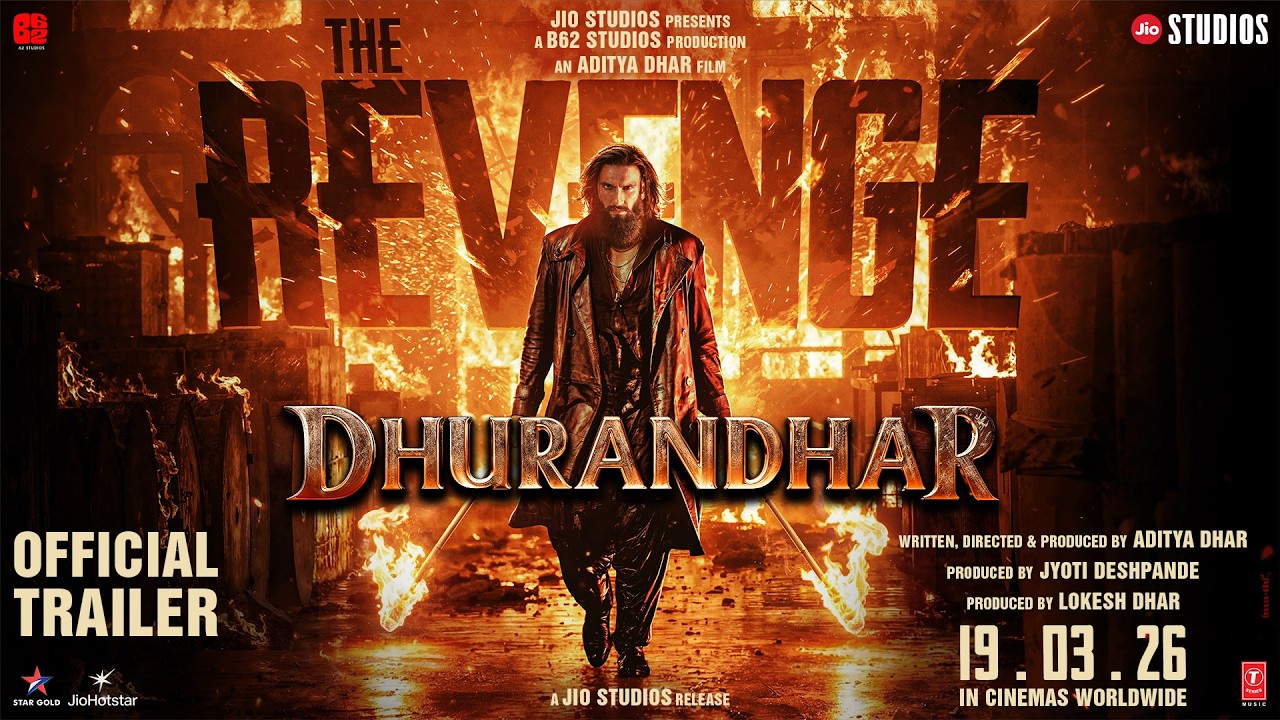
- Jio Studios and B62 Studios’ Dhurandhar The Revenge Trailer Revives Nearly Two Decade-Old Punjabi Pop Song Ari Ari in its BGM, Brings Back Early-2000s Hit by Bombay Rockers
The most-awaited trailer of Dhurandhar The Revenge has finally been released, and it has created massive excitement among fans. Headlined by Ranveer Singh, the spy action thriller instalment raises the stakes with intense action and a gripping revenge story. In addition to the powerful visuals and compelling performances, the trailer’s background score ‘Ari Ari’ is receiving special attention on social media. The revived and remixed version of Ari Ari is composed, arranged and programmed by Shashwat Sachdev with pumped-up vocals by Navtej Singh Rehal (Bombay Rockers), Khan Saab, Jasmine Sandlas and Sudhir Yaduvanshi. The track’s catchy rap is performed and written by Reble and the American rapper and singer, Token. With lyrics penned by Irshad Kamil and Bombay Rockers, and score produced by Adam Lucas, Ari Ari adds to the fever-pitch of Dhurandhar The Revenge’s high-intensity action. Not many know that the original Ari Ari was created by the Danish-Indian music duo Bombay Rockers and was released around 2007 as part of their debut album Introducing. The track features a unique mix of Punjabi folk music and modern beats, and was inspired by the traditional Punjabi folk tune Baari Barsi, which was tuned with hip-hop style rhythms. This refreshing combination made the song a standout during the early-2000s Punjabi-pop era. Now, roughly two decades later, the viral track has been brought back in Aditya Dhar’s Dhurandhar The Revenge trailer. This remixed version carries the spirit of the original song, but elevates it with modern production and rap elements - and that is exactly why it fits with the high-intensity action of the film. Jio Studios presents a B62 Studios production, an Aditya Dhar Film - Dhurandhar The Revenge, will release in five languages - Hindi, Tamil, Telugu, Malayalam, and Kannada. The high-octane spy-action thriller, written, directed and produced by Aditya Dhar and produced by Jyoti Deshpande and Lokesh Dhar, arrives in theatres worldwide on 19 March 2026, on the occasion of Gudi Padwa and Ugadi, and ahead of Eid. The story of unknown men unfolds in cinemas worldwide on 19 March 2026.
- The Architect of drink.niro: How Vedant is Rewriting the Creator Playbook
Sitting across from Vedant at Subko Coffee Roasters in Bandra, listening to the ambient hum of espresso machines and startup pitches, you quickly realize he isn't just launching a beverage. He is actively architecting an audience. For Vedant, the realization hit early: in today’s saturated digital ecosystem, a great product without distribution is just inventory gathering dust. "The idea for drink.niro both the product and the content page came into being simultaneously in October 2025," Vedant explained, leaning into the conversation. "From the very beginning, our intention has been to build a product while organically and creatively sharing our story as brothers. We understood early on that distribution is the real challenge today, and having a free channel to build and engage an audience is something we want to fully leverage." Instead of playing the standard social media game, Vedant engineered a pivot. He looked at the endless scroll of "aesthetic videos with an atmospheric voiceover" and saw a format that forged only a superficial bond between creator and consumer. His solution? The micro-drama. Drawing heavily from the structural DNA of shows like The Office, Vedant championed a format that elevates digital journaling into something closer to active story living. By crafting short, polished skits inspired by his and his brother Nirvaan's actual experiences, Vedant is inviting the audience into an episodic architecture rather than just a chaotic feed. "We believe micro-drama is essentially storytelling taken to the next level," he noted. It’s a mechanism to build genuine connection while keeping the narrative highly engaging and distinctly theirs. To maintain control over this narrative flow, Vedant organizes the content into distinct "seasons." Each season acts as a marker, reflecting a specific phase of their journey and signaling a shift in the creative format. It allows him to stay fresh and intentional, letting organic collaborations weave into the storyline naturally as they meet people along the way. That intentionality bleeds into how Vedant handles the business of being a creator. He is notoriously selective about collaborations, rejecting the standard playbook of trading shoutouts for reach. "Our priority is to position the brand correctly and build the right associations from day one," he said firmly. "We focus on collaborations that genuinely align with and strengthen our story." Behind the scenes, Vedant is a pragmatist about the grind of production. Scripting, shooting, and editing a micro-series is heavy lifting. To prevent burnout and keep the ecosystem dynamic, he strategically separates the high-production primary series from quicker, secondary pieces of content. He draws an equally hard line when it comes to his own identity. The drink.niro account is the shared story of the co-founders in the trenches. Vedant’s personal account remains strictly individual and public a clean boundary that prevents his personal persona from being entirely swallowed by the brand he is building. As our coffees ran empty and the afternoon light shifted across the courtyard, I asked him the one question every creator eventually has to answer: How do you plan to expand this micro-series in the future? Vedant just smiled, the quintessential strategist to the end. "Read our bio."
- Na Jaane Kaun Aa Gaya Ending Explained: Why Kaushal’s Final Choice is a Cultural Reset for Infidelity Plots
Everyone is spiraling over the lack of a screaming match in the climax of Na Jaane Kaun Aa Gaya, but they are completely missing the point. Ditching the standard "cheating wife" melodrama for a quiet, ego-shattering confrontation is a calculated risk by the director—and here is exactly why it works. What Actually Happened? Following his wife Tina’s death, Kaushal discovers undeniable proof of her extramarital affair with Veer. Instead of a soap-opera face-off, the climax delivers a grounded, raw conversation between the two men. Kaushal realizes his own emotional unavailability created the vacuum that Veer filled. Ultimately, Kaushal walks away, choosing emotional closure and self-reflection over revenge, while Veer is left alone with his guilt. The Insider Take The math isn't mathing for audiences conditioned to expect broken glass and monologue-heavy villain eras from betrayed husbands. The studio gave this film serious sleeper hit energy by making Veer a guilt-ridden human rather than a home-wrecking caricature. Kaushal demanding to know the "missing" parts of Tina rather than just throwing punches is the absolute antithesis of cheap fan service. It’s a massive flex by the writers that treats the audience like adults. Why This Matters for the Genre If audiences embrace this nuanced take, it’s a cultural reset for how Indian cinema handles adultery and modern relationships. We are finally moving past the "cheating = evil" binary. However, if the general audience rejects this quiet acceptance, nuanced relationship dramas will become box office poison, and studios will immediately revert to churning out OTT thrillers where the cheating spouse is just a murder victim in Act 1. What Fans Are Missing You were probably waiting for a massive plot twist, but the true reveal is right in the title. Na Jaane Kaun Aa Gaya isn’t just about Veer stepping into the marriage. The real intruder living rent-free in their relationship was the unspoken loneliness, the digital-age emotional distance, and Kaushal's own unchecked ego. The ending isn't about forgiving Veer; it's about Kaushal acknowledging his own blind spots to finally grieve Tina as a flawed, whole person. QUICK FACTS: Film: Na Jaane Kaun Aa Gaya Core Conflict: Kaushal discovers his late wife Tina had an affair with a man named Veer. The Climax: A quiet, reflective dialogue between husband and lover; no violence or melodrama. Resolution: Kaushal chooses emotional acceptance; Veer is left with his guilt. Central Theme: Modern loneliness, emotional unavailability, and the anatomy of a flawed marriage. Fans Also Asked Q: Does Na Jaane Kaun Aa Gaya justify cheating? A: No, the film doesn't glorify the affair; it dissects it. Veer is not rewarded with a happy ending but is left with nothing but memory and guilt, proving that crossing boundaries comes at a heavy emotional cost. Q: Who is the villain in Na Jaane Kaun Aa Gaya? A: There is no traditional villain, which is exactly why some viewers are conflicted. The true antagonist is the emotional distance, lack of communication, and unspoken needs between Kaushal and Tina. Q: What does the title Na Jaane Kaun Aa Gaya mean? A: The title translates to "Who knows who arrived," superficially referring to Veer. Metaphorically, it points to the silent creep of insecurity and loneliness that invaded the marriage long before the actual affair started. Q: How does Na Jaane Kaun Aa Gaya end? A: The movie ends with Kaushal confronting Veer to understand Tina's emotional truth, not to destroy him. Kaushal achieves closure by accepting their flawed marriage, allowing him to move forward with maturity rather than bitterness.
- Charak: Fair of Faith Ending Explained: The Sukumar Twist Everyone Missed (And the PR Cover-Up Inside the Script)
Everyone is hyper-fixated on the Aghori jump scares in Charak: Fair of Faith, but let's talk about what no one is saying: the real horror was the political machinery running PR damage control over dead kids. Here is why the ambiguous climax isn't just a cinematic choice—it's a direct indictment of systemic complicity that will leave you gagged. What Actually Happened? The disappearance of Birsa and Kaanu during the Chandpur mela wasn't a supernatural curse, but a calculated human sacrifice masked by local superstitions. While the village pointed fingers at the thug Jagan over an unpaid debt or feared the occult Aghoris, the actual crime was driven by the desperate myth of "child for child" sacrifices to cure infertility. By the final act, Police Officer Subhash Sharma uncovers the truth, but the political pressure to protect the religious pride and profitability of the Charak mela forces a massive cover-up, leaving the community to brush the atrocities under the rug. The film closes not with a ghost, but with real-life newspaper clippings of occult crimes happening in modern-day India. The Insider Take The math isn't mathing when it comes to the local police's initial timeline, and that is exactly the point. The delay in investigating the missing kids isn't a plot hole; it's systemic plot armor for the politicians running the festival. The film gives us massive sleeper hit energy by ditching the lazy demonic tropes and giving us a villain era rooted entirely in community greed and blind faith. Even the "educated" characters like Subhash and his wife Shefali are shown relying on babas, proving that superstitious desperation doesn't care about your tax bracket. Why This Matters for the Genre If audiences actually embrace this bleak, unresolved climax, it could be a cultural reset for regional thrillers, proving that we don't need spoon-fed, morally sanitized endings. However, if the general audience pushes back against the lack of a heroic resolution, this hyper-realistic brand of bleakness could easily become box office poison for future pitches. The studio took a massive risk by prioritizing a disturbing sociological truth over a traditional heroic payoff. What Fans Are Missing You were probably too busy spiraling over that brutal final newspaper montage to notice the deliberate ambiguity surrounding Sukumar. The script leaving the childless man's exact involvement unresolved isn't lazy writing—it's an Easter egg overload of thematic dread. The film is subtly telling you that the line between a grieving, desperate victim and a complicit perpetrator is razor-thin when blind faith takes the wheel. QUICK FACTS: Film: Charak: Fair of Faith Core Mystery: The disappearance of two boys, Birsa and Kaanu. The Real Threat: Human superstition and "child for child" sacrifice, not the supernatural. Key Suspects: Jagan (the loan shark), the Aghoris, and desperate childless locals like Sukumar. The Ending: A politically motivated police cover-up, followed by real-world newspaper clippings of occult crimes in India. Fans Also Asked Q: Is Charak: Fair of Faith based on a true story? A: While the specific characters are fictional, the film is heavily grounded in reality, closing with actual newspaper reports of human sacrifice. It's a terrifying reminder that these occult practices are still active today. Q: Who really kidnapped the children in Charak? A: The kids were taken as part of a real, planned crime orchestrated by individuals using the mela's "child for child" superstition as a cover. The film leaves the exact identities slightly ambiguous to highlight that the entire community's blind faith is the true culprit. Q: Why did the police cover up the truth at the end? A: Officer Subhash Sharma is forced to manage the narrative due to intense political pressure to protect the Charak mela's image and local religious pride. It is a textbook example of institutions choosing reputation and revenue over justice. Q: Was Sukumar involved in the sacrifice? A: The film deliberately refuses to confirm or deny the full extent of Sukumar's involvement. This calculated ambiguity forces the audience to question how far a desperate, childless person might go when enabled by a toxic belief system.
- Dhurandhar 2 Trailer Explained: The 4-Hour Runtime Red Flag and the Plot Twist Everyone Missed
Everyone is gagged by Ranveer Singh’s Batman-esque rooftop shot in the new Dhurandhar 2 trailer, but let’s talk about the real elephant in the room: that rumored 235-minute runtime. If Aditya Dhar isn’t careful, this highly anticipated sequel is going to trade tight espionage mechanics for exhausting political pandering—and in today's theatrical climate, that is a fast track to box office poison. What Actually Happened? Aditya Dhar finally dropped the trailer for Dhurandhar 2: The Revenge, officially claiming the 2026 box office landscape. The footage teases Jaskirat’s (Ranveer Singh) bloody origin story, an all-out gang war for control of Lyari following Rehman Dakait's death, and the ultimate hunt for Major Iqbal (Arjun Rampal). The Insider Take Shashwat Sachdev’s original score is doing the heavy lifting here, proving why he is a needle in a haystack for modern Bollywood. Instead of relying on reverse-engineered hype and recycled singles, the trailer edits on-beat to a fresh, aggressive soundscape (including a brilliant spin on "Ari Ari"). But the pacing of a 3-hour-and-55-minute film is a massive gamble. The first film succeeded because the political messaging was carefully dispersed. If Dhar doubles down on appeasement—like integrating demonetization as a magical cure for terrorism—the screenplay will drag. Momentary cheers for political callbacks are a big price to pay if you steer away from the core revenge plot. Why This Matters for the Box Office At nearly four hours long, multiplexes are going to bleed daily show counts. It demands absolute 100% occupancy to shatter opening weekend records. If word-of-mouth spirals because the second half becomes an indulgent political monologue instead of a tight spy thriller, the film’s long-term legs will get cut off at the knees. The stakes are massive: if Dhar pulls this off, he gets a blank check for The Immortal Ashwatthama. If it drags, studios will tighten the leash. What Fans Are Missing You were too busy watching Lyari burn to notice the actual plot armor cracking. That brief shot of Sara Arjun raising her gun isn't a random action beat. The framing heavily implies a psychological betrayal—likely manipulated by her husband to the point where she might kill her own father. Furthermore, the studio deliberately hid Bade Sahab. Keeping the ultimate Dawood Ibrahim parallel out of the marketing is calculated fan service restraint, designed entirely to protect day-one ticket sales from spoiler leaks. QUICK FACTS: Movie: Dhurandhar 2: The Revenge Director: Aditya Dhar Music Composer: Shashwat Sachdev Rumored Runtime: 3 hours 55 minutes Key Factions: Uzair Baloch/Hamza vs. Arshad Pappu (Gang war for Lyari) Status: Expected to be the highest-grossing Indian film of all time. Fans Also Asked Q: What is the plot of Dhurandhar 2? A: The sequel follows Jaskirat's ultimate mission to annihilate the rogue groups of Lyari and assassinate Major Iqbal. Expect a deep dive into Jaskirat's origin story, showcasing how personal tragedy and radicalized violence pushed him into Project Dhurandhar. Q: What is the runtime of Dhurandhar 2? A: Dhurandhar 2 has a heavily rumored runtime of 3 hours and 55 minutes. While this allows for epic, sprawling storytelling, it is a logistical nightmare for theaters trying to maximize daily screenings. Q: Who is the villain in Dhurandhar 2? A: Arjun Rampal returns as the primary antagonist, Major Iqbal, alongside a power vacuum in Lyari fought over by gangsters like Arshad Pappu and Uzair Baloch. The climax is setting up to be a brutal, hand-to-hand war of attrition. Q: Will Bade Sahab be revealed in Dhurandhar 2? A: The trailer deliberately hides the identity and casting of Bade Sahab. The PR strategy here is obvious: withhold the biggest cameo to ensure opening weekend theaters are packed before the timeline gets flooded with leaks.