Search Results
Search this site
5945 results found with an empty search
- Badshah & Isha Rikhi Leaked Photos: Answering the 3 Searches Everyone is Googling (Hint: It’s a PR Stunt)
You’re typing "Badshah wedding proof" into the search bar because, deep down, you know the math isn't mathing on these highly saturated, perfectly lit "accidental" photo leaks. Let's dissect the exact search intents driving this viral fever dream and why the PR team is counting on you to keep clicking while they prep the music video drop. Intent 1: "Are Badshah and Isha Rikhi Married?" (The PR Spin) The number one search right now is people looking for a marriage certificate, but what they are actually finding is a masterclass in manufactured suspense. The photos dropped from her mother's account, giving the illusion of an intimate, authentic leak. But in the entertainment industry, when a fiercely private rapper suddenly has high-res, traditional wedding snaps trending without a formal announcement, it screams "promotional rollout." It’s not an accidental leak; it’s a calculated soft-launch living rent-free on your timeline. Intent 2: "Who is Isha Rikhi?" (The Star-Making Metric) This search intent is where the real money is being made. Isha Rikhi has been grinding in the Punjabi industry since 2013 (Jatt Boys Putt Jattan De), but national audiences are only now frantically googling her filmography. By tying her directly to a household name through a high-stakes visual, her digital footprint has exploded overnight. This isn't just a rumor; it's a strategic cultural reset for her brand, positioning her for mainstream Bollywood or a massive pan-India music video. Intent 3: "Badshah First Wife Divorce" (The Image Rebrand) Audiences are digging up his 2020 separation from Jasmine Masih to make sense of the new timeline. Why does this matter? Because Badshah is currently in need of an image pivot. Transitioning from the elusive, post-divorce hip-hop mogul back to a grounded, traditional family man is a massive narrative shift. Whether Isha is a real-life partner of four years or just a co-star, these visuals serve as PR damage control, softening his edges for the mainstream family demographic. The Insider Take: Why This Might Backfire If this turns out to be a music video, it’s giving major sleeper hit energy for a PR disaster. Audiences are increasingly fatigued by the "fake wedding" trope. Crying wolf with sacred rituals (the chooda, the lehenga) to bait clicks usually results in immediate backlash the second the Spotify link drops. If it's real, the 2023 gurdwara rumors they aggressively denied make them look historically dishonest. Either way, the rollout is a calculated risk. 📌 QUICK FACTS: Primary Search Intent: Verifying the authenticity of the wedding photos. Entities Trending: Badshah, Isha Rikhi, Jasmine Masih (historical context). The "Leak" Source: Poonam Rikhi (Isha's mother) social media account. Industry Consensus: High probability of a promotional stunt for an upcoming collaboration, given the lack of legal confirmation. Fans Also Asked Q: Are the Badshah and Isha Rikhi wedding photos real? A: There is zero official confirmation that a legal marriage took place. Until formal documentation or a joint statement is released, treat these highly stylized photos as a promotional asset or a trial-balloon PR stunt. Q: Who is Badshah’s rumored new wife, Isha Rikhi? A: Isha Rikhi is a Punjabi actress and model with a decade-long career in regional cinema, starting in 2013. This viral moment is serving as her unofficial introduction to the pan-Indian, mainstream Hindi-speaking audience. Q: Did Badshah get divorced from his first wife? A: Yes, Badshah separated from his first wife, Jasmine Masih, in 2020. She currently resides in London with their daughter, Jessemy, a fact fans are currently searching to establish a timeline for the Isha Rikhi relationship. Q: What is Badshah's new song with Isha Rikhi? A: While unannounced, industry insiders suspect these leaked photos are the precursor to a massive music video release. If the track drops next week, consider the "secret wedding" myth officially busted.
- Aadu 3: One Last Ride Ending Explained: Why Shaji Pappan's Time-Travel Twist Is Actually Franchise Poison
Everyone is hyping the post-credit multiverse twist in Aadu 3: One Last Ride - Part 1, but let's talk about what no one's saying: turning a slapstick comedy into a sci-fi epic is a desperate attempt to mask terrible writing. Here is why splitting this narrative into two parts is a calculated PR gamble that’s already spiraling out of control. What Actually Happened? Aadu 3 abandons its grounded goat-chasing roots and throws Shaji Pappan and his gang across 1750 CE, 2026 CE, and 2370 CE to secure a time-manipulating artifact called the Celestial Stone. While the gang manages to "fix" their immediate timeline by destroying a key bridge—with Shaji’s 18th-century royal variant sacrificing himself—the victory is fake. A post-credit glitch reveals an alternate timeline variant of a core character as the ultimate mastermind, leaving Shaji stranded and screaming in a dystopian 2370 CE hub. The Insider Take This isn't a "cultural reset"; it's an exhausting fever dream of sequel bloat. Trading the franchise's trademark absurdity for a Marvel-wannabe multiverse is giving major "we ran out of ideas" energy. The math isn't mathing when you need a magical McGuffin, Tipu Sultan's army, and a Trump visit cameo just to pad the runtime. They took a beloved, character-driven comedy and buried it under CGI and convoluted lore just to justify a two-part theatrical release. Why This Matters for the Franchise If Part 2 doesn't miraculously stick the landing, this sci-fi pivot is going to be undeniable box office poison. Pappan’s eternal bad luck used to be the comedic engine of the series; now, it’s just a crutch for lazy plot armor. The creators are betting the farm on fan service and Jayasurya's legacy to carry a bloated narrative, but audiences are already feeling the franchise fatigue. Bigger does not always mean better. What Fans Are Missing Look past the Easter egg overload in the 2370 CE timeline. That post-credit variant reveal isn't a genius plot twist; it is a PR spin designed specifically to secure advance bookings for Part 2. The real villain here isn't "The Organization"—it's a production committee that decided to stretch a standard 120-minute comedy script into a multi-era cinematic universe just to double the ticket sales. QUICK FACTS: Film: Aadu 3: One Last Ride - Part 1 Core Cast: Jayasurya (Shaji Pappan) Plot Device: The Celestial Stone (Time-travel/Reincarnation) Timelines Explored: 1750 CE, 2026 CE, and 2370 CE Ending: Cliffhanger with Shaji trapped in a futuristic 2370 CE hub. Post-Credit Scene: An alternate variant of a core character is revealed as the true villain. Fans Also Asked Q: What happens at the end of Aadu 3 Part 1? A: Shaji Pappan successfully alters the past to secure the Celestial Stone, but the timeline glitches, trapping him in a futuristic 2370 CE hub. It is a manufactured cliffhanger designed explicitly to force audiences to buy a ticket for Part 2. Q: Who is the real villain in Aadu 3? A: While the shadowy "Organization" and 18th-century commanders act as the primary antagonists, the post-credit scene reveals a multiverse variant of a core character pulling the strings. It is a textbook sci-fi trope doing heavy lifting for an overstuffed script. Q: Will there be an Aadu 3 Part 2? A: Yes, Part 1 ends on a deliberate "do-or-die" cliffhanger, entirely setting up a second installment. Whether the core audience will endure another exhausting, time-hopping chapter remains the real question. Q: Why did Aadu 3 introduce time travel? A: The creators used the Celestial Stone to escalate the franchise's stakes from local goons to a sprawling, multi-century epic. However, this pivot is widely viewed by critics as a classic case of sequel bloat, sacrificing the original charm for generic spectacle.
- TOP 20 MOST PAPPTASTIC MARCH 2026 EDITION
A reverse countdown from #20 to #1 powered by real engagement data from India’s fastest organically growing entertainment publication on Instagram. No PR. No paid placement. Just what the audience cared about. Every month, AltBollywood’s Instagram page (@alt_bollywood) puts out content about Indian cinema Bollywood, Tollywood, Kollywood, OTT, and everything in between. Every month, Instagram’s algorithm decides which posts reach millions and which fade. We don’t control that. The audience does. PAPPTASTIC is our way of reading that signal. On the 20th of every month, we crunch every post from the last 30 days, extract the engagement numbers, and rank the 20 people who drove the most audience action. No editorial bias. No PR placements. Just what the data says. Why This Data Matters: The AltBollywood Benchmark Let’s address the elephant in the room. AltBollywood is a 104K-follower page. Filmfare has millions. Bollywood Hungama has millions. PinkVilla has millions. So why should anyone care about our engagement numbers? Because reach without engagement is vanity, and engagement without organic distribution is paid media. This month, @alt_bollywood reached approximately 57 million unique Indian Instagram users. Organically. No boosted posts. No paid promotions. No influencer seeding. Our median engagement rate of 7.19% across 31 posts is 2.5–7x the industry benchmark of 1–3% for entertainment pages in our follower range. Our top post hit 1,123.61% ER meaning its interactions were more than 11 times our entire follower count. That doesn’t happen by accident. It happens because we speak the algorithm’s language. We know what Indian entertainment audiences engage with, when they engage, and how content needs to be packaged for Instagram’s distribution engine to amplify it to Explore, Reels, and Hashtag surfaces. Legacy entertainment publications Filmfare, Stardust, Bollywood Hungama were built for a print-to-digital era. Their Instagram presence is an extension of a legacy brand. AltBollywood was born on Instagram. We are algorithm-native. We don’t repurpose content for the platform; we create content that the platform was designed to distribute. That’s why AltBollywood is India’s fastest organically growing entertainment publication on Instagram. And that’s why PAPTASTIC 20 on 20 isn’t just a ranking it’s proof of concept. Every number below is a data point confirming that organic, algorithm-first content strategy outperforms legacy reach when it comes to actual audience engagement. Filmfare can tell you who won an award. We can tell you who India’s internet actually cared about this month and prove it with numbers. The Countdown: #20 → #1 We’re doing this in reverse. The build-up matters. Starting at #20, ending at the person who broke the algorithm this month. #20 Imtiaz Ali TOTAL ENGAGEMENT 1,989 AVERAGE ER 1.93% SENTIMENT Positive 67% | Neutral 33% | Negative 0% The only filmmaker on the entire list. At #20 with 1,989 engagement and 1.93% ER, Imtiaz Ali’s presence is modest in volume but significant in what it represents: a cinephile audience segment that engages with creative legacy content, not celebrity spectacle. The people engaging here are core entertainment enthusiasts, not casual scrollers. Quality over quantity. #19 Allu Arjun TOTAL ENGAGEMENT 2,738 AVERAGE ER 2.70% SENTIMENT Positive 67% | Neutral 33% | Negative 0% The Pushpa star at #19 a data point that challenges assumptions about who “should” be trending. His appearance at the VD-Rashmika wedding reception in a pink-gold sherwani. At 2.70% ER with 25% negative sentiment, the engagement was modest. He’s a guest in someone else’s story this month the ViRosh wedding narrative — rather than the driver. When the Pushpa franchise returns to active promotion, expect a very different number. #18 ALIA BHATT TOTAL ENGAGEMENT 2,859 AVERAGE ER 2.78% SENTIMENT Positive 93% | Neutral 7% | Negative 0% A surprise at #18. Alia Bhatt — arguably India’s biggest active female star — generated 2,859 engagement from a birthday tribute post. That’s a 2.78% ER, below both the account median (7.19%) and the industry benchmark floor (3%). #17 MALAIKA ARORA TOTAL ENGAGEMENT 4,995 AVERAGE ER 4.85% SENTIMENT Positive 75% | Neutral 25% | Negative 0% A legacy-and-career profile post — from MTV VJ days to Bollywood icon status — paired with the Thama casting announcement alongside Ayushmann Khurrana, Rashmika Mandanna, and Nawazuddin Siddiqui. 4.85% ER from one post with 75% positive sentiment. Malaika’s engagement pattern is evergreen rather than event-driven. The fitness-icon status and cultural nostalgia around “Chaiyya Chaiyya” keeps her in a steady engagement band. Not a spike performer, but a consistent anchor — the kind of profile that holds a Top 20 spot month after month without needing a major news hook . #16 MURNAL THAKUR TOTAL ENGAGEMENT 8,446 AVERAGE ER 4.10% SENTIMENT Positive 57% | Neutral 43% | Negative 0% At 4.10% ER, she’s just below the account median — but the signal here is volume of upcoming projects rather than a single viral moment. Mrunal is a “slow burn” trending presence: consistently appearing, building familiarity, positioned for a breakout month whenever one of those films drops a trailer. #15 RANVEER SINGH TOTAL ENGAGEMENT 8,502 AVERAGE ER 4.13% SENTIMENT Positive 100% | Neutral 0% | Negative 0% 100% positive sentiment, but at 4.13% average ER — below the account median of 7.19%. The Dhurandhar 2: The Revenge promotional blitz, anchored by the “Aari Aari” dance performance at the music launch, dominated Reels and Shorts days before the March 19 release. Here’s the data insight: pure film promotion, even from a megastar like Ranveer, generates lower ER than weddings, controversies, or candid moments. Ranveer’s 4.13% against the ViRosh wedding’s 15% or Tamannaah’s candid 344% tells that story clearly. Audiences reward the unscripted. #14 YO YO HONEY SINGH TOTAL ENGAGEMENT 10,543 AVERAGE ER 10.24% SENTIMENT Positive 100% | Neutral 0% | Negative 0% The only person on this list with 100% positive sentiment AND above-median ER. Not a single negative signal. The “My Story — India Chapter” comeback tour culminated in a sold-out 25,000-capacity show at Indira Gandhi Indoor Stadium. A clip of an on-stage moment with a young fan during “Lungi Dance” went viral, and the detail that parents were in attendance added an emotional dimension. 10.24% ER from one post, 100% positive — the cleanest sentiment score possible. #13 SIDDHARTH TOTAL ENGAGEMENT 14,500 AVERAGE ER 14.08% SENTIMENT Positive 60% | Neutral 40% | Negative 0% Co-attributed with Aditi Rao Hydari — same post, same numbers. But the keyword that stands out in Siddharth’s profile is “traditional.” The ochre kurta and waistcoat styling at a Mumbai wedding drove a fashion-engagement layer distinct from Aditi’s professional-project buzz. Rowdy & Co and Lust Stories 3 updates kept him professionally relevant, but the data says the audience engaged primarily with the couple and style angle. 14.08% ER from one post is strong standalone performance. #12 ADITI RAO HYDARI TOTAL ENGAGEMENT 14,500 AVERAGE ER 14.08% SENTIMENT Positive 60% | Neutral 40% | Negative 0% 14.08% ER from a single post — nearly double the account median. The “Adu-Siddu” fan narrative continues to drive engagement as newlywed couple content with Siddharth at the Bhagchandka-Lakhani wedding pulled consistent interest. Beyond the personal angle, a multi-project buzz window was open: Gandhi Talks release, Lioness announcement, and Lust Stories 3 confirmation. When personal and professional timelines converge like this, engagement compounds. One post did the work of three. #11 PRATIBHA RANTA TOTAL ENGAGEMENT 19,106 AVERAGE ER 9.27% SENTIMENT Positive 67% | Neutral 33% | Negative 0% Identical numbers to Ibrahim Ali Khan — because this is the same content pairing. But the narrative around Pratibha is different. She’s here off the back of Netflix’s Accused streaming dominance, not a surname. The pairing of an OTT breakout star with a star-kid debutant on the same ramp created a “new generation” narrative that resonated with Gen Z audiences. Her engagement is earned through platform credibility (Netflix hit) rather than inherited visibility. Two different paths to the same spotlight. #10 IBRAHIM ALI KHAN TOTAL ENGAGEMENT 19,106 AVERAGE ER 9.27% SENTIMENT Positive 67% | Neutral 33% | Negative 0% The “ones to watch in 2026” narrative is working. A ramp walk alongside Pratibha Ranta, combined with Diler theatrical debut anticipation and the Saif Ali Khan star-kid lineage, drove curiosity-based engagement from both Bollywood and fashion audiences. At 9.27% ER, he’s above the account median (7.19%) with zero negative sentiment — a clean entry into the Top 10. The engagement is anticipatory. The audience is watching and waiting. #09 SALMAN KHAN TOTAL ENGAGEMENT 34,580 AVERAGE ER 16.79% SENTIMENT Positive 57% | Neutral 43% | Negative 0% Zero negative sentiment. 16.79% average ER from wedding appearance spottings and the Battle of Galwan announcement. The Salman Khan engagement pattern: casual public sightings consistently outperform most celebrities’ planned content. Galwan signals his return to intense, patriotic roles — adding anticipation-based engagement on top of the star-power virality of simply being spotted at a wedding. At #9 with 34,580 total engagement from just 2 posts with no major release window, this is pure baseline star power. #08 VIJAY DEVERAKONDA TOTAL ENGAGEMENT 46,348 AVERAGE ER 15.00% SENTIMENT Positive 42% | Neutral 50% | Negative 8% Mirror numbers to Rashmika — identical 46,348 total engagement and 15.00% ER — because they were covered as a unit this month. The February 26 Udaipur ceremony, Taj Krishna Hyderabad reception (attended by Allu Arjun, Chiranjeevi), and the viral fan food-service video created multi-week engagement. The Ranabaali announcement added professional buzz beyond the wedding narrative. Personal milestone + career update + A-list guest appearances made this the most content-dense celebrity event of the month #07 RASHMIKA TOTAL ENGAGEMENT 46,348 AVERAGE ER 15.00% SENTIMENT Positive 42% | Neutral 50% | Negative 8% The “ViRosh” wedding was this month’s longest-running positive engagement narrative. Udaipur ceremony, Hyderabad reception at Taj Krishna, TTD temple visit, and a viral fan food-service video — four distinct content moments across 3 posts. Cross-referencing matters: Rashmika also appeared in Allu Arjun’s reception post as a Pushpa co-star reunion, pulling Tollywood audiences. 15% ER across 3 posts with only 8% negative sentiment = consistently warm engagement. No controversy, no single spike — just sustained interest in a story the audience chose to follow. #06 NICK JONAS TOTAL ENGAGEMENT 57,969 AVERAGE ER 28.14% SENTIMENT Positive 56% | Neutral 44% | Negative 0% Nick doesn’t appear in a single solo post. His entire engagement footprint — 57,969, identical to Priyanka’s — is co-attributed. He appears in the same Academy Awards and Vogue India posts, amplifying reach toward the international/crossover audience segment. The sacred kalava thread detail at the Oscars gave this content a cultural dimension beyond standard red carpet coverage. That’s the micro-detail that drives Indian audience engagement with NRI celebrity content: pride in visible cultural identity on a global stage. #05 PRIYANKA CHOPRA TOTAL ENGAGEMENT 57,969 AVERAGE ER 28.14% SENTIMENT Positive 56% | Neutral 44% | Negative 0% Two catalysts firing in quick succession. First: the 98th Academy Awards red carpet in a feathered Dior gown — global fashion virality. Second: the Vogue India × Forces of Fashion keynote in Mumbai. The Varanasi (SSMB29) casting announcement alongside Mahesh Babu and S.S. Rajamouli added professional fuel. Zero negative sentiment across both posts. At 28.14% average ER — roughly 4x the account median — Priyanka’s performance is strong, powered by two separate news hooks rather than a single viral moment. #04 TRISHA TOTAL ENGAGEMENT 178,026 AVERAGE ER 57.61% SENTIMENT Positive 6% | Neutral 17% | Negative 77% The highest negative sentiment on the entire list: 77%. Almost all of Trisha’s engagement this month is derivative of the Thalapathy Vijay controversy. Her public appearance alongside Vijay at a Chennai wedding reception their first joint sighting after Sangeetha’s divorce filing, ignited relationship speculation across South Indian fan bases. Across 3 posts, the keyword overlap with Vijay’s profile is near-total. Remove the Vijay storyline and Trisha’s trending presence this month likely doesn’t exist. The data makes that dependency clear. #03 THALAPATHY VIJAY TOTAL ENGAGEMENT 342,646 AVERAGE ER 83.17% SENTIMENT Positive 9% | Neutral 15% | Negative 76% The highest post frequency in the entire Top 5 — 4 posts — and almost all of it controversy-driven. CBI interrogation for the Karur stampede case. Divorce proceedings with Sangeetha Sornalingam. A viral public appearance with Trisha Krishnan at a Chennai wedding reception. The Jana Nayagan OTT deal collapse. Tamil Nadu election date announcements for TVK. With 76% negative sentiment. #02 TAMANNAAH TOTAL ENGAGEMENT 354,788 AVERAGE ER 344.45% SENTIMENT Positive 80% | Neutral 10% | Negative 10% When a single candid interaction outperforms 95% of the month’s film-promotional content, the takeaway is clear: audiences reward authenticity disproportionately. The kind of organic moment that legacy entertainment publications like Filmfare can report on — but that only algorithm-native platforms like AltBollywood can actually measure in real-time. #01 SAI PALLAVI TOTAL ENGAGEMENT 1,190,958 AVERAGE ER 578.13% SENTIMENT Positive 67% | Neutral 33% | Negative 0% At 578.13% average ER across both posts, Sai Pallavi outperformed the account median by 80.4x. For context, even Filmfare’s own Instagram account — with its legacy brand weight and decades of institutional reach — would be hard-pressed to produce this kind of per-post engagement rate from a page our size. That’s not shade. That’s data. AltBollywood reached 57 million unique Indian Instagram users this month, organically, because the algorithm doesn’t reward legacy it rewards relevance. Frequently Asked Questions What is PAPPTASTIC 20 on 20 by AltBollywood? PAPPTASTIC 20 on 20 is a monthly data-driven ranking published by AltBollywood on the 20th of every month. It identifies the 20 most trending people in Indian entertainment based on real engagement data from @alt_bollywood’s Instagram page, which reaches approximately 57 million unique Indian Instagram users monthly. Who is the most trending Indian celebrity in March 2026? Sai Pallavi ranked #1 with 1,190,958 total engagement across 2 posts and a 578.13% average ER. Her highest single post achieved 1,123.61% ER — over 11x the follower count. Can an Instagram engagement rate exceed 100%? Yes. This happens when Instagram’s algorithm distributes content beyond the follower base via Explore, Reels, and Hashtag surfaces. It’s common for accounts with strong algorithmic distribution. What is a good ER for an Indian entertainment Instagram page? The typical benchmark for entertainment pages in the 100K range is 1–3%. AltBollywood’s median of 7.19% is 2.5–7x above this benchmark. Which celebrity had the most negative sentiment? Trisha Krishnan at 77%, followed by Thalapathy Vijay at 76%. Both were controversy-driven. Yo Yo Honey Singh and Ranveer Singh recorded 100% positive sentiment. What were the biggest trends on Indian Instagram in March 2026? Celebrity weddings (ViRosh), viral moments (Tamannaah fan interaction), political controversy (Thalapathy Vijay), comeback narratives (Yo Yo Honey Singh), and Ramayana casting anticipation (Sai Pallavi as Sita). Why is Alia Bhatt ranked lower than Sai Pallavi? The ranking is by actual engagement volume, not fame. Sai Pallavi generated 1,190,958 engagement versus Alia’s 2,859. Content format, timing, and news hooks matter as much as the name attached.
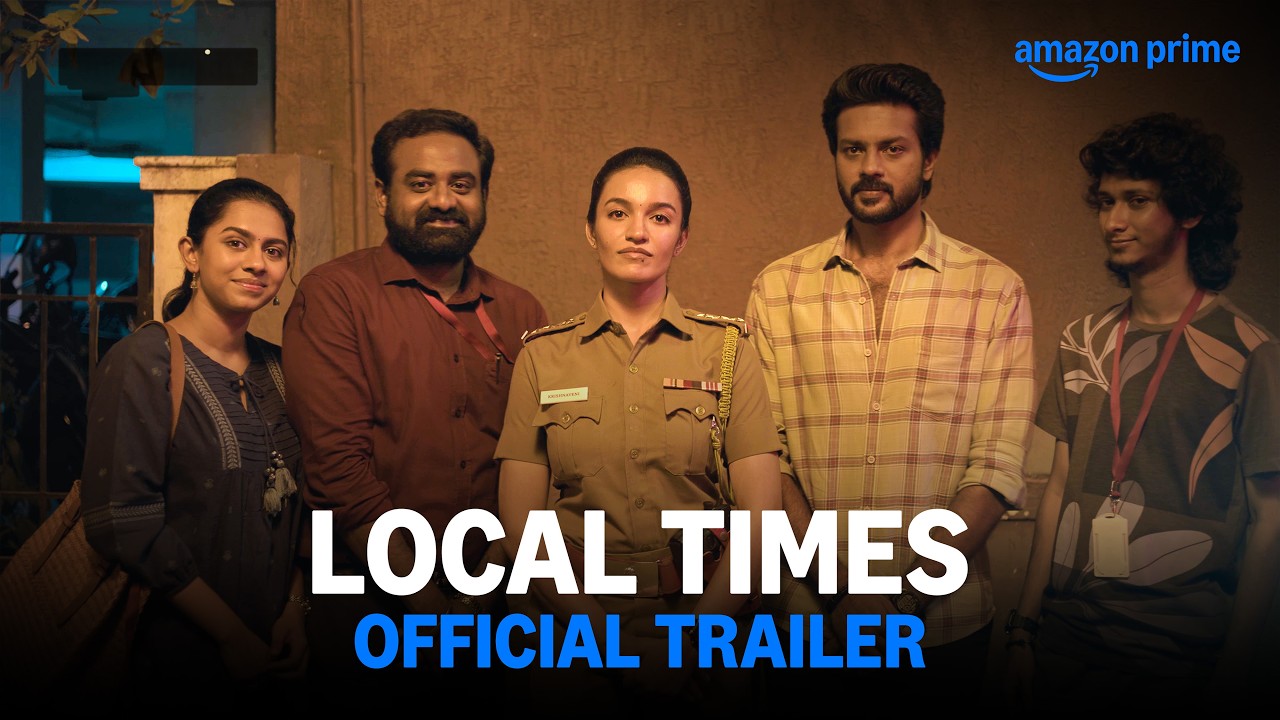
- Local Times Ending Explained: Why That Newsroom "Reunion" is Just a Desperate Season 2 Cash Grab
Everyone is eating up the heartwarming finale of Local Times, but let's talk about what no one's saying: the writers completely abandoned the high-stakes journalism plot just to force a generic sitcom ending. Here is why that heavily contrived climax is actually a massive red flag for the show's streaming future. What Actually Happened? After spending multiple episodes building up a serious kidnapping case, threats from a local boxer, and an aggressive corporate buyout, the Local Times finale resolves its central conflicts with pure, unadulterated dumb luck. Instead of a hard-earned victory against the system, an "unknown informant" conveniently drops the necessary clues to defuse the external crisis. The strained dynamic between Veera and Azhagu is magically patched up in an overcooked, sentimental reunion, allowing the Namma Seidhi crew to survive another day in their chaotic office. The Insider Take The math isn't mathing for a script that tries to balance an underdog thriller narrative with juvenile workplace humor. Resolving a corporate takeover and a criminal smear campaign with an off-screen informant isn't a clever twist; it's the ultimate plot armor. The creators didn't earn that emotional payoff—they just needed to hit the episode quota and manufacture a soft cliffhanger. It is giving major "straight-to-OTT" vibes where the writing room ran out of ideas by episode six. Why This Matters for the Streaming Algorithm If streaming platforms keep greenlighting shows that use thriller mechanics as bait only to deliver a "power of friendship" sitcom resolution, audiences are going to stop tuning in. This kind of structural bait-and-switch is absolute poison for viewer retention. It signals to the audience that the stakes don't matter, completely undermining any tension. When your central newsroom is just a sandbox for goofy tropes rather than a crusading institution, it kills the show's rewatchability. What Fans Are Missing Did you catch how the corporate sharks just conveniently backed off at the 11th hour? That wasn't an underdog victory; that was a narrative bailout by writers who didn't know how to resolve a corporate thriller. The real story isn't that Namma Seidhi survived to print another edition. It's that the actual "journalism" was always irrelevant—this whole season was just an extended pilot to secure a Season 2 budget. QUICK FACTS: Series: Local Times Core Setting: Namma Seidhi (A struggling community newspaper) Main Conflict: Corporate buyout attempts, local boxer threats, and a kidnapping smear campaign. Resolution Catalyst: An "unknown informant" and contrived coincidences. Ending Vibe: Sitcom reset / Open-ended for Season 2. Fans Also Asked Q: What happens at the end of Local Times? A: The finale sees the Namma Seidhi newsroom surviving its corporate and criminal threats through sheer luck and an anonymous tip rather than actual investigative journalism. The ending abandons the high-stakes thriller plot to focus on a heavily sentimental reunion between the core team. Q: Who is the unknown informant in the Local Times finale? A: The identity of the unknown informant is deliberately left ambiguous as the credits roll. This isn't a brilliant narrative mystery; it's a calculated breadcrumb designed exclusively to bait a Season 2 greenlight from the platform. Q: Will there be a Local Times Season 2? A: While not officially announced, the unresolved plot threads and the deliberate survival of the newspaper explicitly set the stage for a second season. The creators clearly prioritized franchise longevity over delivering a satisfying, closed-loop finale. Q: Is Local Times a comedy or a thriller? A: Local Times is a workplace dramedy that uses thriller elements like kidnapping and corporate espionage as window dressing for its juvenile humor. This massive tone-clash is exactly why the climax feels completely unearned to anyone paying attention.
- Chiraiya Ending Explained: Why That Slow-Motion Finale Was Actually a Scripting Cop-Out
Everyone is treating the Chiraiya finale like a feminist masterpiece, but let's call it what it is: a writer's room completely running out of gas. Here is why dropping a statistics card instead of writing an actual climax is the ultimate streaming-era cop-out, and why the core message got buried under performative melodrama. What Actually Happened? The breaking point in the finale arrives when Pooja’s secret is violently forced into the open: she resorts to self-harm just to escape her husband Arun’s nightly assaults. This is the catalyst that finally shatters Kamlesh’s denial regarding the marital rape happening under her roof. When the family elders gather to execute their usual PR damage control and sweep the abuse under the rug, Kamlesh pivots. Instead of complying, she publicly calls out Arun, delivers a mic-drop monologue (“Jo bolna tha bol diya, ab hamara bolna band, aapka sochna shuru”), and walks away with the women in slow-motion, leaving the men to sit with their guilt. The Insider Take That ending wasn't a "cultural reset"; it was a symptom of lazy screenwriting. You don't build six episodes of dense, systemic trauma just to resolve it with a theatrical walk-out and a PowerPoint slide. Dropping a PSA slate with real-world statistics about marital rape right before the credits roll gives heavy "straight-to-OTT" vibes. The creators didn't know how to organically write a legal or structural resolution to the corner they painted themselves into, so they relied on preachiness to manufacture an unearned emotional high. The math isn't mathing for a script that claims to tackle nuance. Why This Matters for Streaming Demographics Social issue dramas are currently dominating streaming algorithms, but audiences are getting smarter. If platforms keep greenlighting shows that use trauma as a hook only to deliver a surface-level, zero-consequence resolution, this entire genre is going to become algorithmic poison. A performative "sorry" from an abuser and a slow-motion exit doesn't dismantle patriarchy—it just sets up a cliffhanger for a potential Season 2 renewal that no one actually needs. What Fans Are Missing The internet is spiraling over Arun’s villain era, but the real narrative weight was always Kamlesh’s complicity. She spent years programming Arun with the "boys will be boys" mentality, effectively acting as the architect of Pooja's nightmare. By having the women simply walk away at the end, the script accidentally gives the systemic patriarchy ultimate plot armor. They didn't dismantle the system; they just left the room. QUICK FACTS: Series: Chiraiya Core Theme: Marital rape, female complicity in patriarchy, systemic abuse. Climax Trigger: Pooja's self-harm confession. Resolution Style: Open-ended/Theatrical (No legal action, no physical retaliation). Final Shot: A text card displaying real-world statistics on unreported domestic sexual violence. Fans Also Asked Q: What is the meaning of the Chiraiya ending? A: The ending symbolizes that the women are withdrawing their silence and compliance, placing the burden of change squarely on the men. Rather than showing a massive legal victory, it represents the first psychological step in a longer battle against normalized abuse. Q: Does Arun go to jail at the end of Chiraiya? A: No, Arun does not face any legal consequences or jail time in the finale. The show ends with Kamlesh and Pooja confronting him and the family elders before simply walking away, leaving his actual punishment ambiguous. Q: Why did Chiraiya end with a statistics card? A: The creators used a text card detailing real marital rape statistics to connect the fictional narrative to a broader real-world crisis. However, critics argue this was a heavy-handed choice used to compensate for a rushed narrative resolution. Q: Will there be a Chiraiya Season 2? A: There is currently no official confirmation for a second season of Chiraiya. The open-ended nature of the finale leaves room for continuation, but it was primarily designed to force the audience to reflect on the ongoing reality of the issue.
- Khushi Kapoor’s Viral Yellow Outfit and the LFW 2026 PR Masterclass We All Fell For
Everyone is debating Khushi Kapoor’s viral yellow outfit, but let’s talk about what no one’s saying: this "controversy" was perfectly timed to hijack the Lakmé Fashion Week 2026 algorithms. Here is why her sudden pivot into the bold fashion-forward star-kid archetype is actually a calculated PR scramble to secure her next big casting. What Actually Happened? Khushi Kapoor walked as the showstopper for designer Aisha Rao at Lakmé Fashion Week x FDCI 2026, but it’s a strategically timed paparazzi video of her in a bold, high-slit yellow ensemble that has the algorithm spiraling. The internet is currently locked in a debate over "overexposure" versus personal style, flooding Instagram and YouTube Shorts with remixed Reels and reactive quote-posts. The Insider Take You don't get consecutive viral fashion moments by accident; the organic engagement math isn't mathing. The coordinated "stealing the spotlight" captions across entertainment portals for her LFW walk are paid placements, designed to position her as a high-fashion 'It Girl.' Meanwhile, the yellow outfit controversy acts as a Trojan horse, farming organic engagement from outrage clicks and keeping her relevant without a movie in theaters. Why This Matters for Her Screen Time If Khushi’s management pulls this off, she successfully rebrands from a debutante struggling to find her footing into a Gen-Z cultural reset, securing lucrative brand deals. But if the audience only engages with the controversy, she risks entering a territory where she is viewed strictly as a fashion influencer, becoming box office poison for tier-one theatrical directors who need actors, not just models. What Fans Are Missing Did you catch how the yellow outfit video dropped exactly when the LFW buzz was peaking? That’s not a coincidence—it's algorithmic cross-pollination. The outrage over the street-style look is subsidizing the reach of her high-fashion ramp walk, keeping her name living rent-free in the trending tabs while her team quietly pitches her for upcoming OTT projects. QUICK FACTS: Star: Khushi Kapoor Event: Lakmé Fashion Week x FDCI 2026 Designer: Aisha Rao (Showstopper) Viral Catalyst: High-slit/cropped yellow outfit in a public paparazzi video. PR Strategy: High-fashion positioning coupled with organic outrage engagement. Fans Also Asked Q: Who did Khushi Kapoor walk for at Lakmé Fashion Week 2026? A: Khushi Kapoor walked as the showstopper for designer Aisha Rao at LFW x FDCI 2026. This runway appearance was heavily pushed by her PR team to establish her as a premium fashion muse rather than just another nepotism debutante. Q: Why is Khushi Kapoor's yellow outfit going viral? A: A paparazzi video of Kapoor in a bold, high-slit yellow dress sparked a massive debate on social media regarding her fashion choices. The controversy is farming massive engagement, effectively ensuring she stays at the top of the daily news cycle. Q: What is Khushi Kapoor's next movie project? A: While her next official theatrical or OTT project announcements are pending, she has been linked to several upcoming romantic comedies. Until a studio confirms the cast, these fashion stunts are her primary vehicle to remain visible to casting directors. Q: Is Khushi Kapoor's fashion PR strategy working? A: Her continuous presence on Instagram Reels and YouTube Shorts proves the visibility metrics are undeniably high. However, translating this algorithmic dominance into actual ticket sales or streaming hours remains her biggest uphill battle.
- Dhurandhar 2 Day 6 Box Office Collection: The ₹750 Crore Math and Why Rival Studios Are Spiraling
The ₹5.35 crore Tuesday net for Dhurandhar 2: The Revenge isn't a sign of fatigue—it is mathematical proof of a stabilized, bulletproof theatrical run. While trade skeptics prayed for a post-weekend crash, Aditya Dhar just cemented the franchise's plot armor, steamrolling straight toward the ₹1,000 crore milestone and leaving rival releases begging for scraps. What Actually Happened? Dhurandhar 2 has locked an estimated ₹524–525 crore India net by Day 6, maintaining a chokehold on 6,160 screens nationwide. Following an explosive extended weekend that catapulted the film past ₹600 crore worldwide in just five days, the action-thriller pulled in roughly ₹5.35 crore net on its first Tuesday. The global gross is now accelerating toward the ₹750–800 crore bracket within week one. The Hindi belt is carrying the lion's share, generating over ₹430 crore net, while the ₹200 crore overseas haul is officially outpacing early Baahubali 2 benchmark comparisons in key international markets. The Insider Take Everyone is hyper-fixating on the ₹500 crore domestic milestone, but the real story is the overseas hold. Crossing ₹200 crore internationally for a spy-action sequel isn't just fan service; it’s a calculated geographical expansion. Ranveer Singh's career desperately needed a high-octane theatrical anchor, and this undercover avatar delivered. The pre-release mixed chatter was nothing but PR noise; the walk-in audience in mass circuits and premium IMAX formats has completely overridden the critic consensus. The math isn't mathing for the detractors anymore. Why This Matters for the Box Office This is catastrophic news for competing releases. Ustaad Bhagat Singh is practically facing a theatrical eviction because Dhurandhar 2 remains the absolute first choice for the ticket-buying public. This weekday sustainability proves the film isn't relying on weekend FOMO—it has genuine repeat value. If it holds this trajectory into the second weekend, it effectively rewrites the ceiling for holiday releases and guarantees a Dhurandhar 3 greenlight with an exponentially inflated budget. What Fans Are Missing Look past the roaring box office numbers and check the language split. The South Indian dubs (Tamil, Telugu, Kannada, Malayalam) are contributing a noticeable chunk, but the heavy lifting is still violently skewed toward the Hindi release. The PR spin will tell you it's a "Pan-India phenomenon," but the reality is this is a Hindi heartland juggernaut artificially inflated by premium format pricing. Sanjay Dutt's casting wasn't just for narrative weight; it was a surgical strike to lock down single-screen dominance in Tier-2 and Tier-3 cities. QUICK FACTS: Film: Dhurandhar 2: The Revenge Director: Aditya Dhar Key Cast: Ranveer Singh, Sanjay Dutt Day 6 India Net: ₹5.35 crore (Early Estimates) Total India Net (Day 6): ₹524–525 crore Worldwide Gross: Approaching ₹750–800 crore Screen Count: 6,160 shows across India Fans Also Asked Q: What is the day 6 box office collection of Dhurandhar 2? A: Dhurandhar 2 collected an estimated ₹5.35 crore net in India on its sixth day (Tuesday). This signals a normal, healthy weekday drop rather than a crash, proving the film has legs beyond the opening weekend hype. Q: Will Dhurandhar 2 cross 1000 crore worldwide? A: The film is currently tracking toward ₹750–800 crore globally in week one, making the ₹1,000 crore club highly probable. It all hinges on the second-weekend hold, but right now, it has the momentum of a runaway freight train. Q: How much did Dhurandhar 2 earn overseas? A: The movie has already breached the ₹200 crore mark in international markets. This is an earth-shattering metric for the franchise, proving the IP has broken out of its domestic confines and established global viability. Q: Why is Dhurandhar 2 doing so well despite mixed reviews? A: Word-of-mouth in mass circuits and high IMAX occupancies completely neutralized the mixed critical reviews. Audiences are paying for the large-scale action set-pieces and franchise recall, proving once again that critical consensus rarely dictates mass box office reality.
- Ustaad Bhagat Singh Ending Explained: Why the RAW Twist is a Calculated Risk (And What the Sequels Need to Fix)
Everyone is hyping Ustaad Bhagat Singh’s climax, but let's talk about what the PR spin is hiding: the third-act RAW reveal was a desperate script patch to justify a vigilante bloodbath. Here’s why that massive tonal shift is either a stroke of franchise genius or absolute box office poison. What Actually Happened? Bhagat (playing the rogue cop) holds CM Nalla Nagappa’s younger son hostage in the Nallamala forest, drawing out terrorist Afzal Baghdadi. In a massive third-act pivot, ruthless extremist "Faizal" is revealed to be RAW officer Ajaz Khan, who flips on the terror module, while a flashback confirms Bhagat's entire crusade is a six-year revenge mission for the murder of his lover, Leela. Nagappa, outplayed and stripped of his political armor, commits suicide, allowing the honest CM Chandrasekhar Rao to reclaim power. The Insider Take Having the main villain off himself instead of facing the hero's gun is a massive subversion of standard action tropes. The math isn't mathing if you expect a standard hero-beats-villain brawl; the writers deliberately kept Bhagat's hands clean in the final moments. It’s an aggressive pivot from personal vendetta to nationalist spy-thriller, giving the third act severe identity crisis vibes. They traded a visceral revenge kill for a thematic "system cleanup." Why This Matters for the Box Office and Franchise If the audience buys the sudden "RAW was behind the parliament attack" exposition dump, this sets up a sprawling, multi-agency cinematic universe with serious sleeper hit energy. If they don't, the sheer Easter egg overload and tonal whiplash could tank the sequel's opening weekend. Studios are banking heavily on this vigilante-meets-patriot angle to secure a pan-India franchise, but leaning this hard into covert ops risks alienating the core single-screen audience. What Fans Are Missing Did you catch how the opening parliament assassination was retroactively justified by Ajaz? That’s not just a neat plot bow; it's a massive piece of PR damage control for the script's chaotic morality. The writers gave Bhagat an out by framing extra-judicial killings as a government-sanctioned cleanup, practically ensuring the censor board wouldn't completely gut the film's climax. Nagappa’s suicide isn't a tragedy—it's a calculated loophole to keep the hero employable. QUICK FACTS: Movie: Ustaad Bhagat Singh Key Reveal: Terrorist "Faizal" is actually deep-cover RAW officer Ajaz Khan. Core Motive: Bhagat's vendetta stems from the murders of his fiancé, Leela, and her friend Pallavi by Nagappa's syndicate. Opening Incident Reframed: The parliament minister assassinations were a covert RAW cleanup operation, not a terror strike. Villain's Fate: CM Nalla Nagappa commits suicide; Bhagat doesn't fire the final shot. Final Status: Honest mentor CM Chandrasekhar Rao is reinstated to power. Fans Also Asked Q: Who is Faizal in Ustaad Bhagat Singh? A: Faizal is actually Ajaz Khan, a deep-cover RAW officer who infiltrated Afzal Baghdadi's terror network. His third-act flip is the ultimate fan service moment that fundamentally changes the genre of the film from a cop drama to an espionage thriller. Q: Why did Bhagat Singh kidnap the CM's son? A: Bhagat kidnaps Nalla Nagappa's younger son to lure out the terror module and force a final confrontation in the Nallamala forest. It’s a calculated trap rooted in a six-year-old vendetta to end Nagappa's villain era once and for all. Q: Who ordered the parliament attack at the start of the movie? A: The opening parliament assassinations were orchestrated by Ajaz's covert RAW team to eliminate deeply corrupt ministers. This twist essentially hands the protagonist massive plot armor by legitimizing his rogue, anti-system actions. Q: Does Bhagat kill Nagappa at the end? A: No, Nalla Nagappa commits suicide after realizing his empire is dismantled and his terror links are exposed. This keeps Bhagat from getting his hands dirty at the final buzzer, ensuring his character remains morally viable for lawful police work in potential sequels.
- Peaky Blinders: The Immortal Man Ending Explained: Why Duke's Final Kill Was a Calculated Franchise Reset
Everyone is mourning Tommy Shelby's demise in The Immortal Man, but let's talk about what the writers actually just pulled off: a masterclass in shedding a protagonist whose plot armor had become a narrative liability. By forcing Duke to pull the trigger, Steven Knight didn't just end an era—he handed the studio the perfect, blood-soaked blueprint for a spin-off. What Actually Happened? In a World War II-era tunnel shootout, Tommy Shelby is fatally wounded by Nazi counterfeiter John Beckett, but orders his son Duke to deliver the final kill shot using a bullet engraved with Tommy’s own name. Tommy's final moments mirror his WWI trauma as he murmurs "In the bleak midwinter," before a Romani funeral pyre sequence reveals he left the Shelby empire—and his guns, under strict orders not to use them—to the next generation. The Insider Take Letting the villain kill Tommy would have been box office poison and a betrayal of the show's core mythos. By having Tommy orchestrate his own mercy killing at the hands of his heir, the writers sidestepped a predictable cliché and gave him the ultimate agency in his own destruction. It's a calculated script maneuver that strips Tommy of his god-tier survival streak while keeping his legacy entirely intact. The man didn't lose; he just finally decided to clock out. Why This Matters for the Franchise's Future If Duke just inherited the gang with no strings attached, it would be giving serious "straight-to-OTT" sequel vibes. But because Tommy’s will mandates the guns aren't to be used, the stakes for the inevitable spin-off are completely flipped. Duke is now trapped between his father's pacifist dying wish and the brutal reality of 1940s Birmingham gangland. That’s not just an ending; that’s a built-in conflict engine for the next phase of the IP. What Fans Are Missing Everyone is obsessing over the "I am free" voiceover note, but the real narrative payload is the tunnel itself. Forcing Tommy back underground for the climax wasn't just aesthetic fan service; it was a closed loop to the exact physical space where his PTSD—and the Peaky Blinders' ruthless philosophy—was born in France. The math isn't just mathing; it's poetic symmetry designed to close the book on the trauma plotline once and for all. 📌 QUICK FACTS: Release Year: 2026 Setting: 1940 (World War II) Villain: John Beckett (Nazi fifth-columnist) Key Death: Thomas "Tommy" Shelby Killer: Duke Shelby (at Tommy's explicit request) Final Words: "In the bleak midwinter" Successor: Duke Shelby Fans Also Asked Q: Does Tommy Shelby die in Peaky Blinders: The Immortal Man? A: Yes, Tommy Shelby dies at the end of the film after being shot in the gut by John Beckett. However, it’s his son Duke who actually fires the fatal shot at Tommy's own command, capping off a decade of the character miraculously evading death. Q: Why did Duke kill Tommy at the end of the movie? A: Duke kills Tommy as a mercy killing because Tommy is already fatally wounded and insists on dying by the bullet engraved with his own name. It's less of a betrayal and more of a brutal passing of the torch that anchors Duke as the undisputed new head of the family. Q: What were Tommy Shelby's last words? A: Tommy's final words are "In the bleak midwinter," a direct callback to the WWI trench hymn he and his comrades sang. It signals that his "bonus time" since surviving the war is officially up, tying a neat bow on his long-running PTSD arc. Q: Will there be a Peaky Blinders spin-off with Duke? A: The film explicitly positions Duke as the new leader of the Peaky Blinders, armed with Tommy's assets but burdened by a condition not to use his weapons. This unresolved tension is essentially a backdoor pilot for a new series or sequel film.
- Spider-Man: Brand New Day Trailer Breakdown: Why The Character Bloat Could Sink the Reboot
Everyone is obsessing over Peter's organic web-shooters in the Spider-Man: Brand New Day trailer, but the real crisis hiding in plain sight is the catastrophic character bloat. Here is why injecting Savage Hulk, The Punisher, and a spell-immune Sadie Sink into a "street-level" movie is a calculated risk that might completely derail Peter's emotional arc. What Actually Happened? The heavily leaked Spider-Man: Brand New Day trailer officially dropped, confirming Destin Daniel Cretton as director for a July 31, 2026 release. Set in 2028—four years after No Way Home—the footage shows a deeply isolated Peter Parker stalking MJ (who is now dating a guy named Paul, played by Eman Esfandi) and developing organic web-shooters. Meanwhile, a massive roster of secondary characters is introduced, including Mark Ruffalo's Bruce Banner (seemingly reverting to Savage Hulk), Jon Bernthal's Punisher hunting him, Marvin Jones III's Tombstone, Michael Mando's Scorpion, and Sadie Sink as a mysterious, reality-aware antagonist who remembers Peter's past. The Insider Take Marvel is absolutely terrified of a small-scale Spider-Man movie, and the PR damage control is obvious here. They slapped the Brand New Day title on this to promise fans a gritty, grounded reinvention, but the actual footage is an Easter egg overload of epic proportions. Cramming in the Punisher, setting up World War Hulk, and introducing a potential mutant psychic or Spider-Totem hunter (Sink) into Peter’s personal grieving process gives major narrative whiplash. The studio is hedging its bets to secure the box office, but the math isn't mathing on how all these IP heavyweights fit into a two-hour runtime without suffocating the protagonist. Why This Matters for the MCU Phase 6 If Cretton can't balance this absurd ensemble, this movie risks becoming box office poison. Peter's entire No Way Home sacrifice loses its weight if his profound urban alienation is constantly interrupted by Thunderbolts tie-ins and Hulk-smash action sequences. Marvel desperately needs a cultural reset that grounds their universe, but this trailer gives off the distinct sleeper hit energy of a messy, studio-mandated bridge movie rather than a tight, character-driven narrative. What Fans Are Missing Everyone is distracted by the Ahsoka actor playing MJ's new boyfriend, but the real spoiler is the subtle confirmation of the "Man-Spider" body-horror arc. The dialogue about spiders having "three life cycles," combined with Peter checking his wrists and shedding his mechanical shooters, proves his DNA is actively mutating. Also, did you catch the background detail about Mayor Sheila? That's a massive oversight by the Marvel marketing team—it effectively spoils the ending of Daredevil: Born Again by confirming Wilson Fisk lost the mayoral race. QUICK FACTS: Release Date: July 31, 2026 Director: Destin Daniel Cretton Timeline Setting: 2028 (4 years post-No Way Home) Key Villains Confirmed: Tombstone, Scorpion, Sadie Sink's unnamed antagonist. Major Cameos: Mark Ruffalo (Bruce Banner/Hulk), Jon Bernthal (The Punisher). Plot Hook: Peter is mutating (organic web-shooters) while a mysterious new enemy threatens the memory spell. Fans Also Asked Q: Who is Sadie Sink playing in Spider-Man: Brand New Day? A: Sadie Sink plays a mysterious antagonist who retained her memories of Peter Parker despite Doctor Strange's spell. Rumors suggest she could be Shathra (a Spider-Totem hunter), Typhoid Mary, or even a soft-launch of Jean Grey, proving she operates on a reality-bending power level. Q: Why does Spider-Man have organic web-shooters in the new movie? A: Peter is undergoing a secondary mutation—potentially adapting the "Man-Spider" comic arc—which grants him biological webbing. It is a physical manifestation of Peter fully shedding his human life to embrace his Spider-Man persona out of sheer trauma. Q: Is Jon Bernthal's Punisher in Spider-Man: Brand New Day? A: Yes, Jon Bernthal's Punisher appears in the footage, seemingly tasked with hunting down a reverting, unstable Bruce Banner. His inclusion proves Marvel is aggressively injecting its violent, street-level Marvel Television characters directly into mainline theatrical releases. Q: Who is MJ dating in Spider-Man 4? A: MJ is dating a new character named Paul, played by Eman Esfandi. If the comics are any indication, Paul's entire existence is designed to be a living, breathing obstacle that will torture Peter and test his resolve to stay away from the woman he loves.
- Invincible Season 4 Episode 3 Breakdown: Why Mark's Brutal Beatdown Proves He's the Real Threat
Everyone is spiraling over Robot and Monster Girl jumping into the Flaxan portal, but the real crisis is happening right in front of us: Mark Grayson is fully adopting Omni-Man's playbook. If you think that merciless beatdown of Titan to a Doechii track was just a stylish action sequence, you are completely missing the terrifying psychological pivot setting up the rest of the season. What Actually Happened? Episode 3 balances ground-level mob wars with interdimensional threats, climaxing with a brutal mirror of Season 1's bloody finale. Titan's refusal to help Machine Head leads to an assassination attempt by the obscure villain Magno-Attack, drawing in an overpowered, overconfident Oliver. Meanwhile, as Flaxan robotic forces overwhelm Earth's heroes, Robot and Monster Girl deliberately strand themselves in the Flaxan dimension to destroy the invasion transmitter. Mark arrives late, brutally pummels Titan for endangering his brother, and the episode caps off with the massive reveal that Eve's glitching powers are actually due to her being pregnant. The Insider Take The writers are expertly weaving brand-new, original material (like The Order's expanded roster) with massive, foundational comic arcs (the Flaxan dimension). But the real masterstroke of PR damage control is happening at the GDA. Cecil sanctioning D.A. Sinclair to build Reanimen out of dead Invincible variants is top-tier psychological warfare. Cecil knows Mark is slipping into his villain era. The math isn't mathing on Mark's mental stability, and building an army of undead Marks is the only logical contingency plan. Why This Matters for the Narrative Stakes Robot and Monster Girl's leap into the portal isn't just a cliffhanger; it's a massive temporal time jump that will completely fracture the core team dynamics when (or if) they return. Furthermore, Mark beating Titan to a bloody pulp while a needle drop of "CRAZY" plays gives heavy anti-hero vibes that will severely test the audience's loyalty. If Mark becomes a father while acting like an unhinged executioner, his public image will become absolute box office poison. He's making good on his promise to kill anyone who threatens his family, and that makes him a terrifying liability. What Fans Are Missing Rex puking up a Sequid in the shower isn't just a gross-out visual gag—it's a ticking time bomb living rent-free in his body. That single moment foreshadows a massive internal compromise for the Guardians. Also, Eve's powers turning things into "rainbow slush" isn't a random emotional glitch. Her sub-atomic manipulation is biologically re-routing to protect the fetus. It's an Easter egg overload for comic readers that perfectly grounds her sudden power nerf in actual sci-fi biology. QUICK FACTS: Series: Invincible Episode: Season 4, Episode 3 ("The Order & The Invasion") Major Arc Setup: Robot and Monster Girl enter the time-dilated Flaxan dimension. Comic Deep Cuts: Magno-Attack (Issue 19), War Woman II, Insomniac. Character Status: Eve discovers she is pregnant; Mark severely beats Titan. GDA Threat Level: D.A. Sinclair is actively building Invincible-variant Reanimen. Fans Also Asked Q: Why are Atom Eve's powers not working in Invincible Season 4? A: Atom Eve's powers are glitching into "rainbow slush" because she is pregnant, which subconsciously alters her sub-atomic manipulation to protect the baby. It's a biological failsafe that unfortunately leaves her incredibly vulnerable at a critical time. Q: What happens to Robot and Monster Girl in the Flaxan dimension? A: Robot and Monster Girl dive through the portal to destroy the invasion transmitter, trapping themselves in a dimension where time moves significantly faster. This sets up one of the most sprawling, heartbreaking, and character-defining arcs in the entire comic mythos. Q: Who is Magno-Attack in Invincible? A: Magno-Attack is a deep-cut comic assassin (first appearing in Issue 19) who ambushes Titan's family in the park. His inclusion is a calculated move by the showrunners to flesh out Earth's criminal underworld while the heavy hitters are distracted by aliens. Q: Why is D.A. Sinclair building new Reanimen? A: D.A. Sinclair is harvesting the corpses of the evil Invincible variants from the multiverse war to create an unstoppable Reanimen army for Cecil. This is the GDA's absolute last line of defense in case Mark completely loses his mind.
- Invincible Season 4 Episode 2 Explained: The Thaedus Retcon That Just Broke the Lore (And Lee Pace's Debut)
Everyone is spiraling over Winston Duke’s debut as Space Racer, but the writers just pulled off a lore-breaking retcon with Thaedus that fundamentally rewrites Nolan’s entire arc. If you think the Scourge Virus was just a convenient plot device, you clearly aren't paying attention to the groundwork they're laying for the endgame. What Actually Happened? Season 4 Episode 2 dives into Viltrum's bloody history, introducing General Thragg and Space Racer while dropping a devastating truth bomb about the Scourge Virus. We get a brutal flashback to a young Nolan being beaten to a pulp by his parents—a deliberate parallel to his Season 1 beatdown of Mark. In the present, Nolan and Allen recruit a very-much-alive Space Racer, but the real shocker lands at the end: Thaedus confesses he engineered the Scourge Virus that wiped out 99% of the Viltrumite empire. Nolan completely reverts to his Viltrumite programming, attacking Thaedus before making him swear to only use the weapon as a last resort. The Insider Take Making Thaedus the architect of the original virus is a massive departure from the source material, and it's a calculated risk. It shifts the blame of a literal genocide directly onto the leader of the Coalition of Planets. The writers are making the "good guys" incredibly morally gray to raise the stakes. Plus, casting Lee Pace as General Thragg? That is god-tier fan service that completely secures the show's villain era for the next three seasons. Why This Matters for the Lore This retcon justifies Nolan's violent reaction and radically complicates the morality of the impending galactic war. If the Coalition is willing to weaponize a biological agent that almost caused an extinction event, the line between them and the Viltrum Empire just got dangerously blurry. It also explains the breeding protocol: with only about 50 Viltrumites left, their entire "peacekeeper" conqueror facade is actually a desperate, PR-heavy survival tactic. What Fans Are Missing The flashback to Nolan's father stopping his mother's beatdown is the Rosetta Stone for Nolan's character. It proves his empathy on Earth wasn't a sudden glitch in his Viltrumite programming—it was a recessive trait inherited from his dad. That single scene recontextualizes every choice he made in the Season 1 finale; he was literally fighting generations of biological and cultural conditioning. QUICK FACTS: Episode: Invincible Season 4 Episode 2 ("Origins & Empire") Key Cast Additions: Lee Pace (General Thragg), Winston Duke (Space Racer) Major Retcon: Thaedus is revealed as the creator of the Scourge Virus. Viltrumite Population: Approximately 50 remaining (99% eradicated by the virus). Easter Egg: Nolan's father demonstrating empathy directly mirrors Mark's survival in Season 1. Fans Also Asked Q: Who voices General Thragg in Invincible? A: Lee Pace officially voices General Thragg in Invincible Season 4. It's a powerhouse casting choice that perfectly sets up the overarching antagonist for the rest of the series. Q: Who voices Space Racer in Invincible? A: Winston Duke provides the voice for Space Racer, who emerges after Nolan buried him under 1,000 tons of rubble for a century. His dynamic with Allen the Alien is already carrying the comedic weight of the episode. Q: What is the Scourge Virus in Invincible? A: The Scourge Virus is a biological weapon that eradicated 99% of the Viltrumite population. The show's massive retcon reveals that Thaedus is actually the architect behind this extinction-level event. Q: Why did Nolan beat Mark in Invincible Season 1? A: Episode 2 reveals Nolan was mimicking the brutal Viltrumite rite of passage inflicted by his own mother. It proves that his inability to kill Mark stems from an inherited empathy passed down from his father.