Search Results
Search this site
5945 results found with an empty search
- The Delusion of the "Double Standard": Why the Latest "Girl Rant" Fails the Biology Test
Another day, another emotionally charged "rant" circulating on social media, this time targeting the supposed "double standard" of aging in Indian cinema. The creator of the video attempts to use "math" and a quote from Susan Sontag to paint a picture of a society that "demonizes womanhood." But beneath the striped shirt and the performative outrage lies a fundamental misunderstanding of human biology, evolutionary psychology, and the reality of the social market. It is time to stop the "victimhood" narrative and address the facts: the age gaps we see on screen aren't just normal—they are a reflection of how we are biologically wired. The "Peak" Problem: Science Over Sentiment The video creator laments that an actress is "replaced" or labeled an "aunty" the moment she hits 35 or has a baby. While this sounds harsh to a modern ear, it ignores the biological reality of the "peak." In the realm of physical attraction and reproductive signalling which is what cinema largely sells, women peak in their 20s and early 30s. A woman at 35 is already at the very tail end of her "leading lady" window. To suggest that a 35-year-old woman is "too old" to be paired with a 50-year-old man isn't "ageism"; it’s a recognition that the woman has reached her biological peak while the man is just entering his. The Reality of Hypergamy and the "Alpha" Status The creator’s "math" ignores the most crucial variable: status. Women are naturally hypergamous; they seek partners who possess higher status, more resources, and greater competence. In the real world and on the silver screen, these "Alpha" markers take decades to cultivate. Most men do not reach their peak of social influence and "attractiveness" until after 40. A 50-year-old superstar like Shah Rukh Khan or Rajinikanth represents the pinnacle of male achievement. They have the status to "bag" the most desirable females, who, by biological definition, are younger. This isn't a "double standard" it’s a reflection of the fact that very few men actually have the status to reach that top league. When they do, they are rewarded with the "legendary status" the video creator seems so resentful of. Replacing Logic with "Feminazi" Rhetoric The video's reliance on academic quotes and "film girl rants" is a classic example of trying to use social theory to override biological imperatives. Calling a 40-year-old actress an "aunty" might be a "petty" insult, but it stems from a shift in how she is perceived by the collective consciousness once she moves past her peak years. The "male gaze" isn't a weapon; it is simply a byproduct of what men find attractive. Similarly, the "female gaze" doesn't demand 20-year-old boys; it demands 45-year-old men with power. To demand that cinema ignore these deep-seated preferences in favor of "equity" is to demand that cinema stop being successful. Conclusion: Stop the Rant, Embrace the Reality The creators of these viral videos need to "chill the F out." The "double standard" they rail against is actually just the standard of nature. Men peak late; women peak early. Men provide status; women provide beauty. This is the bedrock of human interaction. Instead of hiding behind "math" that misses the point, perhaps these critics should accept that a woman’s value in the romantic lead market decreases once she stops serving the biological markers of youth. It isn't a "downfall"; it's just the turning of the clock. It’s time to stop pretending that 50 is the same for a man as it is for a woman. Biology doesn't care about your "nuanced manner," and neither does the box office.
- Did You Know Kareena Kapoor Has Christian Roots? 10 Catholic-Connected Celebrities In And Around Bollywood As We Gear Up For Easter
Easter, Bollywood And "Catholic" Confusion In India, people often casually use the word "Catholic" when they really mean "Christian" in general, even though Catholicism is one specific branch of Christianity. This feature highlights Bollywood names who either come from Roman Catholic families, Goan or Mangalorean Catholic communities, or are publicly known to follow Christianity in their personal lives. Wherever a denomination is clear, it is mentioned; where it is not, the wording stays broader to avoid mislabelling anyone’s faith. Kareena Kapoor Khan: Hindu–Muslim Marriage With A Christian Tilt Kareena Kapoor Khan was born into the famous Kapoor film family, traditionally Punjabi Hindus, and later married actor Saif Ali Khan, who comes from a Muslim Nawab family. A former nanny of Kareena’s children recently said in an interview that Kareena "follows Christianity" and would specifically ask her to play Christian hymns and Punjabi Sikh shabads like "Ik Onkar" around the kids to create a positive, spiritual atmosphere at home. Kareena’s maternal side also has a British Christian connection, which helps explain why she has long been comfortable blending Christian practices with her otherwise very multi-faith household. While she has never publicly described herself with a precise denomination like "Roman Catholic", Kareena’s openness to Christian prayers, hymns and church traditions makes her an interesting example of Bollywood’s increasingly interfaith, blended approach to spirituality. Sarah Jane Dias: Goan Catholic Sarah-Jane Dias, Femina Miss India World 2007 winner and former Channel V VJ, was born to a Goan Catholic family, father Eustace Dias (marketing manager) and mother Yolanda, with sister Elena Rose. Educated at St. Andrews College in Mumbai after Omani schools, she even wore her mother's traditional white Christian bridal gown in Angry Indian Goddesses, celebrating family faith ties. Known for Bollywood hits like Game (with Abhishek Bachchan), Happy New Year (SRK), and OTT like Tandav. Amrita Arora: Raised As A Roman Catholic Actor and TV personality Amrita Arora was born in Bombay to Punjabi father Anil Arora and Malayali mother Joyce Polycarp, and multiple profiles note that she was "raised as a Roman Catholic". A long-form feature on the extended Khan–Arora clan describes how, after Joyce separated from her husband, she brought up daughters Malaika and Amrita as devout Catholics, insisting on church weddings and keeping Catholic rituals alive at home. When Amrita married businessman Shakeel Ladak, the couple honoured all three traditions in their lives Christian, Muslim and Punjabi by having a Christian wedding ceremony, a nikah, plus mehendi and sangeet, showing how her Roman Catholic childhood naturally coexists with Bollywood’s mixed-faith reality. Ileana D’Cruz: Goan Catholic Roots, Modern Beliefs Bollywood and South star Ileana D’Cruz was born in Mahim, Mumbai, to a Goan Catholic father and a Muslim mother, and many biographical write-ups simply introduce her as coming from a Goan Catholic family. She spent much of her childhood between Mumbai and Goa, studied at Catholic institutions, and has recalled how her mother would decorate the house with fairy lights and bring the family together for Christmas celebrations. In later interviews and on her Wikipedia profile, Ileana has been described as an atheist, which shows that while she does not personally practise the faith now, her cultural roots and extended family background are firmly embedded in Goa’s Catholic community. That duality — culturally Catholic, personally non-religious — is increasingly common among younger urban celebrities. Freida Pinto: International Star From A Mangalorean Catholic Family Slumdog Millionaire breakout star Freida Pinto, who grew up in Mumbai before moving to international projects, comes from the Mangalorean Catholic community as well. Profiles of her faith and ethnicity point out that she is Catholic and that her family name and heritage trace back to Portuguese-era conversions in the Konkan region, where Mangalorean and Goan Catholics share historical roots. Freida attended Catholic schools in Mumbai, including the Jesuit-run St Xavier’s College, which means Catholic rituals, Mass and catechism were a visible part of her formative years even though she has not spoken much in public about the depth of her current religious practice. Dino Morea: Bengaluru-Born Roman Catholic Heart-throb Model-turned-actor Dino Morea, known for films like Raaz, is often listed in reference works as a Christian of Roman Catholic background. Biographical sites describe him as having an Italian father and an Anglo-Indian mother from Kerala, with his religion specifically noted as "Christianity (Roman Catholic)", reflecting the historic presence of Catholic communities in South India. He studied at Christian institutions in Bengaluru such as Clarence High School and St Joseph’s College, further reinforcing how Catholic and broader Christian networks have long been interwoven with English-medium education and the modelling–film pipeline in urban India. Katrina Kaif: British Christian Mother, Muslim Father, Multi-Faith Practice Superstar Katrina Kaif was born to a British Christian mother, Suzanne Turquotte, and an Indian Muslim father, Mohammed Kaif, and grew up largely with her mother after her parents separated. Articles on her religious outlook note that she was raised with Christian values, but her family encouraged the children to respect and follow multiple faith traditions rather than one exclusive label. Katrina has said she is very spiritual and believes in a universal God, and has been photographed and reported visiting Mumbai’s Siddhivinayak Temple, the Catholic shrine of Mount Mary Church and the Sufi dargah at Ajmer Sharif, often before major film releases. Because her mother is Christian and she grew up attending church, many fans casually assume she is "Catholic", even though she herself tends to describe her identity in broader, interfaith terms. Jacqueline Fernandez: Roman Catholic Upbringing, Bollywood Career Jacqueline Fernandez, the Sri Lankan actor who made her Hindi-film debut with Aladin and later starred in hits like Kick and Race 3, grew up in Bahrain in a Christian household and has repeatedly been described as having been "raised a Roman Catholic". One interview quotes her directly acknowledging that upbringing while also saying she now believes more in an omnipresent higher power than in one exclusive religious label. Biographical notes and an IMDb profile mention that her Sri Lankan father, Elroy Fernandez, is identified as Sinhalese Catholic, further underlining her Catholic familial roots even as she has built a global, multicultural persona in Bollywood. Waluscha De Sousa: Goan Catholic Glam In Fan Actor and model Waluscha De Sousa, who made her Bollywood debut opposite Shah Rukh Khan in Fan, hails from Goa and comes from a Goan Catholic family. Detailed biographies list her religion as Christianity, her caste as Roman Catholic, and trace her heritage to a Portuguese father and German mother, with schooling at Our Lady of the Rosary Convent in Dona Paula, Goa. In lifestyle features, Waluscha speaks lovingly about taking guests to sites like Fontainhas and the Basilica of Bom Jesus in Goa, a UNESCO-listed Catholic church that houses the relics of St Francis Xavier, showing how strongly Goan Catholic architecture and pilgrimage spots shape her sense of home. Genelia D’Souza Deshmukh: Proud Mangalorean Catholic In Mumbai Actor Genelia D’Souza (now Genelia Deshmukh) was born in Bombay (Mumbai) and belongs to the Mangalorean Catholic community, a group of Konkani-speaking Catholics with roots in coastal Karnataka. She has spoken often about being deeply religious, saying she attends Sunday Mass at St Anne’s Parish in Bandra, keeps a Novena every Wednesday at St Michael’s Church in Mahim, and prays the rosary with her family whenever they are all at home. Why Lists Like This Matter Around Easter As Easter approaches, stories about Catholic and Christian celebrities in Bollywood serve as a reminder of how layered and mixed India’s film families really are. Many of these actors navigate Hindu, Muslim and Christian spaces at once, celebrating Christmas Mass, Easter service, Diwali pujas and Eid feasts in the same year. For audiences, that blend of Catholic roots and multi-faith practice normalises the idea that faith can be both personal and plural — making Easter not just a church festival, but also a moment to appreciate how diverse the faces on and behind the big screen truly are.
- An EV Company Wants to Sell You Filter Coffee And It Just Hired Shruti Haasan to Make You Believe It
Here's a sentence nobody had on their 2026 bingo card: a conglomerate best known for electric scooter rentals has signed two Bollywood actors to sell South Indian filter coffee nationwide. Adhira & Appa Coffee, the café chain under EBG Group (the parent entity behind eBikeGo), has appointed Shruti Haasan and Murali Sharma as brand ambassadors as it races toward a wildly ambitious 400-outlet target by 2027. The brand is currently in roughly 9 cities. The parent company did ₹5.11 crore in revenue in FY24. And they're publicly benchmarking themselves against Starbucks and Third Wave Coffee Roasters. Let's talk about what's actually happening here because this is either visionary or delusional, and the line between the two is thinner than a filter coffee decoction. The Strategy Breakdown: What's Smart and What's Suspect The celebrity picks are actually logical. Credit where it's due the casting makes sense on paper. Shruti Haasan is a rare dual-market asset: she carries genuine pull in South Indian markets (Tamil and Telugu cinema) while maintaining mainstream Bollywood recognition. For a brand trying to take South Indian filter coffee national, she's a cultural translator. She bridges Chennai credibility with Mumbai awareness. That's a real strategic function. Murali Sharma is the deeper cut. He's not a celebrity endorser in the traditional sense — he's a prolific character actor with enormous face recognition across South Indian and Hindi cinema. He reads as authentic, paternal, and rooted — which maps perfectly onto a brand called "Appa" (literally "father" in Tamil/Telugu). The pairing creates a generational bracket: Shruti for the Instagram-scrolling, specialty-coffee-curious 25-year-old; Murali for the cultural trust signal that says this is real South Indian coffee, not a startup cosplaying as one. The "heritage-first" positioning is smart — but the execution is confused. Adhira & Appa is trying to carve a niche as the "authentic alternative to global chains" — COO Karan Mendon explicitly named Starbucks and Third Wave as competitors. The menu backs this up: dosa tacos, medu vada waffles, filter coffee tiramisu a fusion menu blending Western formats with South Indian foundations. That's a legitimate whitespace. Third Wave sells specialty pour-overs. Starbucks sells lifestyle. Nobody owns "South Indian filter coffee as a national café experience" at scale. But here's where it gets shaky: calling yourself a heritage brand while being owned by an electric vehicle rental company is a credibility paradox. EBG Group (Think Ebikego Pvt. Ltd.) generated ₹5.11 crore in revenue in FY24 with 17 employees. That's the corporate backbone behind a café chain promising 400 outlets. The diversification ambition is staggering EBG Group spans mobility, technology, realty, lifestyle, health, food, services, and education but diversification without depth is a red flag in consumer-facing businesses, especially food and beverage. The 400-outlet target needs a reality check. Adhira & Appa is currently present in Kochi, Nagpur, Hyderabad, Pune, Dehradun, Indore, Chandigarh, Nashik, and Bengaluru, and plans to scale to 400 outlets across metro and Tier-2 cities by 2027. That's going from roughly 9 cities to 400 stores in under two years. For context, Third Wave Coffee — which has been operational since 2016, raised $35M+ in funding, and is considered one of India's fastest-scaling café brands — has around 450-500 outlets after nearly a decade. Adhira & Appa is running a franchise-led expansion model (consistent with EBG Group's FOCO playbook from eBikeGo), which explains the velocity aspiration. But franchise-led café scaling in India is littered with casualties. The economics of filter coffee — lower ticket size than espresso-based drinks, regional taste preferences, freshness demands — make rapid franchise scaling harder than it looks. Celebrity spend before product-market fit is a gamble. This is the core tension. Signing two brand ambassadors is a demand-generation play. But Adhira & Appa hasn't yet proven it can consistently deliver on unit economics across geographies. The brand is spending on top-of-funnel awareness (celebrities, PR, expansion announcements) before it has demonstrated bottom-of-funnel proof (same-store sales growth, franchise profitability, repeat customer rates). Why This Matters For the Indian café market: This signals that South Indian filter coffee is being treated as a legitimate national café category, not just a regional beverage or a menu add-on at existing chains. If Adhira & Appa gains traction, expect copycat positioning from larger players. For celebrity marketing in F&B: Shruti Haasan and Murali Sharma aren't A-list tier by endorsement fees, which means this is a high-efficiency celebrity play maximum cultural signal at manageable cost. Emerging F&B brands should study this pairing model: one for reach, one for trust. For EBG Group: This is a credibility test. The group is asking the market to believe that a company built on EV rentals can simultaneously build a national café chain. That's not impossible — Tata runs everything from cars to coffee — but Tata had decades and billions to earn that conglomerate trust. Strategic Prediction Adhira & Appa will not hit 400 outlets by 2027. The franchise pipeline may look strong on paper, but café franchise mortality rates in India suggest a more realistic landing zone of 100–150 operational outlets if execution is disciplined. The brand's survival depends on whether it can build a repeat-purchase habit around filter coffee in non-South-Indian markets — and that's a product and pricing problem, not a celebrity problem. What will determine success: if Adhira & Appa can become the default answer to "Where do I get good filter coffee?" in Tier 2 cities where South Indian cafés don't exist, they've won a real niche. Shruti and Murali can open the door. But only the coffee can keep people coming back. Bold bet. Interesting casting. Shaky foundations. This one needs watching.
- CaratLane Just Made Its First Celebrity Bet Ever And Yami Gautam Dhar Is a Surgical Strike on the ₹4,230 Crore Problem
A ₹4,230 crore jewellery brand. 322 stores across 139 Indian cities. Backed by Titan, sheltered by the Tata Group. And until last week, CaratLane had never once put a celebrity face on its brand. That changes now. The appointment of Yami Gautam Dhar as CaratLane's first-ever brand ambassador isn't just a casting choice — it's a strategic inflection point for a brand that has spent 18 years building its business on product, tech, and omnichannel distribution, and is now signaling that the next phase of growth demands something it has never needed before: cultural velocity. The fact that they chose Yami — and not a Deepika, not an Alia, not a Kriti — tells you everything about where CaratLane thinks its white space is. Dissecting the Strategy Why CaratLane Waited This Long — And Why It Can't Wait Anymore Let's be precise about what just happened. CaratLane's topline jumped 24% to ₹3,583 crore ($419 million) in FY25, recording its best year ever. Q4 FY25 revenue hit ₹883 crore, up from ₹717 crore in the same quarter the previous year. The brand is planning 40 new stores in FY27 , and it's expanding internationally with a second US store in Dallas set to launch alongside the existing New Jersey location. So this is not a struggling brand reaching for a celebrity lifeline. This is a brand at peak operational momentum deciding that product-led growth alone can't unlock the next tier. Here's the problem CaratLane is solving: brand search velocity. Brand searches grew 22% in Q4 FY25 strong, but not enough when you're competing against Tanishq (505 stores, parent company Titan's crown jewel), BlueStone, GIVA, and a wave of D2C jewellery startups all fighting for the same urban, digitally-native woman. CaratLane needs to move from being discovered to being desired. And desire, in the Indian jewellery market, runs on aspiration architecture the right face, the right narrative, the right cultural signal. That's the job Yami Gautam Dhar has been hired to do. The Yami Gautam Thesis Why She's the Smartest Pick in the Market Let's break this down. CaratLane didn't pick the most famous actress in Bollywood. They picked the most strategically aligned one. Here's why this is a masterclass in brand-celebrity fit: 1. She IS the CaratLane customer. Yami Gautam Dhar represents the exact consumer archetype CaratLane has been building for — the self-made, urban, educated Indian woman who doesn't need jewellery to announce her status but wears it as everyday self-expression. She's from Bilaspur, Himachal Pradesh. She didn't come from a film dynasty. She was pursuing a law degree before pivoting to acting at 20. Her career trajectory — from TV serials to Vicky Donor to Uri: The Surgical Strike to Article 370 mirrors the CaratLane customer's own journey: upward mobility earned, not inherited. When Saumen Bhaumik, CaratLane's MD, says she represents "authenticity, elegance, and a modern perspective on success," he's not writing ad copy. He's describing a target persona. 2. She's post-glamour Bollywood and that's the point. This is the critical insight most people will miss. CaratLane's entire brand thesis is that fine jewellery belongs in everyday life, not locked in a bank locker for weddings. If you sign Deepika Padukone or Alia Bhatt, you get red-carpet energy. You get bridal aspiration. You get heavy-occasion positioning. That's Tanishq's territory and CaratLane, despite being a Tata sibling, cannot and should not compete there. Yami gives CaratLane something rarer: everyday credibility. She's known for showing up at events in understated looks. She's not a maximalist fashion icon. She's the actress your audience sees and thinks, "That's achievable. That's me, but slightly elevated." That's precisely the emotional job a ₹15,000–₹50,000 fine jewellery brand needs its ambassador to perform. 3. The Dhurandhar tailwind is real. Multiple reports note that CaratLane's timing is deliberate — the announcement comes on the heels of Yami's success with Dhurandhar, which has boosted her cultural visibility significantly. This is textbook momentum-capture strategy: sign a celebrity when their stock is rising but before their fee escalates to A-list premiums. CaratLane is buying Yami Gautam at pre-peak pricing while her relevance is at a career high. Smart procurement. 4. Her existing endorsement portfolio is perfectly complementary, not competing. Yami's brand associations span beauty (Glow & Lovely), haircare (Pilgrim), wellness (HK Vitals), innerwear (Dollar Missy), and footwear (Aeroblu) — all mid-premium, everyday consumption categories. There's no jewellery conflict. No luxury brand muddying the positioning. CaratLane gets a clean runway in the accessories/adornment space, and Yami's portfolio tells a cohesive story: brands for the practical, modern Indian woman. That narrative consistency amplifies both parties. The Bigger Game CaratLane's Category War Zoom out. This isn't just about Yami Gautam. This is about CaratLane declaring war on three fronts simultaneously: Front 1: Against Tanishq (internal competition). CaratLane contributes roughly 6% to Titan's overall revenue. Tanishq is the empire. But CaratLane's 24% growth rate outpaces Tanishq, and the everyday-wear jewellery segment is structurally expanding faster than the bridal/heavy segment. A celebrity ambassador gives CaratLane its own cultural identity — separate from Titan's umbrella for the first time. This is a subsidiary asserting independence through brand-building. Front 2: Against D2C insurgents. GIVA, BlueStone, and PALMONAS are CaratLane's closest competitors and they're all raising capital and spending on influencer marketing aggressively. GIVA secured funding as recently as February 2026. These brands are digital-native, trend-fast, and have younger positioning. CaratLane's Yami play is a credibility moat it's harder for a D2C startup to match a Tata-backed brand with a mainstream Bollywood ambassador. This raises the competitive barrier. Front 3: Against the unorganised market. India's jewellery market hit $85.52 billion in 2023 and is growing at 5.7% CAGR. The vast majority is still unorganised local jewellers, family businesses, trust-based transactions. CaratLane's ambassador strategy is aimed at the conversion moment: convincing the young professional woman in Tier 2 and Tier 3 cities that branded, lightweight, everyday jewellery is worth the premium over the local goldsmith. Yami Gautam — relatable, non-intimidating, small-town-origin is the perfect bridge for that psychographic. Why This Matters: The Business Impact For CaratLane: This is a graduation moment. From product-led to brand-led growth. The ambassador signals that the company is ready to invest in top-of-funnel demand generation at scale — not just convert existing intent, but create new desire. With 40 new stores planned for FY27 and international expansion underway, the brand needs a cultural accelerant to justify the retail footprint expansion. Yami is that accelerant. For the Indian jewellery industry: CaratLane's first ambassador hire validates a thesis that legacy jewellery brands have resisted for decades that everyday fine jewellery needs celebrity positioning, not just festive/seasonal bursts. If this works, expect Tanishq, BlueStone, and GIVA to escalate their own celebrity strategies within 6–12 months. For celebrity marketing: Yami Gautam Dhar's selection reinforces the industry shift from reach-first to fit-first endorsement strategy. The era of signing the #1 celebrity by follower count is fading. Brands are now asking: Does this person's life story match my customer's aspiration? That's a fundamentally different — and smarter — question. Strategic Prediction CaratLane will launch a content-led campaign series with Yami within 90 days — not a single TVC, but a multi-format, always-on content engine. Think Instagram Reels, YouTube shorts, and a possible "day in the life" editorial series showing CaratLane pieces styled into real-life moments (office, weekend, date night, travel). The brand's digital DNA demands this. A traditional celebrity TVC would be a strategic mismatch for a company born on the internet. Longer term: expect CaratLane to use this ambassador relationship to aggressively attack the wedding-adjacent gifting segment not bridal jewellery itself (that's Tanishq), but the "gift for the bride from her best friend" / "trousseau accessory" / "honeymoon everyday pieces" white space. Yami — a married woman with a young family — is positioned perfectly for this narrative expansion. The biggest risk? Underutilization. If CaratLane treats Yami as a static brand face on hoardings and print ads, they'll waste the entire thesis. The value is in cultural storytelling at frequency. The brand that hired its first ambassador at 18 years old can't afford to play it safe with how they deploy her. The bet is bold. The fit is precise. The timing is clinical. Now let's see if the execution matches the strategy. Is Yami Gautam Dhar the right brand ambassador for CaratLane? Yes — and the alignment is almost textbook. CaratLane's core positioning is around everyday fine jewellery for the modern Indian woman — accessible, contemporary, and self-expressive. Yami Gautam Dhar embodies that consumer archetype precisely: a self-made actress from a non-film family who rose through talent and consistency, not spectacle. Her existing endorsement portfolio (beauty, wellness, personal care) sits in the same mid-premium, everyday zone as CaratLane, which means there's no brand dissonance. CaratLane's MD Saumen Bhaumik explicitly cited her "authenticity, elegance, and modern perspective on success" as alignment factors. Critically, she avoids the bridal/luxury positioning that would conflict with CaratLane's need to differentiate from sibling brand Tanishq. Why did CaratLane never have a brand ambassador before 2026? CaratLane operated as an internet-first, product-led brand for 18 years, building scale through omnichannel retail, design innovation, and Tata Group credibility rather than celebrity marketing. The brand grew to ₹4,230 crore in annual revenue and 322 stores without a celebrity face — a rarity in Indian jewellery. The decision to appoint Yami Gautam Dhar in 2026 signals a strategic pivot: as the brand enters its next growth phase with 40 new stores planned for FY27 and international expansion into the US, product-led growth alone may not generate the cultural velocity needed to compete against both Tanishq's dominance and the aggressive D2C insurgents like GIVA and BlueStone. How does CaratLane compare to Tanishq in the Tata jewellery portfolio? CaratLane and Tanishq are both owned by Titan Company (Tata Group) but serve fundamentally different market segments. Tanishq is the flagship — 505 stores, bridal and heavy jewellery focus, premium price points, and established celebrity associations. CaratLane is the digital-native challenger — 322 stores, lightweight everyday jewellery, ₹5,000–₹50,000 price range, and a younger demographic. CaratLane contributes approximately 6% to Titan's overall revenue but is growing faster at 24% YoY. The appointment of Yami Gautam Dhar as CaratLane's first ambassador is a deliberate move to build a distinct cultural identity separate from Tanishq's brand umbrella, allowing both brands to scale without cannibalizing each other's positioning. What is CaratLane's revenue and how many stores does it have in 2026? CaratLane reported annual revenue of approximately ₹4,230 crore as of March 2025, with Q4 FY25 revenue reaching ₹883 crore (23% YoY growth). The brand operates 322 stores across 139 cities in India, plus one international store in New Jersey, USA. A second US store in Dallas is confirmed for launch. For FY27, CaratLane has announced plans to open 40 additional stores, with 10% being company-owned. MD Saumen Bhaumik has indicated the company expects "high double-digit revenue growth" to continue, supported by consistent collection launches, an aggressive marketing calendar, and the new Yami Gautam Dhar brand ambassadorship. What brands does Yami Gautam Dhar endorse apart from CaratLane? Yami Gautam Dhar has built a diversified but strategically coherent endorsement portfolio across mid-premium consumer categories. Her active and recent brand associations include Glow & Lovely (skincare), Pilgrim (haircare), HK Vitals (wellness supplements), Dollar Missy (innerwear/legwear), and Aeroblu (footwear). All of these sit in the everyday, accessible, mass-premium segment — which makes her CaratLane association a natural portfolio extension rather than a positioning conflict. Notably, she had no prior jewellery endorsement, giving CaratLane an exclusive category ownership advantage with her persona.
- Pragya Kapoor's Statement on the Trans Bill 2026: Why This is the Only Celebrity Move That Actually Works
Every producer in Bollywood is currently dodging the Transgender Persons Amendment Bill 2026 debate, but Pragya Kapoor just leaned right into it. Here is why her quiet, history-backed statement is a masterclass in using platform privilege without turning it into a performative vanity project. What Actually Happened? Producer Pragya Kapoor posted a highly sensitive reflection on the ongoing 2026 Trans Bill discourse, grounding the trans community's presence firmly in Indian history and tradition. Instead of aggressive outrage, she advocated for empathy, specifically pointing out that requiring external validation for a deeply personal identity is inherently limiting. The Insider Take Most celebs drop a generic hashtag or a sanitized notes-app statement and call it a day. Kapoor actually has the receipts. Producing Chandigarh Kare Aashiqui in 2021 was a massive, calculated risk that gave her permanent credibility in this space. She isn't chasing clout; she's defending the narrative she already invested in financially and creatively. It’s incredibly rare to see a Bollywood heavyweight read the room this flawlessly. She’s bypassing the usual PR damage control and speaking from a place of earned authority. Why This Matters for the Industry In an era where cancel culture has studios spiraling over the slightest socio-political misstep, Kapoor is proving that authentic, consistent allyship is actual plot armor against backlash. She’s setting a new benchmark for how filmmakers should engage with real-world discourse. By linking the trans community to historical auspiciousness rather than Western talking points, she's framing the conversation in a way that resonates with the mainstream masses. That’s not just good morals; that's brilliant communication. What Fans Are Missing Read between the lines of her statement: "needing external validation for it can feel limiting." She is directly critiquing the bureaucratic red tape of the 2026 Bill without sounding like an activist with a megaphone. It's a nuanced, surgical strike against conditional inclusion. It proves she didn't just fund Chandigarh Kare Aashiqui for the aesthetic—she genuinely understands the socio-political mechanics of the subject matter. QUICK FACTS: Key Figure: Producer Pragya Kapoor Subject: Transgender Persons Amendment Bill, 2026 Prior Work: Produced Chandigarh Kare Aashiqui (2021) featuring a trans woman protagonist Core Stance: Advocating for empathy, historical inclusion, and removing external validation for identity Tone of Statement: Culturally rooted, non-sensationalized, structurally supportive Fans Also Asked Q: What did Pragya Kapoor say about the Transgender Bill 2026? A: Kapoor publicly advocated for the trans community, stating that needing external validation for gender identity is limiting. It’s a sharp, culturally grounded critique that positions her as one of the few producers willing to speak up intelligently. Q: Why is Pragya Kapoor's opinion on this relevant? A: She produced the 2021 mainstream film Chandigarh Kare Aashiqui . By backing a commercial Hindi film about a trans woman, she proved years ago that she is willing to fund narratives that most legacy studios consider box office poison. Q: What is the Transgender Persons Amendment Bill 2026 controversy? A: The 2026 amendment has sparked intense debate over identity, autonomy, and the legal hurdles required for recognition. The discourse is dominating social media, making Kapoor's intervention incredibly timely. Q: How has the rest of Bollywood reacted to the Trans Bill 2026? A: A massive chunk of the industry is staying completely silent to avoid getting caught in the crossfire. Pragya Kapoor is the rare exception, utilizing her established track record to make a statement that actually moves the needle.
- JK Maxx Paints & Akshay Kumar: Why This Endorsement is a Masterclass in Market Disruption
Everyone's looking at Akshay Kumar signing yet another endorsement deal, but let's talk about the sheer audacity of JK Maxx Paints right now. While legacy paint brands are resting on their laurels, JK is executing a calculated, multi-platform market invasion—and they just bought the ultimate cheat code to pull it off. What Actually Happened? JK Maxx Paints officially locked in Akshay Kumar as their brand ambassador to spearhead an aggressive expansion from their stronghold in wall putty directly into the premium decorative paints sector. The Insider Take This isn't just a marketing campaign; it's a hostile takeover of consumer mindshare. JK Maxx already has an absolute chokehold on the contractor and B2B ecosystem with their JK WallMaxx putty. By weaponizing Akshay's bulletproof, mass-market equity, they are completely bypassing the slow, agonizing grind of building a direct-to-consumer lifestyle brand from scratch. It's a textbook credibility transfer. They aren't politely knocking on the door of the ₹70,000+ crore Indian paint industry—they are kicking it off the hinges. Why This Matters for the Market The legacy paint monopolies should be spiraling right now. When a company with JK's pre-existing, ironclad distribution network suddenly arms itself with top-tier Bollywood artillery, shelf space shifts overnight. This has major sleeper hit energy for the corporate sector. JK is proving they have the war chest and the ruthless ambition to go toe-to-toe with the giants, and this casting is a highly calculated risk that is poised to yield massive dividends. What Fans Are Missing Look closely at the PR messaging. They aren't just selling a new shade of blue; they are selling the foundation of trust. Akshay talking about how JK WallMaxx is "deeply woven into homes" isn't just a scripted line—it's psychological warfare. It's the ultimate Trojan horse strategy: reminding the consumer that JK is already protecting their walls, making the upgrade to JK Maxx Paints the only logical next step. That is elite-tier brand positioning. 📌 QUICK FACTS: Brand: JK Maxx Paints Ambassador: Akshay Kumar Strategic Goal: Market disruption in the decorative paints category Campaign Reach: Print, TV, digital, outdoor, and retail platforms Core Advantage: Leveraging the existing consumer trust of JK WallMaxx Wall Putty Market Status: Aggressive expansion phase Fans Also Asked Q: Why is Akshay Kumar the new face of JK Maxx Paints? A: Akshay Kumar brings unmatched, pan-India credibility to JK Maxx Paints. For a brand pivoting aggressively into the consumer-facing decorative sector, his mass appeal instantly validates their premium market positioning. Q: What is JK Maxx Paints' expansion strategy? A: They are transitioning from their undisputed dominance in the wall putty segment into a full-scale decorative paints powerhouse. Expect a relentless, multi-platform ad blitz designed to steal market share from the old guard. Q: Are JK Maxx Paints and JK WallMaxx the same? A: They are under the same corporate umbrella, with JK Maxx Paints serving as the decorative color extension of the highly trusted JK WallMaxx Wall Putty brand. It's a brilliant cross-selling ecosystem. Q: Where will the new Akshay Kumar JK Maxx ads be shown? A: The brand is utilizing a saturation strategy across TV, print, digital, and outdoor retail. They are ensuring you cannot look at a screen or a billboard without seeing this new partnership.
- Seema Singh Birthday: MeghaShrey NGO Founder Leading Women’s Health & Social Change in India
AltBollywood wishes a very happy birthday to Seema Singh , philanthropist and founder of MeghaShrey NGO, whose work in women’s health, education, and community upliftment continues to impact lakhs across India. As she celebrates her special day in Mumbai with children and beneficiaries of her foundation, her journey stands as a powerful example of purpose-driven leadership and grassroots change. Who is Seema Singh? A Philanthropist Driving Impact in India Based in Mumbai, Seema Singh is widely recognised for her work in social development, particularly in women’s health awareness, education access, and community empowerment. She founded MeghaShrey NGO to support underprivileged communities, empower women, and create opportunities for children. Over the years, the organisation has evolved into a nationwide movement focused on sustainable impact. Her journey from early social work initiatives to leading large-scale campaigns reflects a consistent focus on empathy, execution, and long-term change. MeghaShrey NGO: Mission, Vision, and Impact MeghaShrey NGO operates across multiple states, including Maharashtra and Bihar, addressing key social challenges through structured programs. Key focus areas: Women’s health awareness and screening Education support for underprivileged children Community development initiatives Self-defence training for women and youth The organisation has impacted over 10 lakh women and girls , turning awareness into actionable healthcare access and empowerment. The name MeghaShrey itself is inspired by her children, Dr Meghna Singh and Shrey Singh, making the NGO a deeply personal and family-driven mission. Cervical Cancer Free India: A Landmark Campaign One of Seema Singh’s most impactful initiatives is the Cervical Cancer Free India campaign. This nationwide effort focuses on: Free cervical cancer screening camps Awareness workshops in urban and rural areas Partnerships with doctors and healthcare institutions Breaking stigma around women’s health conversations The campaign plays a crucial role in promoting early detection and preventive healthcare, especially among underserved communities. Awards and Recognition Seema Singh’s work has received recognition at the highest levels in India. Notable honours: Champions of Change Award by former President Ram Nath Kovind Recognition by President Droupadi Murmu for social impact Multiple accolades as a leading philanthropist and changemaker These awards highlight the national importance of her contributions to women’s health and community development. Beyond Healthcare: Education and Community Empowerment In addition to health initiatives, MeghaShrey NGO actively supports education in rural areas by: Improving school infrastructure Supporting children’s learning journeys Enabling access to basic educational resources The organisation also conducts self-defence training programs , helping women and youth build confidence and personal safety skills. During the COVID-19 pandemic, MeghaShrey played a critical role by distributing thousands of meals daily, reinforcing its commitment to real-time community support. Seema Singh’s Influence and Public Presence Seema Singh’s work has attracted support from corporate partners, policymakers, and public figures, amplifying the reach of her campaigns. Despite growing recognition, she remains deeply involved on the ground, participating in health camps, rural initiatives, and direct community engagement. Her social media presence offers insights into ongoing activities and real stories of transformation. A Birthday Rooted in Purpose Seema Singh’s birthday celebrations reflect her values. Instead of private events, she celebrates with children and beneficiaries of MeghaShrey, often at venues like Taj Lands End in Mumbai. These celebrations highlight her belief that milestones are meant to be shared with the communities she serves. Conclusion Seema Singh’s journey as the founder of MeghaShrey NGO represents a powerful blend of compassion, leadership, and impact. From driving cervical cancer awareness to supporting education and empowering women, her work continues to shape lives across India. AltBollywood extends warm birthday wishes to Seema Singh and celebrates her continued contribution to building a more inclusive and healthier society.
- Aneet Padda Dhurandhar Controversy Explained: Why Her Sister's Comments Are Box Office Poison
Everyone's watching Aneet Padda's meteoric rise after Saiyaara, but a PR disaster engineered by her own sister just handed her a one-way ticket to the industry's danger zone. Here is exactly why calling a massive nationalist juggernaut like Dhurandhar "propaganda" is the ultimate unforced error for a newly minted leading lady. What Actually Happened? Reet Padda, sister of Bollywood newcomer Aneet Padda, publicly labeled Ranveer Singh's blockbuster franchise Dhurandhar a "government-friendly" propaganda tool, sparking a massive online backlash that forced her to lock her accounts. It started when Reet replied to a social media user, clubbing Aditya Dhar's Dhurandhar with heavily debated films like The Kashmir Files and The Kerala Story. She accused these projects of amplifying a "sliver of truth" to push state agendas, even claiming Dhurandhar justified moves like demonetization. If that wasn't enough, Reet took a detour to drag Priyanka Chopra for her silence on the Israel-Gaza conflict during the Oscars. The screenshots leaked, went viral, and because the internet loves collateral damage, the mob immediately pivoted to targeting Aneet. The Insider Take You don't take shots at the highest-grossing franchise of 2025/2026 and expect the ecosystem to protect you. Reet’s decision to group Dhurandhar with the most polarizing films of the decade while simultaneously dragging Priyanka Chopra into a geopolitical crossfire isn’t just an opinion; it's a calculated risk that Aneet is now paying the premium for. The PR damage control behind the scenes right now is spiraling. Reet locking her Instagram profile and scrubbing her display picture is classic crisis management, but the screenshot economy never sleeps. The industry operates on relationships and mass appeal, and right now, Aneet’s proximity to this level of unfiltered political commentary is a massive liability. Why This Matters for Aneet's Career Aneet was cruising on sleeper hit energy after Saiyaara, but this guilt-by-association is box office poison in today’s hyper-polarized climate. Studios greenlighting ₹100-crore projects don’t want their lead actress trending alongside boycott hashtags before the ink on the contract is even dry. If Aneet's team doesn't successfully insulate her public brand from her sister's activism, her leading-lady run is going straight to OTT. Aneet already had a target on her back from the Lab Pe Aati Hai Dua video discourse in 2025 and the debates over her "staged" airport modesty. Fandoms were already tracking her every move; this controversy just gave them the ammunition they were waiting for. What Fans Are Missing Notice how Aneet’s camp is completely silent? That’s not shock; that’s strategy. They are waiting for the algorithm to flush this out of the news cycle. But here is the real Easter egg in this mess: the focus on Dhurandhar is blinding people to the actual industry misstep, which is critiquing Priyanka Chopra. You do not burn bridges with global Bollywood royalty when you are still trying to secure steady A-list casting. Directors and producers talk, and nobody wants to back a newcomer whose inner circle is publicly auditing the political morality of the industry's heavyweights. QUICK FACTS: Key Figures: Aneet Padda (Actor), Reet Padda (Sister), Ranveer Singh (Lead, Dhurandhar). The Trigger: Reet Padda labeled Dhurandhar, The Kashmir Files, and The Kerala Story as "propaganda." Secondary Backlash: Reet criticized Priyanka Chopra's silence on the Israel-Gaza conflict. Current Status: Reet's Instagram is locked; Aneet Padda has not issued a public statement. Business Impact: High risk of brand damage for Aneet Padda following her 2025 breakout hit Saiyaara. Fans Also Asked Q: What did Aneet Padda's sister say about Dhurandhar? A: Reet Padda called the Ranveer Singh film a "government-friendly narrative" and compared it to The Kashmir Files. It's a textbook example of how a civilian's social media rant can detonate a celebrity's carefully curated image. Q: Who is Reet Padda? A: Reet Padda is Aneet Padda's sister and a Paris-based marketing professional with a history of vocal political activism. She’s currently finding out the hard way that the internet doesn’t do nuance when you target a multi-crore cinematic universe. Q: Is Aneet Padda getting canceled over the Dhurandhar controversy? A: Aneet is currently facing intense guilt-by-association backlash online, though she hasn't made any statements herself. The math isn't mathing for her PR team right now, who have to decide between family loyalty and commercial viability. Q: What did Reet Padda say about Priyanka Chopra? A: Reet criticized Priyanka for her silence during an Oscars moment involving the Israel-Gaza conflict. Calling out an A-lister’s geopolitical silence while your sister is trying to climb the Bollywood ladder is certainly a choice.
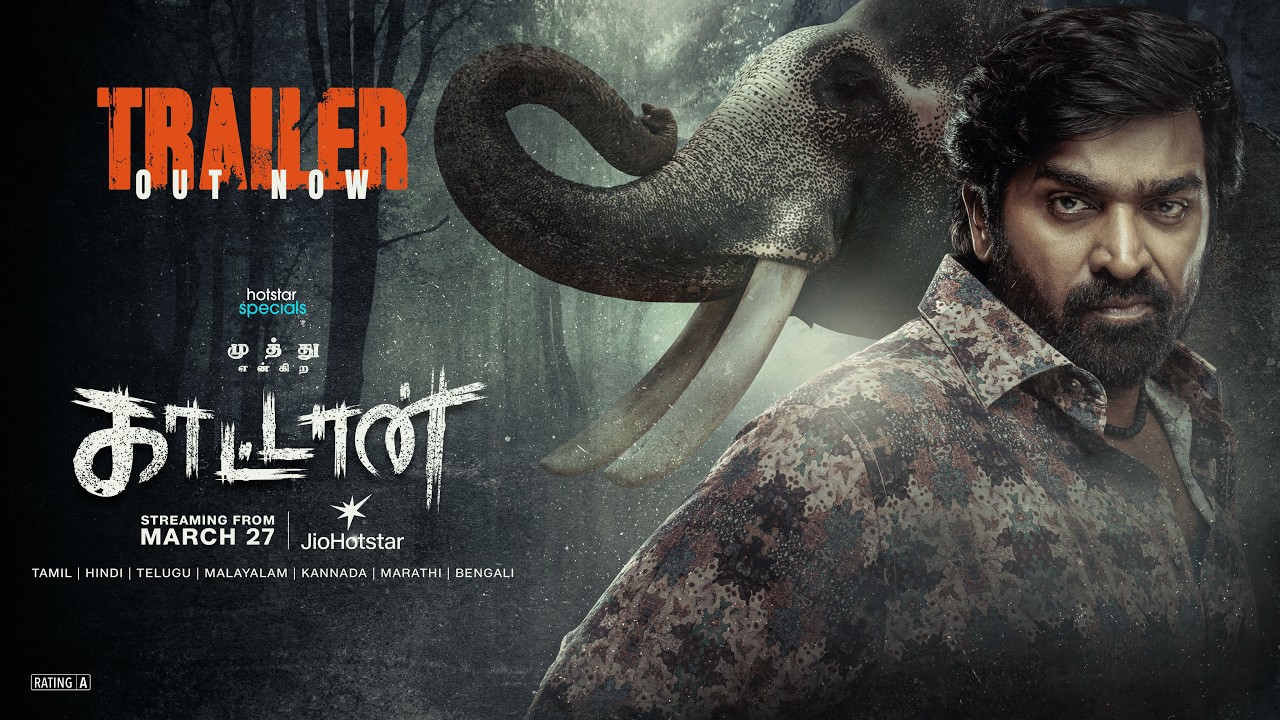
- Kaattaan Ending Explained: The Real Reason Vijay Sethupathi's Ambiguous Finale Leaves Fans Spiraling (And Why Season 2 Is Unnecessary)
Everyone's debating whether Vijay Sethupathi's Muthu actually survived the bloodbath in Kaattaan, but you're all missing the actual sleight of hand the writers pulled with that final frame. The severed head isn't a cliffhanger waiting to be resolved; it's a calculated masterclass in myth-making designed to keep this series living rent-free in your head. What Actually Happened? A severed head belonging to Muthu (Vijay Sethupathi) turns up at a local police station on the brink of closure, triggering a Rashomon-style investigation into his life and supposed death. Through a series of conflicting flashbacks, we witness Muthu's rise from a misunderstood protector to a feared gangster, culminating in a brutal ambush orchestrated by rivals like Sivettan (Milind Soman). The finale pieces together the various theories from the cops and villagers but deliberately refuses to locate Muthu's body or confirm the exact circumstances of his demise. The Insider Take The writers used the severed head as a macabre MacGuffin. The math isn't mathing on the forensics because it's not supposed to—this is a narrative about legend-building, not a procedural crime doc. By wrapping a gritty rural power struggle in an almost supernatural aura, the creators gave the show massive sleeper hit energy. Refusing to tie up the narrative isn't lazy writing; it's a deliberate, weaponized ambiguity. They bypassed the standard trope of the fallen anti-hero to give us something far more enduring: a ghost story. Why This Matters for JioHotstar's Slate JioHotstar needed a prestige regional drama that sparks debate, and this is exactly how you execute it. If they had shown Muthu definitively dying, the show would fade from the discourse by Monday. If they confirmed his survival, it cheapens the stakes. This inconclusive punch serves as plot armor against critique—you can't poke holes in a story that intentionally leaves the puzzle unfinished. It sets a new benchmark for how OTT platforms can handle finite, high-impact storytelling without milking a franchise dry. What Fans Are Missing The relentless focus on the severed head is distracting viewers from the real monster: the shifting, unreliable narratives of the townspeople. Did you catch how the framing of the ambush scene changes depending on who is telling the story? The visual cues heavily imply that Muthu either faked his death to escape the cycle of violence or ascended to urban legend status. The lack of closure is the closure. The show is actively mocking the audience's need for a neat, cinematic ending. 📌 QUICK FACTS: Title: Kaattaan (Muthu Alias Kaattaan) Platform: JioHotstar Lead Cast: Vijay Sethupathi, Milind Soman Core Premise: A severed head sparks conflicting tales of a local legend's life and death. Franchise Status: Completed (No Season 2 required/announced) Fans Also Asked Q: Does Muthu die at the end of Kaattaan? A: The series deliberately leaves Muthu's ultimate fate unconfirmed, presenting only his severed head while his body remains unaccounted for. It's a classic ambiguous ending designed to cement his status as an immortal local legend rather than a mortal man. Q: Will there be a Kaattaan Season 2? A: As of now, there is no official announcement for a second season on JioHotstar. The narrative wraps up its thematic arc regarding myth versus reality perfectly, making a continuation unnecessary fan service. Q: Who plays Sivettan in Kaattaan? A: Milind Soman plays the rival Sivettan, a key figure in the betrayals against Muthu. His casting brings a sharp, calculated contrast to Vijay Sethupathi's grounded, raw energy. Q: What is the real meaning of the Kaattaan ending? A: The finale proves that the myth of a person is always stronger than the factual truth. By withholding the objective reality of the ambush, the creators force the audience to participate in the folklore, proving how easily stories warp reality.
- O'Romeo Ending Explained
Everyone is spiraling over the bloody Spain masquerade showdown in O'Romeo, but let's talk about the real gamble: robbing Shahid Kapoor of his dialogue for a potential sequel. Here is why Ustara’s brutal survival tactic isn't just poetic tragedy it's a calculated studio move to build an underworld cinematic universe. What Actually Happened? In the climax at Jalal's Spanish masquerade party, Afshan’s assassination attempt fails, but Ustara—voiceless after surviving a brutal train shootout—storms the arena with the help of Jalal's unstable wife, Rabia. Ustara critically wounds Jalal but hands the sword over to Afshan so she can strike the final, revenge-fueled blow for Billu's murder. The Insider Take Handing the final kill to Triptii Dimri’s character instead of the traditional male savior is an absolute cultural reset for Bollywood gangster epics. But let's be real: Ustara surviving a slit throat and a full-blown sword fight with maximum blood loss is textbook plot armor designed strictly to keep a bankable star alive for the IP. Why This Matters for the Box Office By keeping Inspector Khan (Nana Patekar) alive in the hospital and teasing Ustara's silent survival, Vishal Bhardwaj is laying down the infrastructure for a larger crime saga. If this sleeper hit energy carries over to its OTT release, we aren't just looking at a standalone Shakespearean tragedy; we are looking at a multi-film franchise anchored by a mute, razor-wielding protagonist. What Fans Are Missing Everyone is focused on the visceral sword fight, but the real Easter egg overload is in Rabia’s betrayal of her husband. Her assisting Ustara out of past gratitude doesn't just resolve the immediate plot—it leaves a massive power vacuum in Jalal's international syndicate, perfectly setting her up for a major villain era in part two. QUICK FACTS: Film: O'Romeo (2026) Director: Vishal Bhardwaj Climax Location: A high-stakes masquerade party in Spain. The Kill: Afshan (Triptii Dimri) delivers the fatal stab to Jalal (Avinash Tiwary). Hero's Fate: Ustara (Shahid Kapoor) survives the gang war but permanently loses his voice. Sequel Status: HIGH (Inspector Khan recovers; an underworld power vacuum is established). Fans Also Asked Q: Does Ustara die at the end of O'Romeo? A: Ustara survives the final showdown in Spain despite severe injuries, including a slashed vocal cord from an earlier train shootout. Keeping the leading man alive, albeit voiceless, is a strategic move to ensure his return if the studio greenlights a sequel. Q: Who kills Jalal in the O'Romeo climax? A: Afshan delivers the final fatal stab to Jalal, completing her vengeance. Letting the female lead execute the main antagonist is pure fan service that brilliantly subverts the tired trope of the male hero saving the day. Q: What happens to Rabia in O'Romeo? A: Jalal's wife, Rabia, turns against him during the climax to help Ustara infiltrate the arena. Her betrayal not only tips the scales but quietly positions her to take over the fractured syndicate. Q: Will there be an O'Romeo 2? A: The ending deliberately leaves Inspector Khan recovering and the lovers facing lingering threats, strongly teasing a continuation. The math isn't mathing on wrapping up a franchise when you deliberately keep all the key players breathing.
- Mardaani 3 Ending Explained: Why the Medical Trial Twist is a Calculated Franchise Expansion
Everyone is praising Rani Mukerji's brutal climax in Mardaani 3, but let’s talk about the real gamble: pivoting from gritty, street-level serial killers to a high-stakes big pharma conspiracy. Here is why leaving the villain in a vegetative state wasn't just poetic justice—it was a strategic studio move to elevate Shivani Shivaji Roy from a local cop into international franchise territory. What Actually Happened? Shivani Shivaji Roy discovers that the 90+ missing girls aren't just victims of a standard trafficking ring run by Amma; they are disposable guinea pigs for illegal cancer and HPV drug trials. The real mastermind is Ramanujan, who masqueraded as an NGO ally, forcing a suspended Shivani to go entirely off-the-books, track the network to Sri Lanka, and inject him with his own experimental virus, leaving him permanently paralyzed. The Insider Take The "helpful ally turns out to be the mastermind" trope is giving heavy 2010s thriller vibes, but turning the villain into a corrupt NGO worker is a sharp, calculated critique of the institutional savior complex. However, the suspension-and-rogue-cop arc is pure plot armor. Stripping Shivani of her badge is just a convenient screenwriting mechanic to justify a Colombo shooting schedule and bypass procedural police logic for an explosive third act. Why This Matters for the Franchise By moving the climax to an offshore medical facility and escalating the stakes to international corporate crimes, the studio is testing the waters. If this hits, Shivani isn't just solving local Mumbai or Kota cases anymore; she’s ready for cross-over IP potential. Leaving Ramanujan alive but vegetative instead of simply putting a bullet in him is a bold choice that pushes the character into a much darker, anti-hero villain era, which audiences are currently eating up at the box office. What Fans Are Missing Everyone is focusing on the sheer brutality of the syringe scene, but the real Easter egg is the very last sequence. Getting her suspension revoked and being handed a "Special Task Force" isn't just a feel-good wrap-up. That specific designation is laying the structural groundwork for a broader ensemble cast. They are quietly building out a specialized team for Mardaani 4 so the franchise doesn't have to rely entirely on Mukerji carrying the physical action sequences alone in the future. 📌 QUICK FACTS: Core Crime: Illegal cancer/HPV drug trials on 90+ kidnapped girls. The Mastermind: Ramanujan (using an NGO worker front). The Enforcer: Amma (beggar mafia head, killed in a police encounter). Climax Location: Offshore medical facility in Colombo, Sri Lanka. Villain's Fate: Ramanujan is injected with his own experimental drug, left paralyzed and vegetative. Final Outcome: Shivani is reinstated, awarded the President’s Medal, and given command of a Special Task Force. Fans Also Asked Q: Who is the real villain in Mardaani 3? A: Ramanujan, who poses as a helpful NGO worker, is revealed as the mastermind behind the medical trials, using Amma as his street-level front. It’s a classic bait-and-switch that relies entirely on the audience blindly trusting the cinematic "savior" trope. Q: What happens to Ramanujan at the end of Mardaani 3? A: Shivani injects him with his own experimental cancer drug, leaving him in a permanently paralyzed, vegetative state. It’s a ruthless departure from the standard Bollywood "shoot-to-kill" climax, pushing Shivani into a deeply grey moral territory. Q: Why was Shivani Shivaji Roy suspended in Mardaani 3? A: She is suspended after a key witness dies by a suspicious "suicide" and she fails to provide hard evidence against Ramanujan's network. This forces her to go rogue, which frankly, is a standard studio trick to artificially raise the stakes going into Act 3. Q: What is the medical trial twist in Mardaani 3? A: The missing girls are being used as disposable guinea pigs for an illegal HPV/cancer drug experiment. This twist elevates the franchise's social commentary from street-level trafficking to institutional, class-based exploitation, aiming for prestige-thriller status.
- Happy Raj Ending Explained: Why That 'Feel-Good' Climax Was a Calculated Box Office Move
The timeline is flooded with tears over the emotional climax of Happy Raj , but let's cut through the sentimentality and look at the actual mechanics of that ending. The filmmakers didn't just write a heartwarming resolution; they engineered a fail-safe third act to guarantee sleeper hit energy among family audiences. What Actually Happened? In the final act, the escalating ego clash between the fiercely miserly Kathamuthu (George Maryan) and the wealthy NRI Rajiv (Abbas) reaches its boiling point. Kathamuthu abruptly abandons his lifelong frugality, sacrificing his hard-earned savings to secure Anandh Raj’s (GV Prakash) happiness, which consequently forces Rajiv to drop his elitist facade, realize the value of family over capital, and bless the marriage. The Insider Take The sudden pivot from a biting, status-driven comedy to heavy melodrama gave me minor whiplash. Kathamuthu's character arc practically speed-runs its resolution in the last twenty minutes, sacrificing narrative pacing for an emotionally manipulative payoff. The math isn't mathing on his instantaneous personality transplant, but it serves the primary objective: making the audience cry on cue and masking a slightly thin second act. Why This Matters for the Box Office This is textbook plot armor for a mid-budget family drama. By pivoting hard to a tear-jerking reconciliation, the director ensures the film avoids being labeled as just a niche satirical comedy, securing the lucrative, multi-generational audience demographic. If it works, this film has massive sleeper hit energy; if the core audience sniffs out the emotional manipulation, it risks plummeting in week two. What Fans Are Missing Everyone is hyper-focused on GV Prakash's grounded performance as the ridiculed "Kuthirai Mutta," but the real play here is the strategic deployment of Abbas. Casting the ultimate 90s heartthrob as a rigid, wealthy patriarch isn't just fan service—it's calculated nostalgia bait. It pulls in older millennials who wouldn't otherwise care about a standard Bangalore IT romance, giving the film a much-needed secondary hook. QUICK FACTS: Film Title: Happy Raj Lead Cast: GV Prakash, Sri Gouri Priya, George Maryan, Abbas Core Conflict: Class warfare and ego clashes disguised as a romantic comedy. Resolution Type: High-melodrama family reconciliation. Box Office Strategy: Nostalgia bait casting and a sentiment-heavy third act to ensure tier-2 city longevity. Fans Also Asked Q: How does the movie Happy Raj end? A: Happy Raj ends with Kathamuthu spending his life savings for his son and Rajiv finally accepting the marriage, peacefully uniting both families. It is a predictable but highly effective emotional climax designed to leave the theater on a high note. Q: Who plays the fathers in Happy Raj? A: Veteran actor George Maryan plays the frugal Kathamuthu, while 90s star Abbas makes a return as the wealthy NRI Rajiv. The entire second half of the movie relies entirely on the friction and chemistry between these two actors. Q: Is Happy Raj a hit or a flop? A: The box office verdict for Happy Raj hinges entirely on family audience turnout during the opening weekend. Its deliberate shift from comedy to heavy sentiment in the third act is a classic studio strategy to ensure long-term theatrical legs. Q: What is the main story of Happy Raj? A: The plot follows Anandh Raj (GV Prakash) navigating his IT career in Bangalore while managing the extreme ego clash between his thrifty father and his girlfriend's wealthy dad. It is essentially a status-driven comedy wrapped in a conventional romance.